 Photo: Lhardy
Best Historic Restaurants in Madrid
Introduction
The Madrid historic restaurants List We Send to Friends
Madrid has an official club for this: the Asociación de Restaurantes y Tabernas Centenarios de Madrid, and a separate Comercios Centenarios register kept by the Ayuntamiento, both for businesses that have run for a hundred years or more. Botín, on Calle de Cuchilleros, is the extreme case: Guinness World Records lists it as the oldest restaurant in the world, open since 1725, its cochinillo still coming out of the original firewood oven. This list runs from there through taberna centenarias serving the same bacalao and callos they started with, a literary café that hosted the Generation of '27, and a couple of grand dining rooms, Lhardy and Zalacaín, that built their own chapters of Madrid's restaurant history without quite reaching the century mark.
The short answer
Key Picks at a Glance
In a hurry? These are the essential picks from our full ranking below.
- Best overallBotín
Guinness World Records lists it as the oldest restaurant in the world, open since 1725, still roasting cochinillo in its original firewood oven.
- Best taberna centenariaCasa Labra
Bacalao and soldaditos de pavia since 1860, in the taberna where Spain's Socialist Party was founded in 1879.
- Best grand dining roomLhardy
Madrid haute cuisine and cocido madrileño since 1839, a member of the Asociación de Restaurantes y Tabernas Centenarios.
- Best literary caféCafé Comercial
A fixture for Madrid's writers, Antonio Machado among them, since 1887.
- Best neighbourhood tabernaBodega La Ardosa
Its own-recipe vermut has poured from a dedicated tap since 1892.
- Best modern-classic, not yet a centenarianCasa Lucio
Huevos rotos since 1974, in a La Latina building that's held a tavern since 1720.
Before you order
A Guide to historic restaurants in Madrid
What does 'restaurante centenario' mean in Madrid?
It's a business, restaurant or taberna, that has operated for at least a hundred years, often under the same family or the same address. Madrid formalises the idea two ways: the Asociación de Restaurantes y Tabernas Centenarios de Madrid, a group of member businesses, and the Ayuntamiento de Madrid's separate Comercios Centenarios register, which the Comunidad de Madrid also recognises with an Establecimiento Centenario distinction.
What is a casa de comidas?
A casa de comidas is an old Madrid format: a plain, home-style eating house, often built around a set menu of stews, roasts and simple plates rather than an à la carte production. Several of Madrid's oldest surviving addresses started this way, serving travellers and workers rather than aiming for fine dining.
What is a taberna centenaria?
A taberna centenaria is a century-old tavern, usually a small bar-and-dining-room format built around a zinc or marble counter, wine and vermouth on tap, and a short menu of Madrid classics: callos, croquetas, bacalao, tortilla. Many still keep architectural details, tiled walls, carved counters, original signage, that the businesses themselves treat as part of the draw.
Why do so many of Madrid's old restaurants serve cochinillo and cocido?
Both are Castilian in origin: cochinillo asado (roast suckling pig) and cocido madrileño (a chickpea, meat and vegetable stew served in courses) were staples of the roadside inns and casas de comidas that fed travellers on the roads into Madrid. Several of the restaurants on this list trace directly back to that inn tradition.
How We Built This List
Years of Eating, Asking, and Going Back
We built this list by cross-referencing Madrid's own Asociación de Restaurantes y Tabernas Centenarios directory against Spanish press round-ups (Madrid Secreto, Mirador Madrid, Time Out Madrid's taberna coverage) and matching the venues those sources name against restaurants we've researched in depth. Every founding year here comes from a venue's own page or from a source we checked was quoting it verbatim, never estimated. Order runs on a mix of source consensus, historical weight and whether the kitchen is still genuinely worth the trip, not on age alone: some well-known centenarian names that keep coming up, Malacatín, Casa Ciriaco, Antonio Sánchez, La Bola, Casa Mingo, don't have a Guidavera page yet, and we've said so rather than guess at their current menu or hours.
More on how we rank: our methodology and quality standards.
At a glance
The 15 Best Historic Restaurants, Compared
Quick reference table. Click any name to jump to the full review.
| # | Restaurant | Neighbourhood | Price | Distinction | Signature dish |
|---|---|---|---|---|---|
| 1 | Botín | Palacio | €€€ | Repsol Recommended | Cochinillo asado |
| 2 | Lhardy | Sol | €€€ | Repsol Recommended | El Mítico Cocido de Lhardy |
| 3 | Casa Lucio | La Latina | €€€ | 1 Repsol Sol | Huevos estrellados |
| 4 | Zalacaín | El Viso | €€€€ | 1 Repsol Sol | Búcaro Don Pío |
| 5 | Casa Labra | Sol | € | Repsol Solete | Soldaditos de pavia |
| 6 | Casa Pedro | Valverde | €€ | Repsol Recommended | Roast suckling pig |
| 7 | Bodega La Ardosa | Universidad | € | — | Tortilla de patatas |
| 8 | Café Comercial | Malasaña | €€ | Repsol Solete | Cocido madrileño (Thursdays) |
| 9 | Casa Alberto | Barrio de las Letras | €€€ | Repsol Recommended | Callos a la madrileña |
| 10 | Los Galayos | Sol | €€ | Repsol Recommended | Cochinillo asado |
| 11 | Las Cuevas de Luis Candelas | Sol / Plaza Mayor | €€€ | — | Cochinillo asado |
| 12 | Viva Madrid | Barrio de las Letras | € | — | La Gilda del Viva |
| 13 | Casa Dani / Vinos 11 | Palacio | € | — | Jamón ibérico de bellota |
| 14 | El Anciano Rey de los Vinos | Palacio | €€ | — | Patatas bravas |
| 15 | La Tasca Suprema | Justicia | €€ | — | Croquetas de jamón ibérico |
The ranking
15 Best Historic Restaurants in Madrid
 Botín
Botín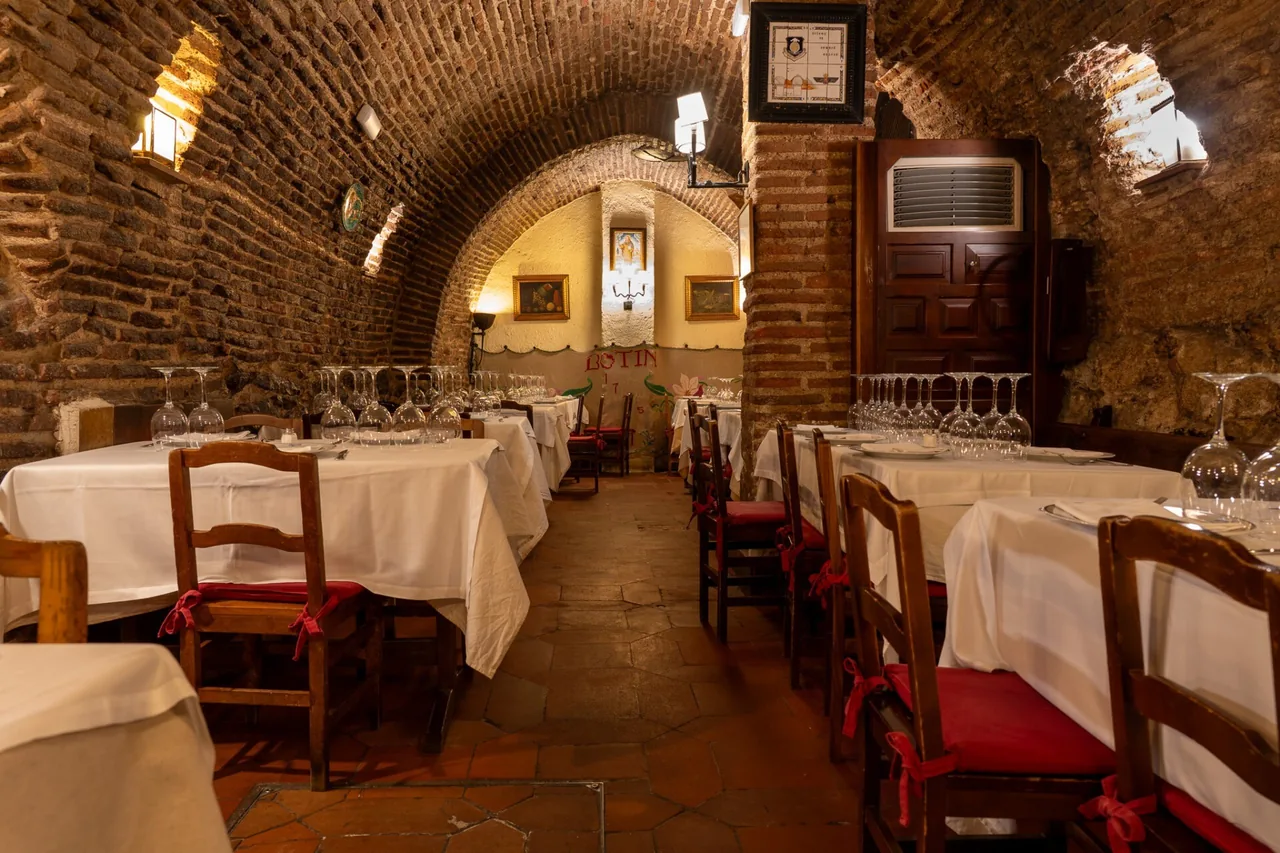
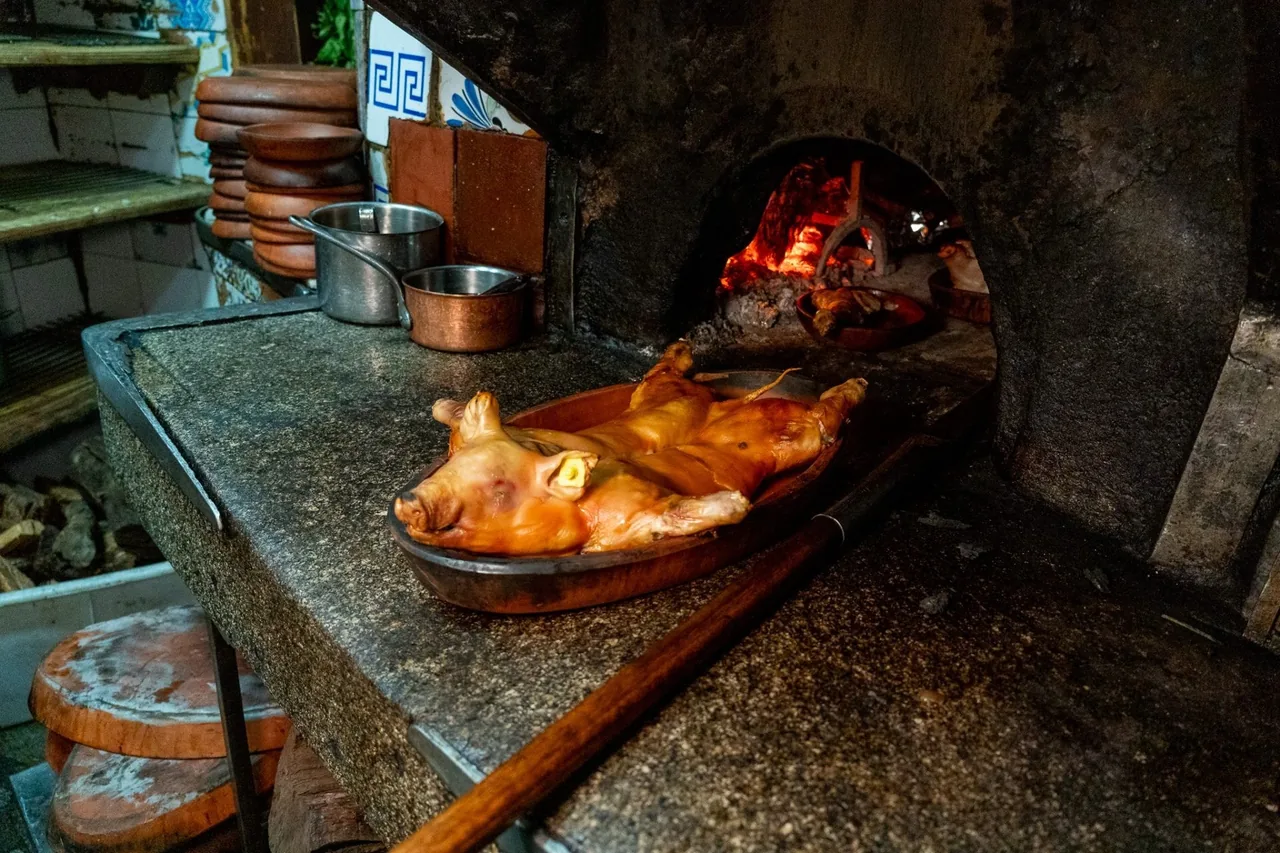
1. Botín — Guinness-listed world's oldest restaurant, roasting cochinillo since 1725
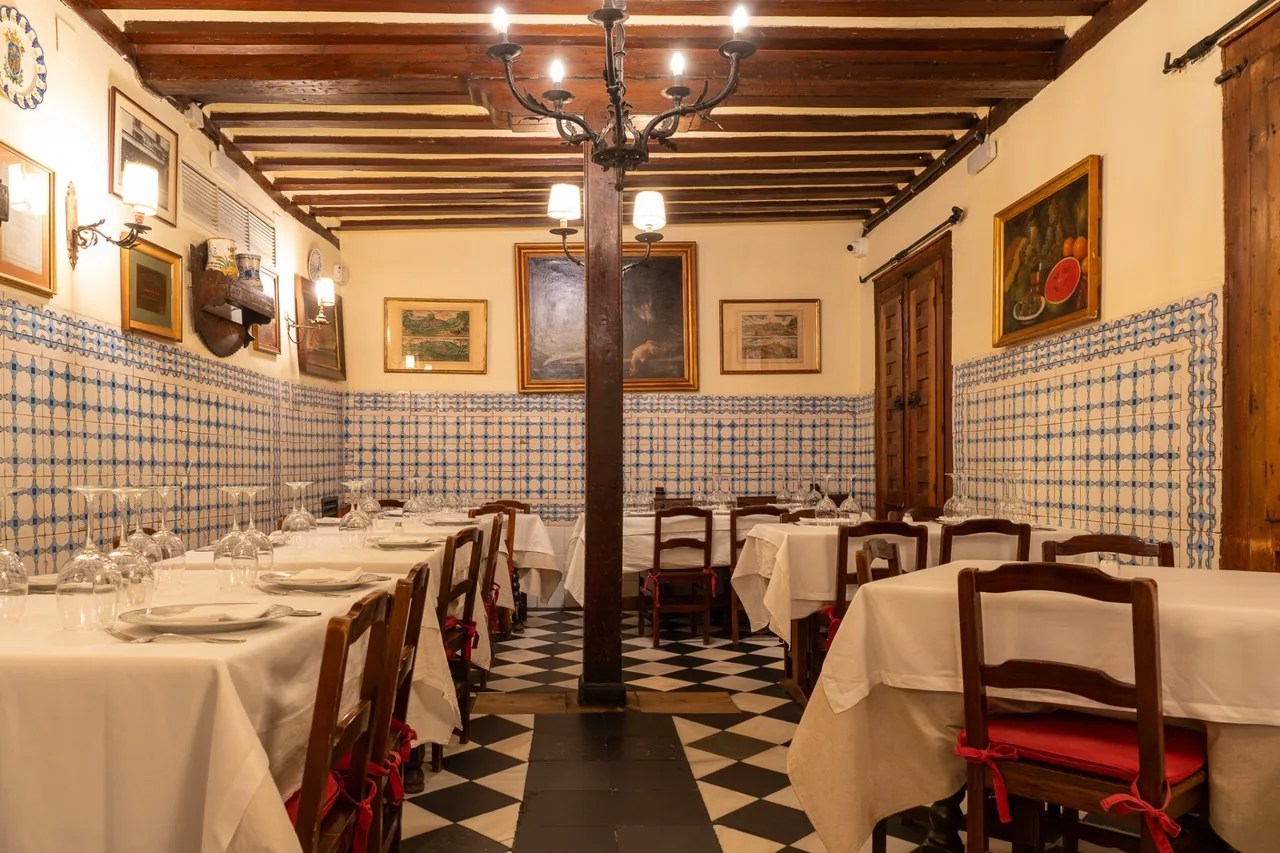
Guinness World Records lists Botín, on Calle de Cuchilleros near Plaza Mayor, as the oldest restaurant in the world, open since 1725. The building runs to four floors that keep their eighteenth-century interiors, and the cochinillo asado, roast suckling pig, still comes out of the original firewood oven at the building's heart. Guinness names Ernest Hemingway among its past visitors, alongside royalty, politicians and other public figures over three centuries. It's listed as Recomendado in the Guía Repsol, and the cochinillo runs €32.50 on the current carta. It's open every day from 13:00 to 23:30, and while the crowd is heavier with visitors than at some of the tabernas on this list, the oven and the roast are the real draw, not the reputation alone.
“El restaurante más antiguo del mundo, rey del Madrid de los Austrias”— Madrid Secreto
Lhardy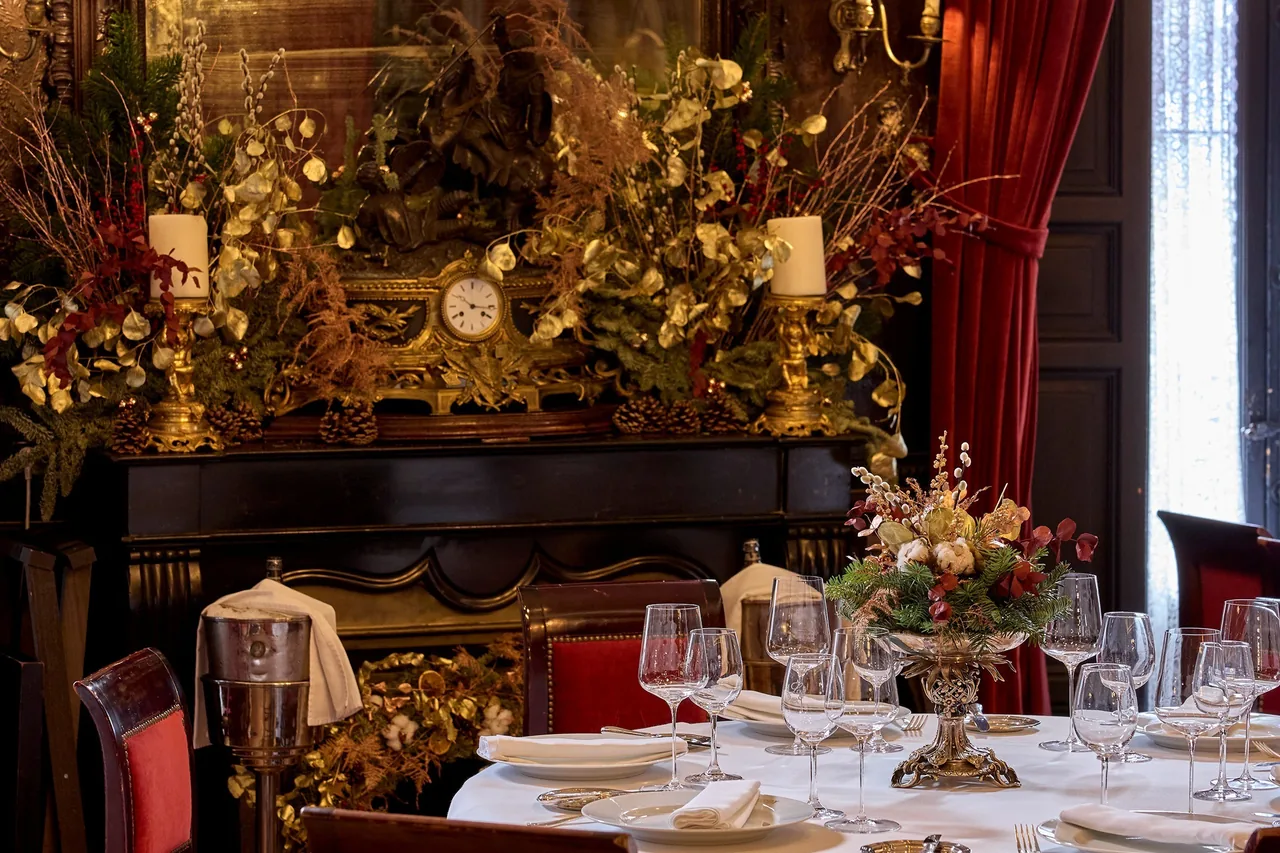
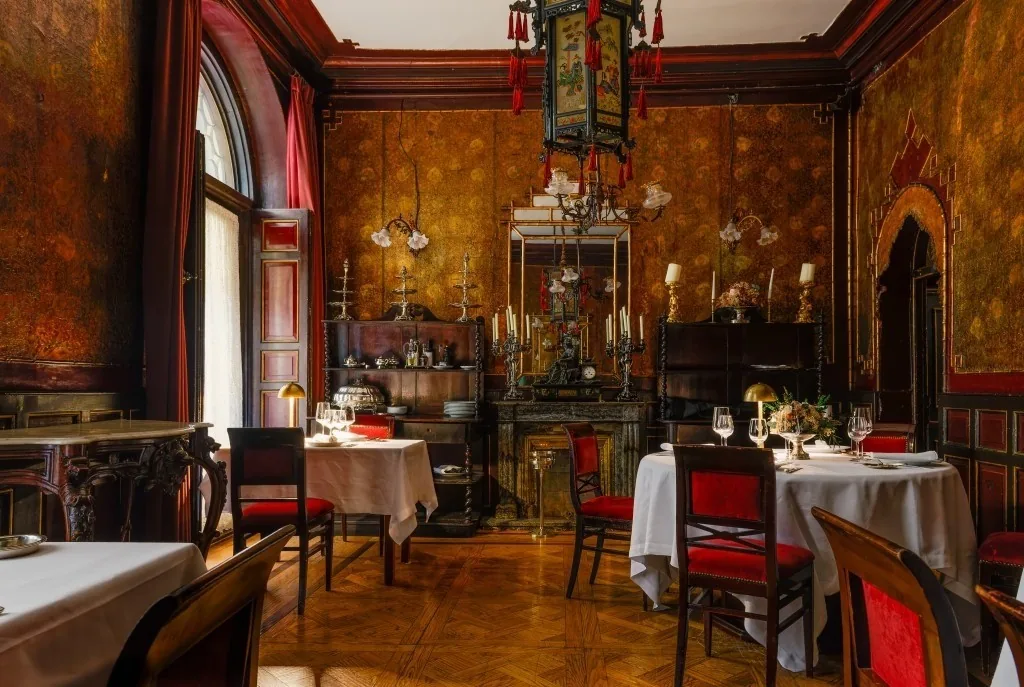
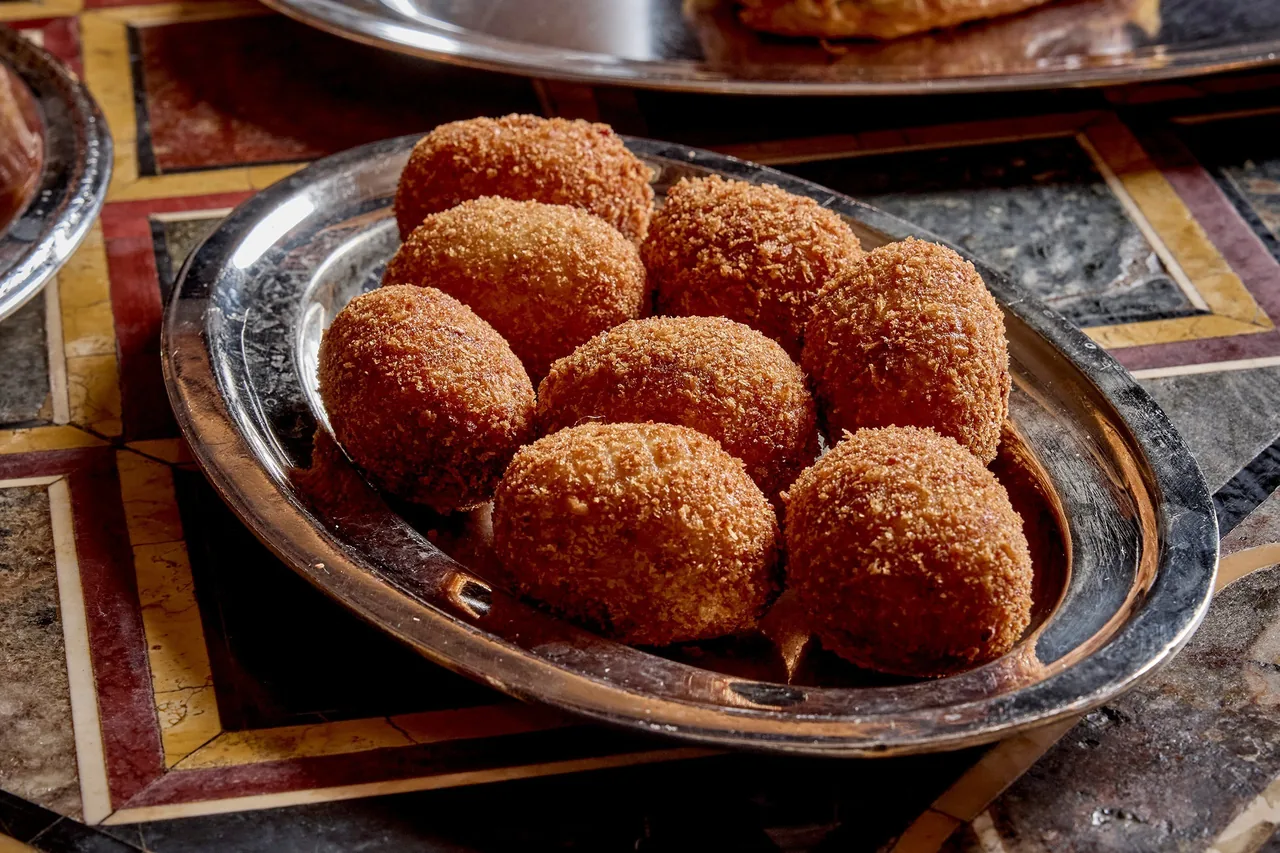
2. Lhardy — Cocido madrileño and 1839 haute cuisine near Puerta del Sol
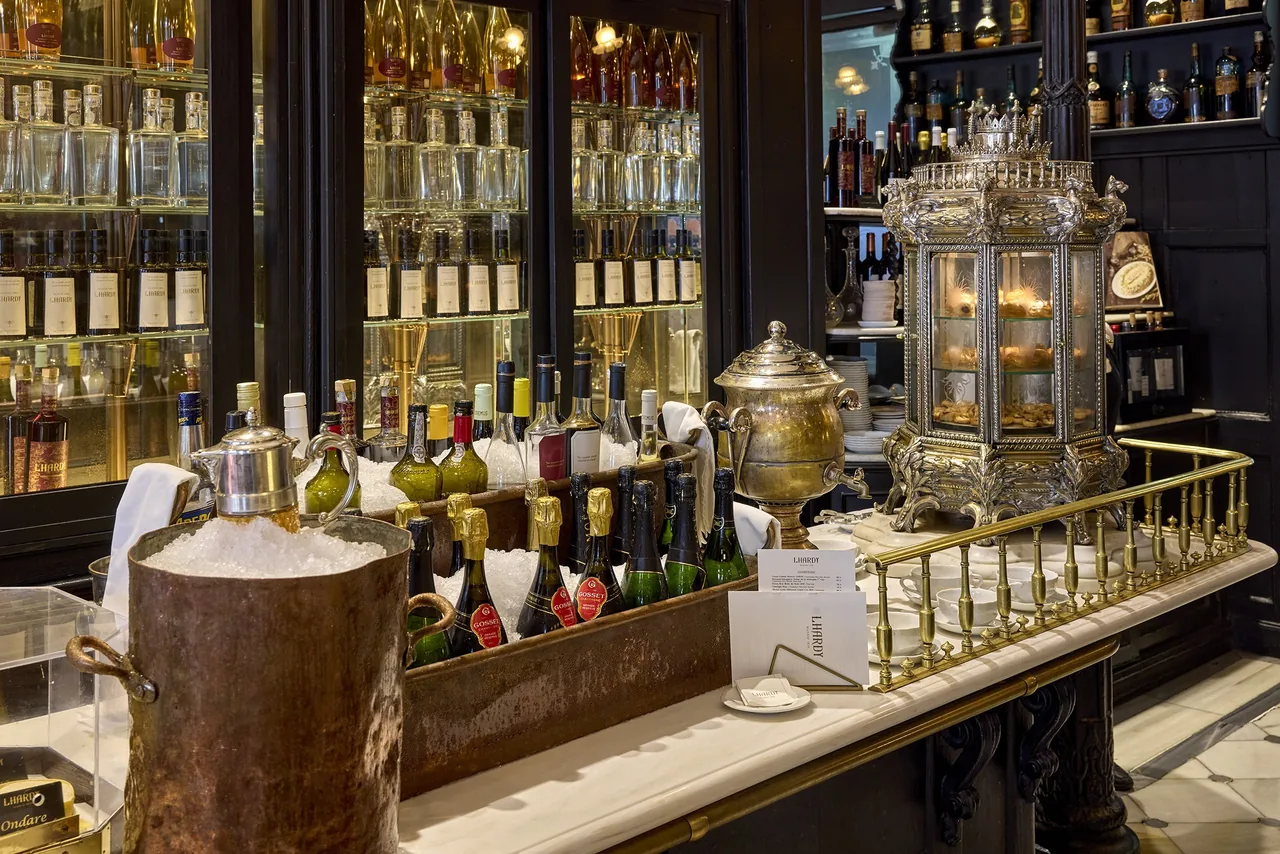
Lhardy opened in 1839, when the Frenchman Emilio Huguenin Lhardy founded it as a pastry shop before expanding into full meals on Carrera de San Jerónimo. It claims a few Madrid firsts, separate individual tables, silver cutlery and white tablecloths, none of them standard when it opened, plus the fixed-price menú del día concept Spanish restaurants still use. Cocido madrileño, served with a homemade tomato sauce on the side, is the house signature, priced at €68 as its own carta section, El Mítico Cocido de Lhardy. The mahogany facade dates from 1880, and Lhardy is a member of Madrid's Asociación de Restaurantes y Tabernas Centenarios, carrying a Recomendado listing in the Guía Repsol.
“No se puede concebir Madrid sin Lhardy”— Madrid Secreto, quoting the writer Azorín
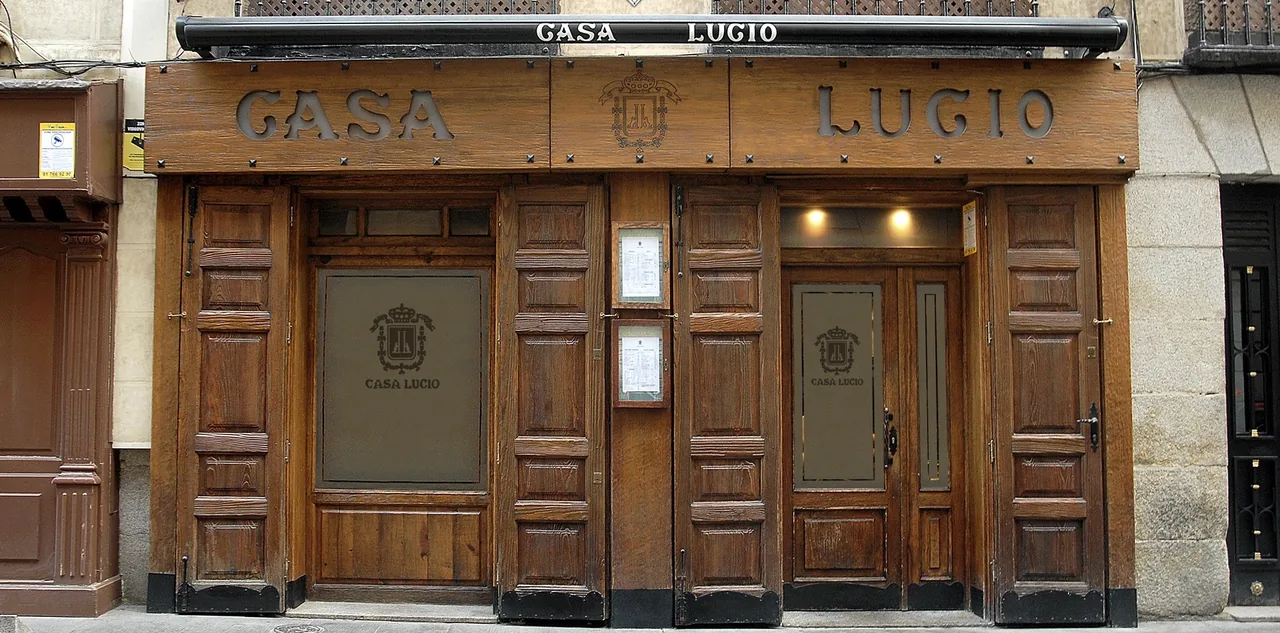 Casa Lucio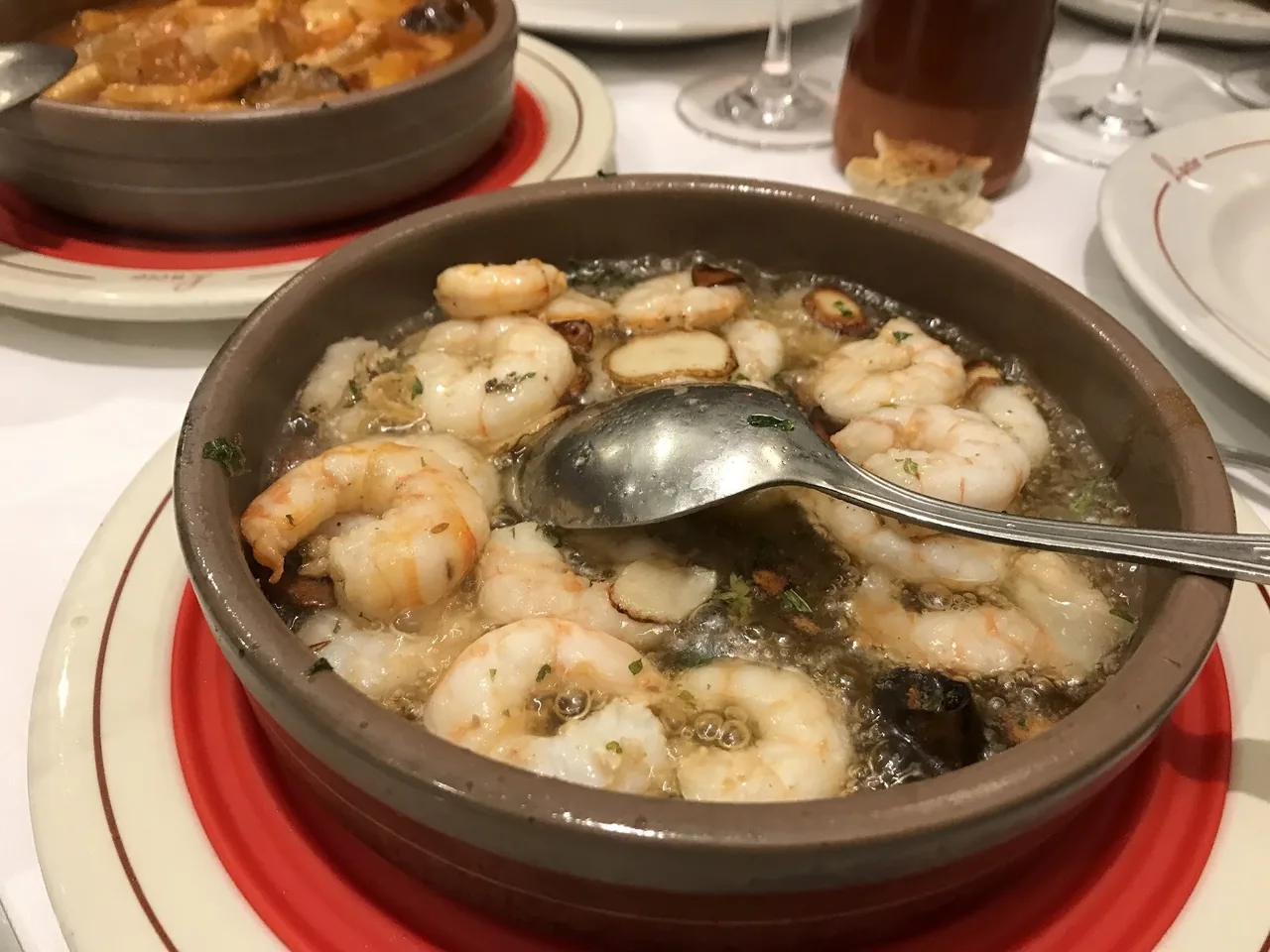
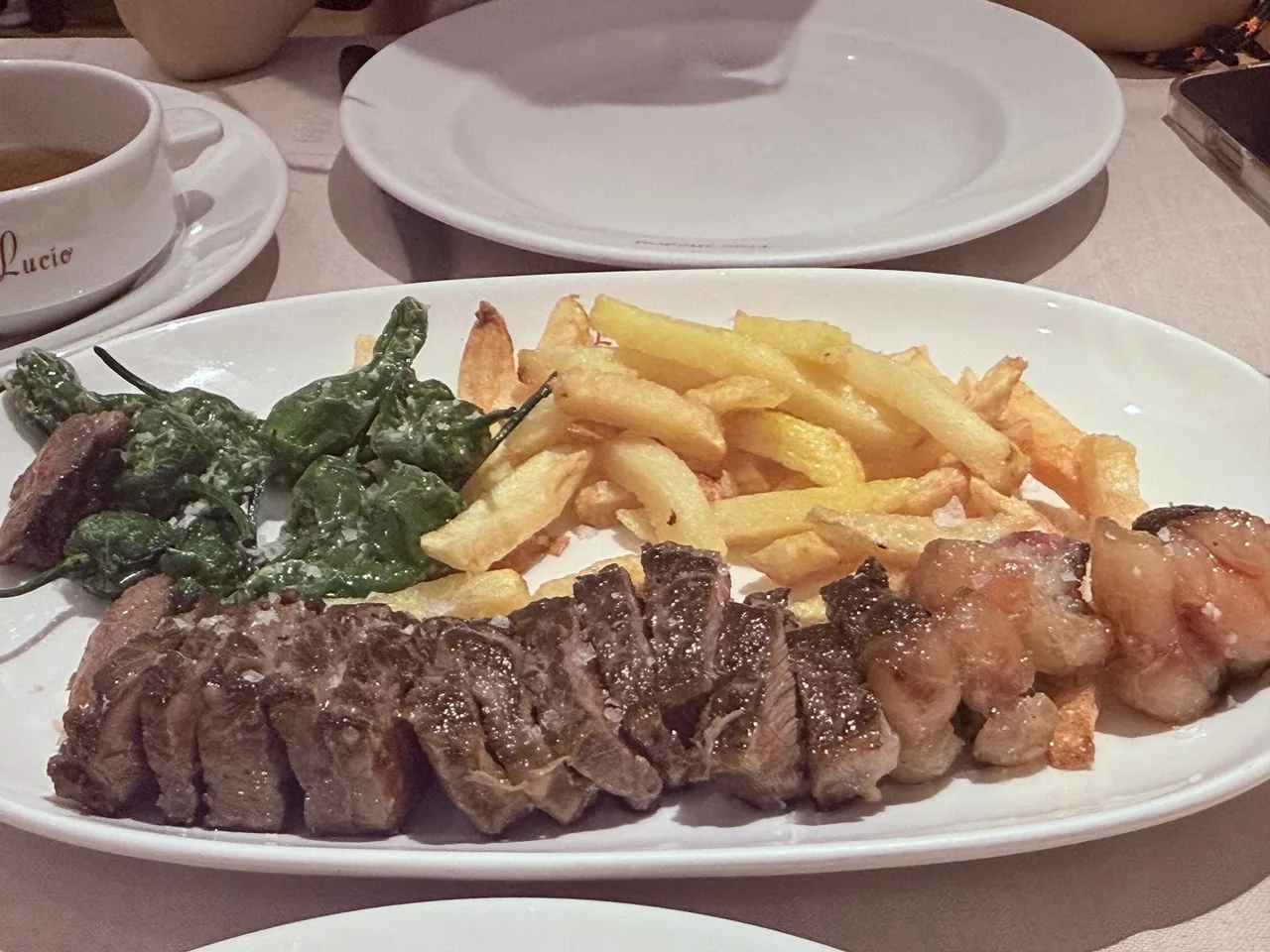
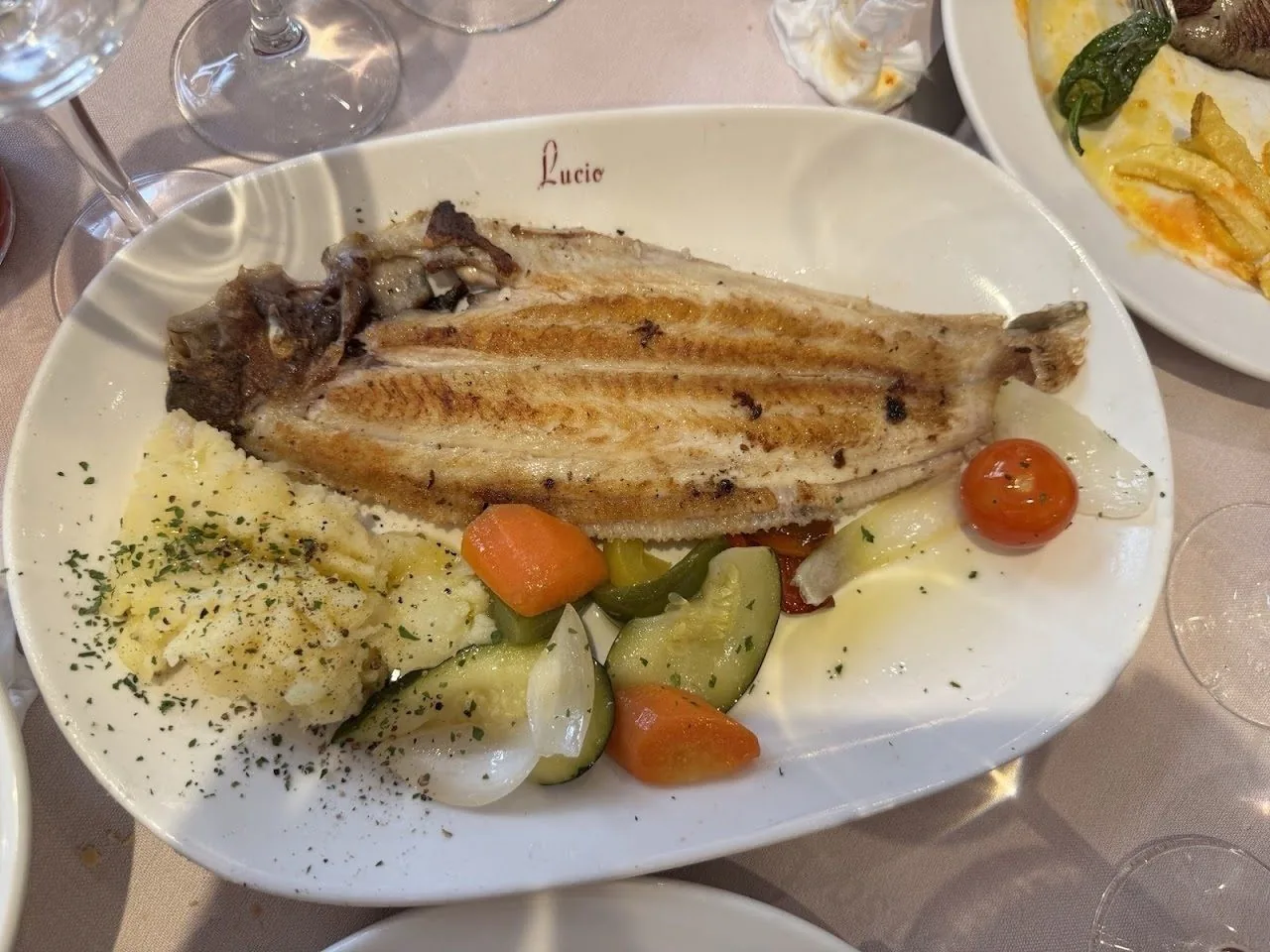
3. Casa Lucio — Huevos rotos legend on Cava Baja since 1974
 Repsol
Casa Lucio has run on Cava Baja in La Latina since Lucio Blázquez opened it in November 1974, in a building that's held a tavern since 1720, when it was the Posada de San Pedro. The huevos rotos, fried eggs broken over potatoes, are the house signature, priced at €16.50, alongside the Revuelto Lucio, eggs scrambled with wild mushrooms and shrimp, at the same price. Lucio still prefers to be called a tabernero, and his children María del Carmen, Fernando and Javier now run the kitchen alongside him. It holds a Repsol Sol. Booking is recommended and the room fills fast, tiled walls and wooden tables across two floors and a ground-level bar, closed Mondays, Sunday evenings and all of August.
 Zalacaín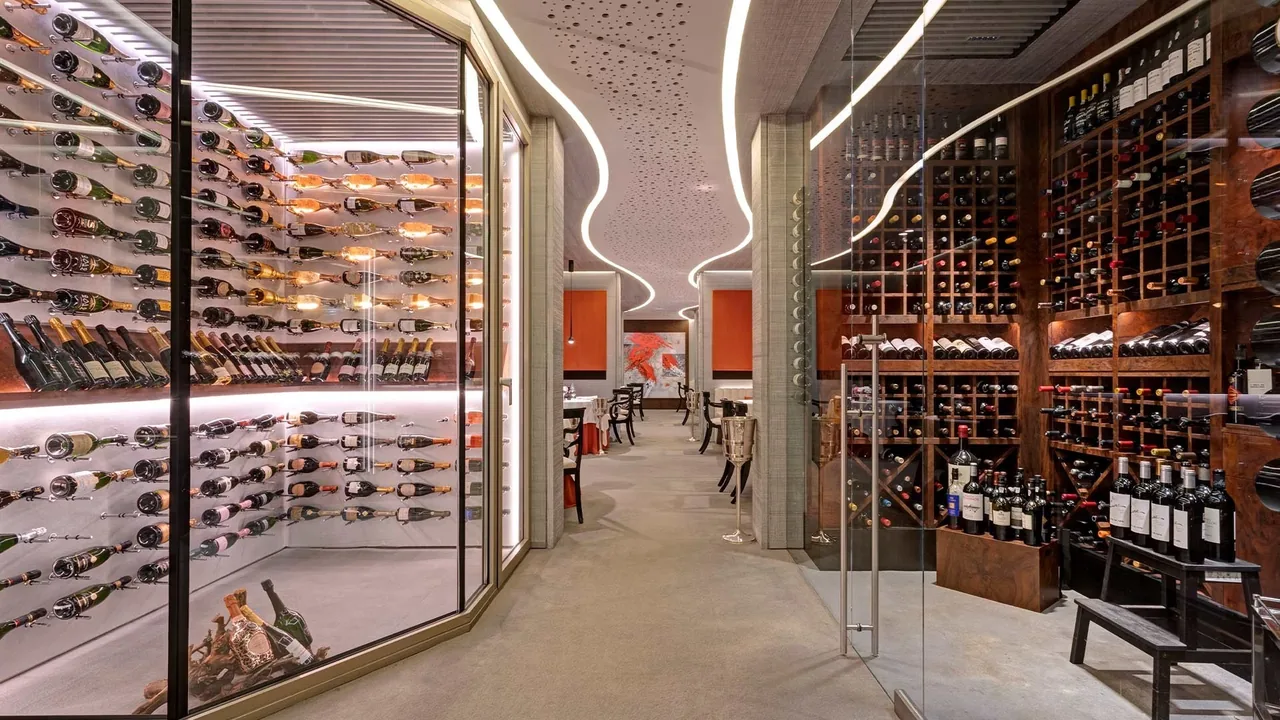
4. Zalacaín — Spain's first three-Michelin-star dining room, since 1973
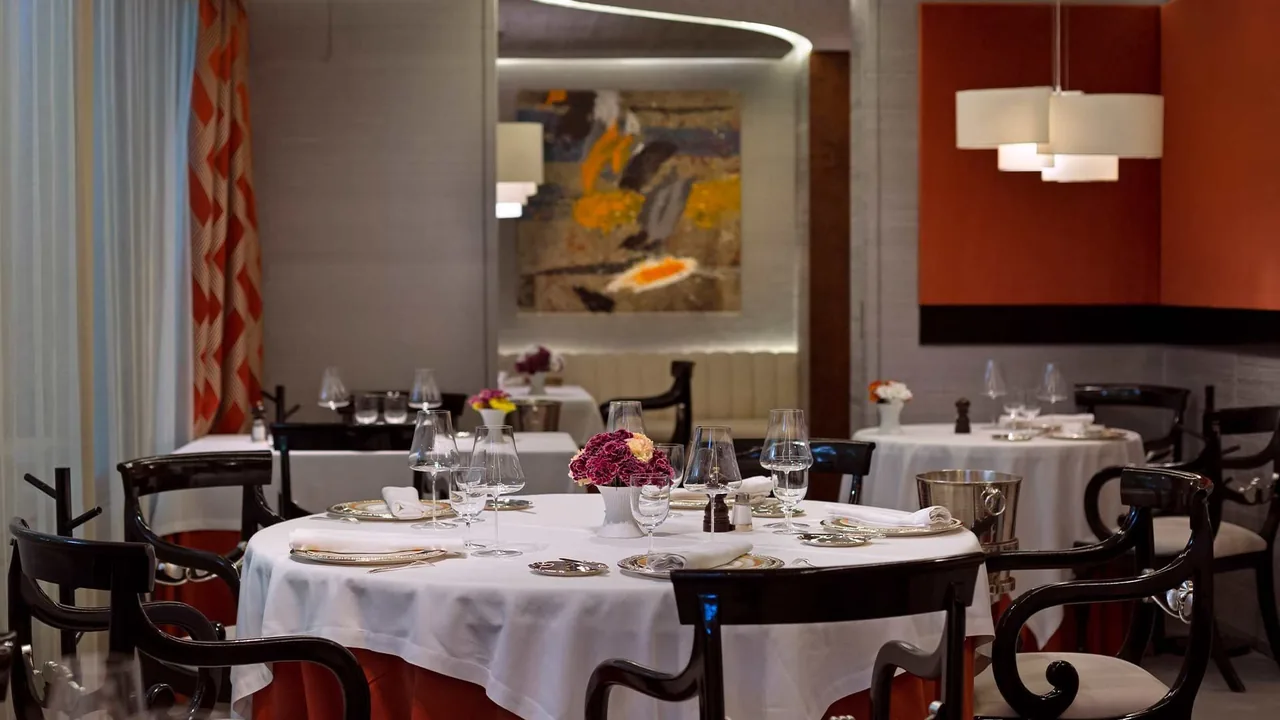
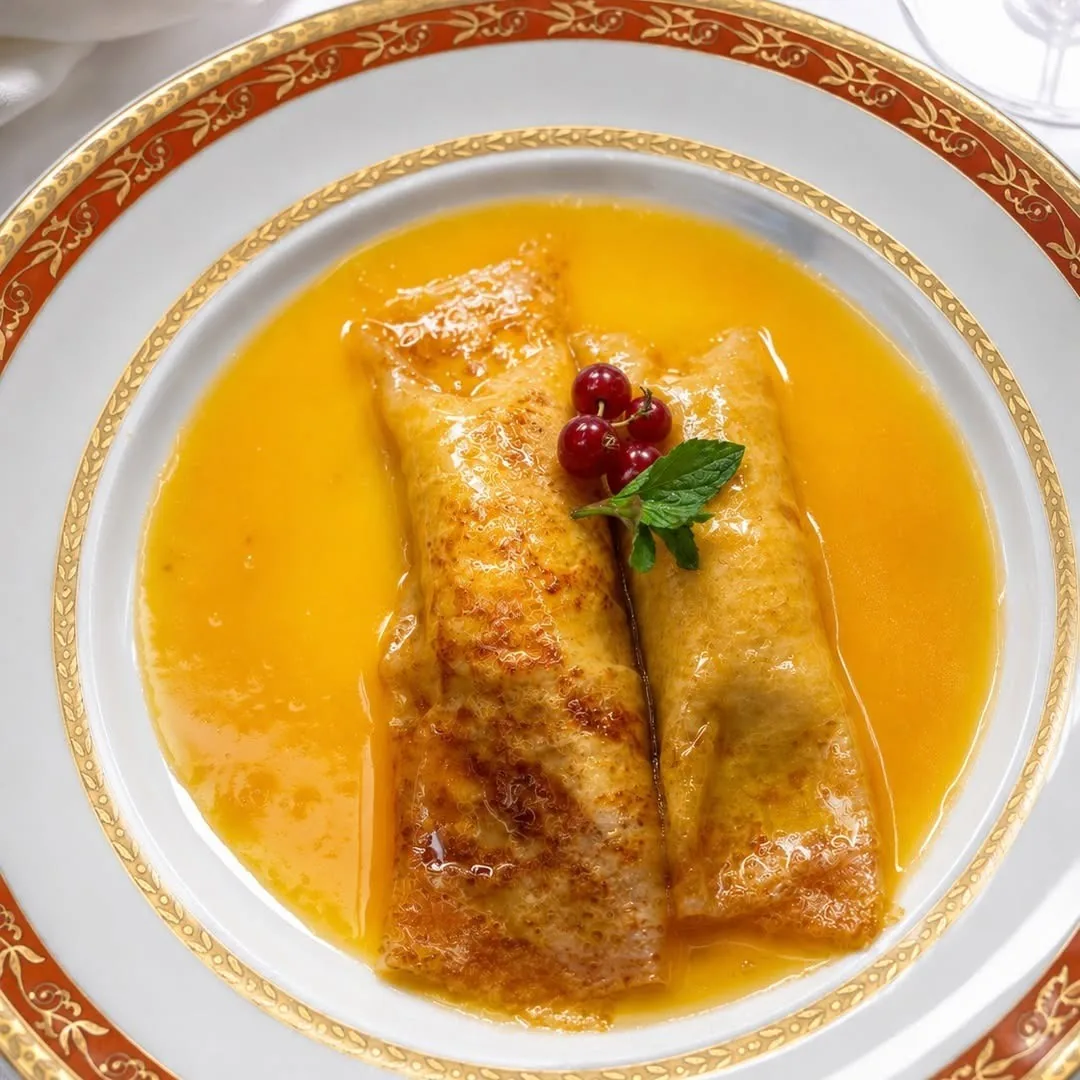
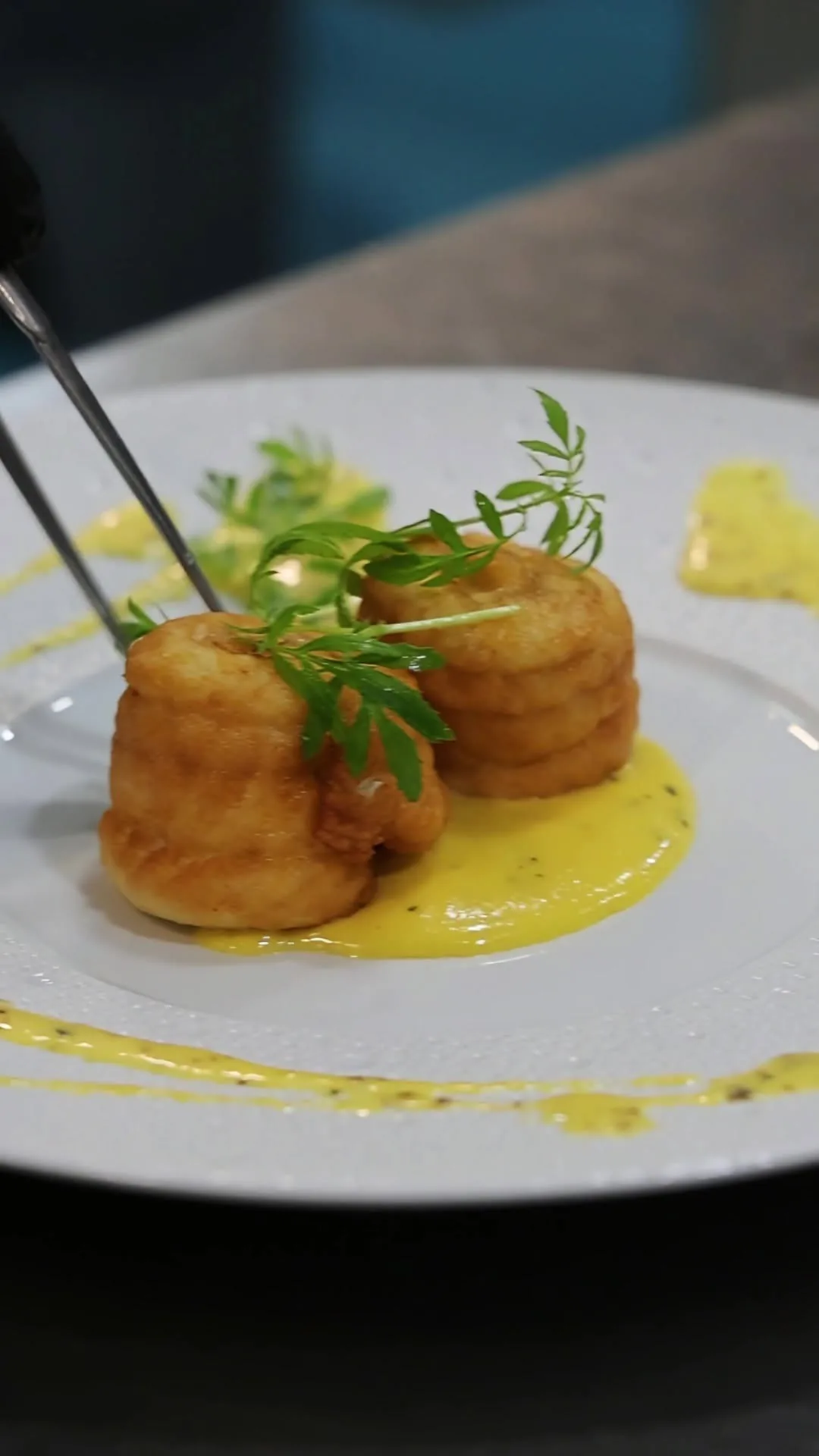
RepsolZalacaín opened in El Viso in 1973, and with Benjamín Urdiaín in the kitchen it became the first restaurant in Spain to earn three Michelin stars. Founder Jesús Oyarbide named it after Pío Baroja's novel Zalacaín el aventurero. It's now owned by Grupo Urrechu, with chef Íñigo Urrechu on gastronomic direction and Jorge Losa in the kitchen, while the dining room has stayed with Roberto Jiménez for more than 35 years. Two historic dishes remain on the carta: the Búcaro 'Don Pío,' a consommé gelée with smoked salmon, quail egg and caviar (€49), and bacalao Tellagorri, salt cod in the restaurant's own style (€39). It's recommended in the Michelin Guide, holds one Repsol Sol, and closes on Sundays and throughout August.
 Casa Labra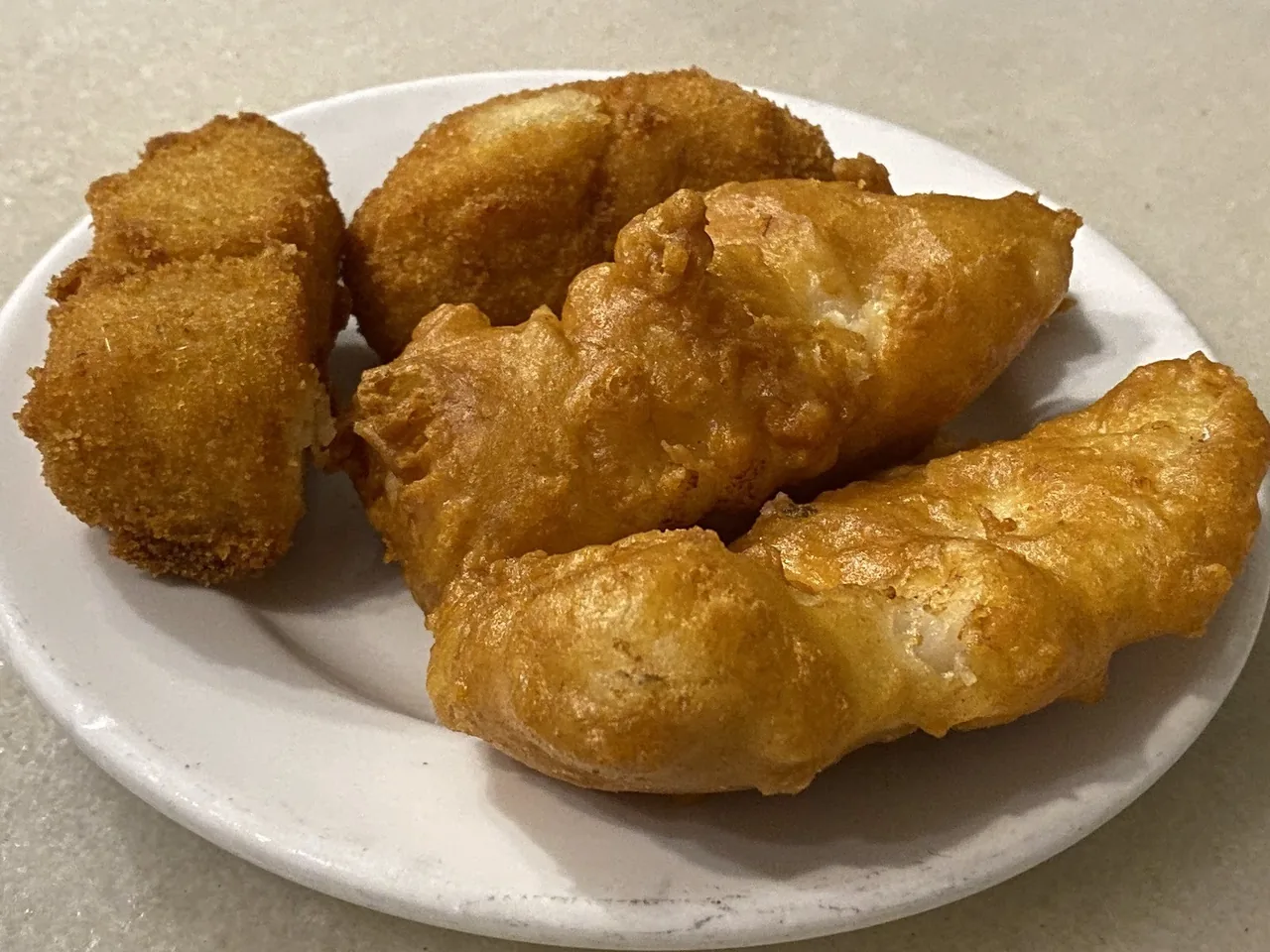
5. Casa Labra — Birthplace of Spain's Socialist Party, bacalao taberna since 1860
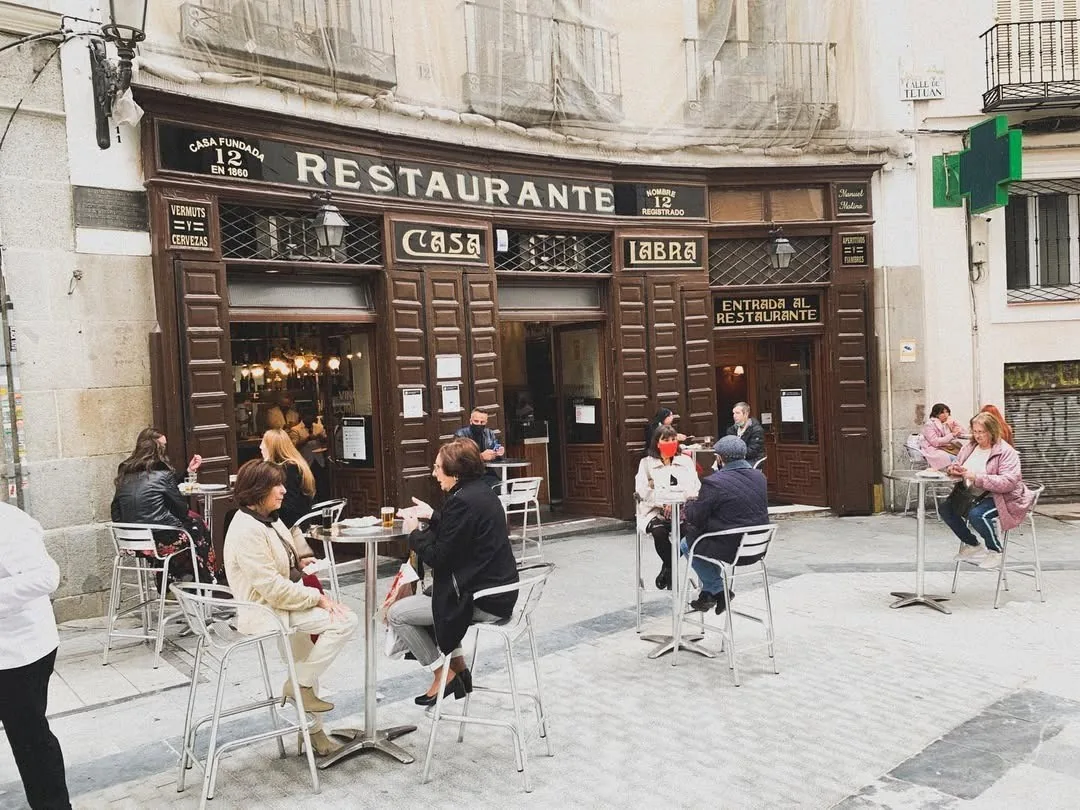
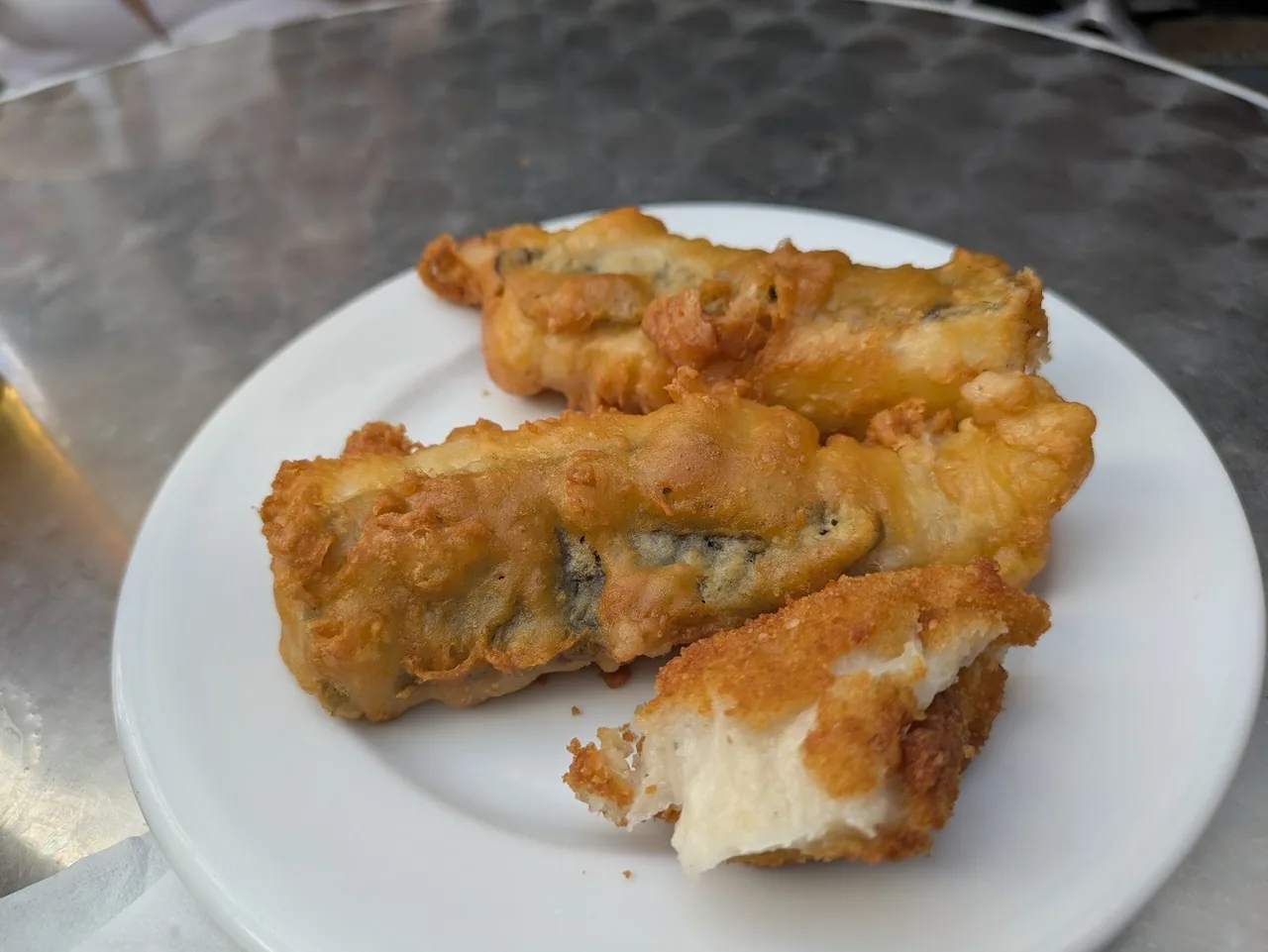
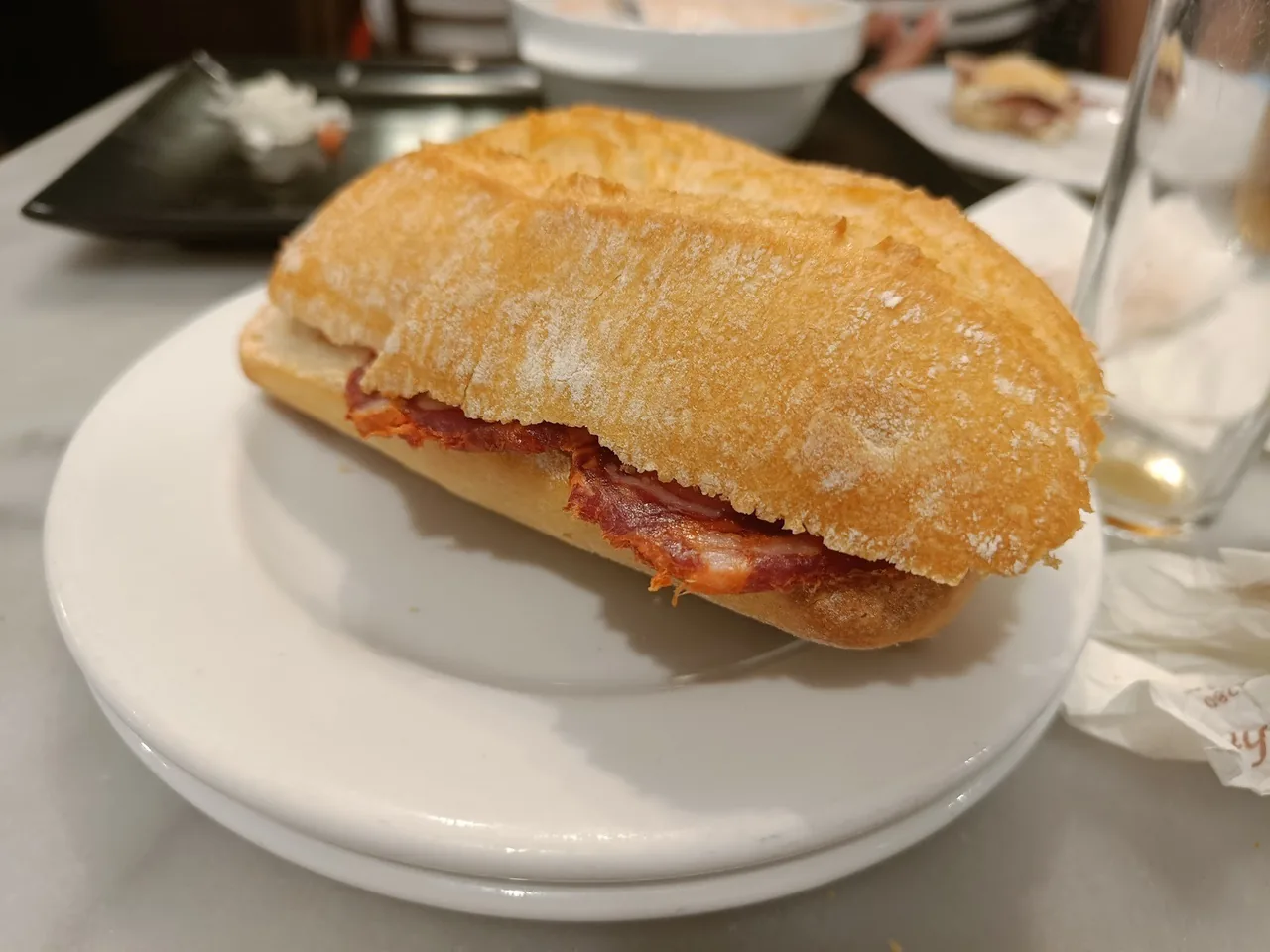
Casa Labra has run in Sol since 1860, built on bacalao, above all the soldaditos de pavia, battered and fried cod strips, it has served from the start. Spain's Socialist Party (PSOE) was founded within its walls in 1879, less than twenty years after it opened. It keeps a rare old-Madrid habit: separate counters for ordering food and drink. In 2023, the soldaditos de pavia won the Premio al Plato Castizo at the Madrid Gastronomy Awards, accepted by current owners Manuel and Álvaro Molina. It holds a Repsol Solete and runs around €25 or under per person. It's open daily, 11:30 to 15:30 and 18:30 to 23:30, walk-in only.
“Aquí el 2 de mayo de 1879 Pablo Iglesias fundó el Partido Socialista Obrero Español”— Madrid Secreto
 Casa Pedro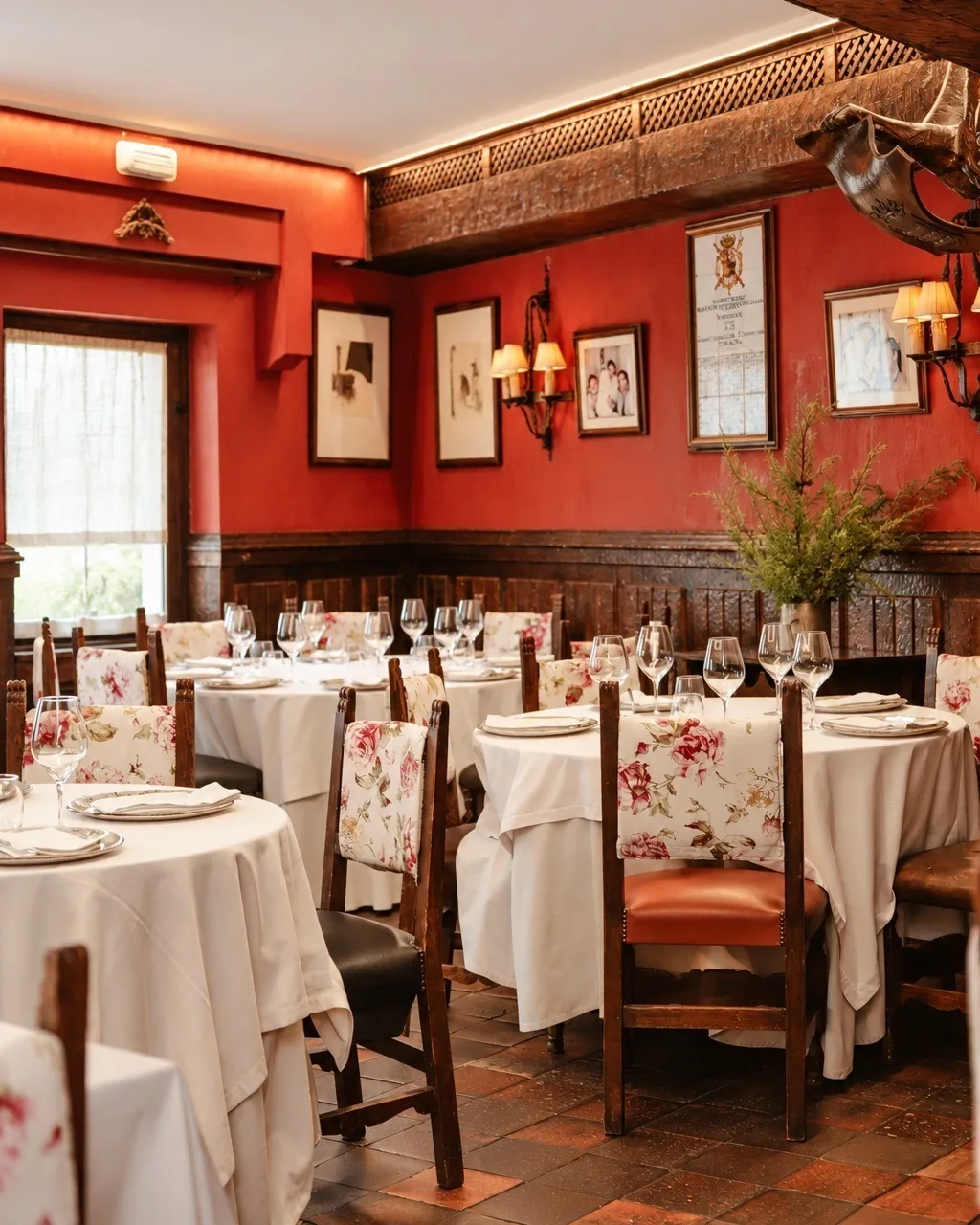
6. Casa Pedro — Family roast house on Madrid's edge, open since 1702
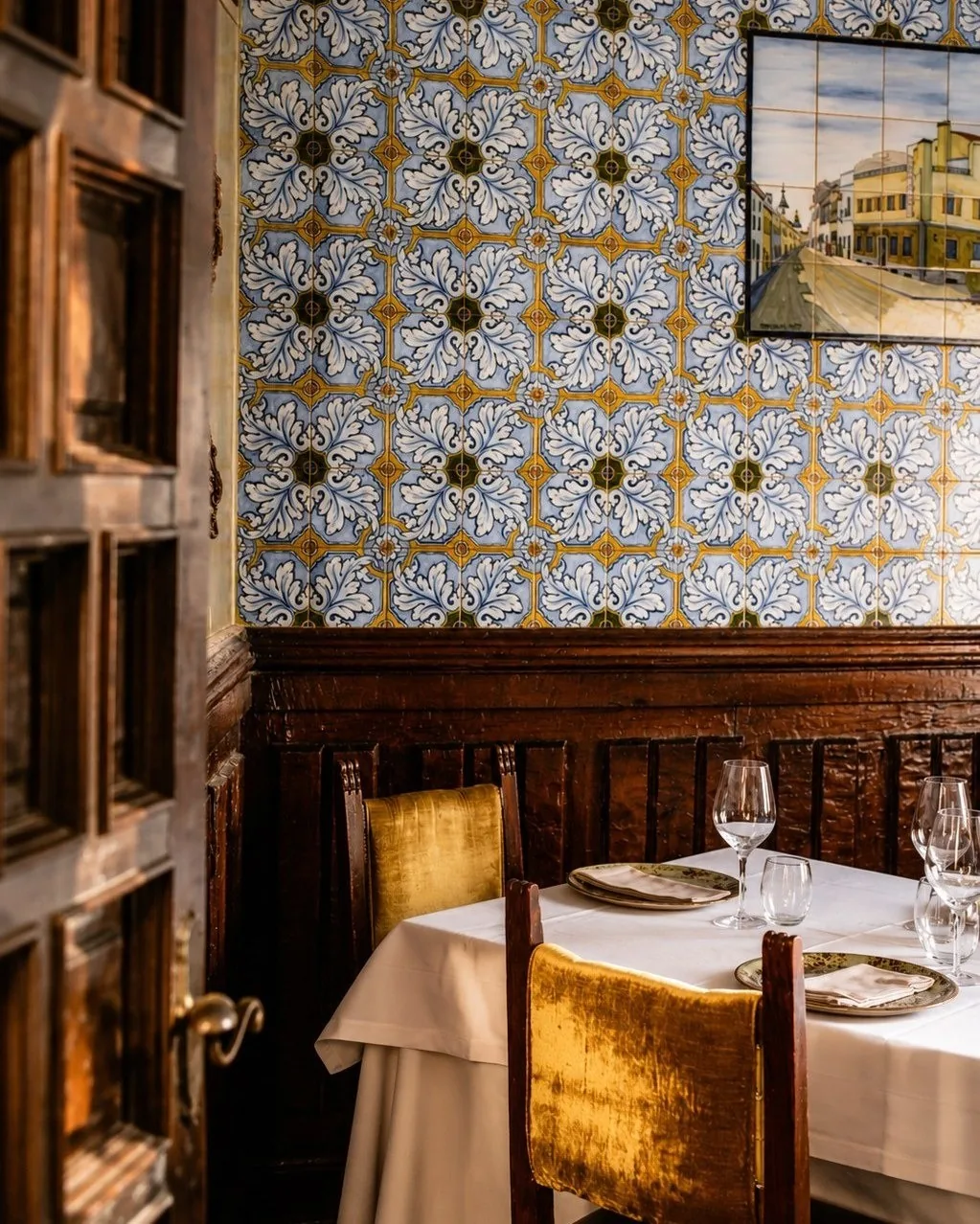
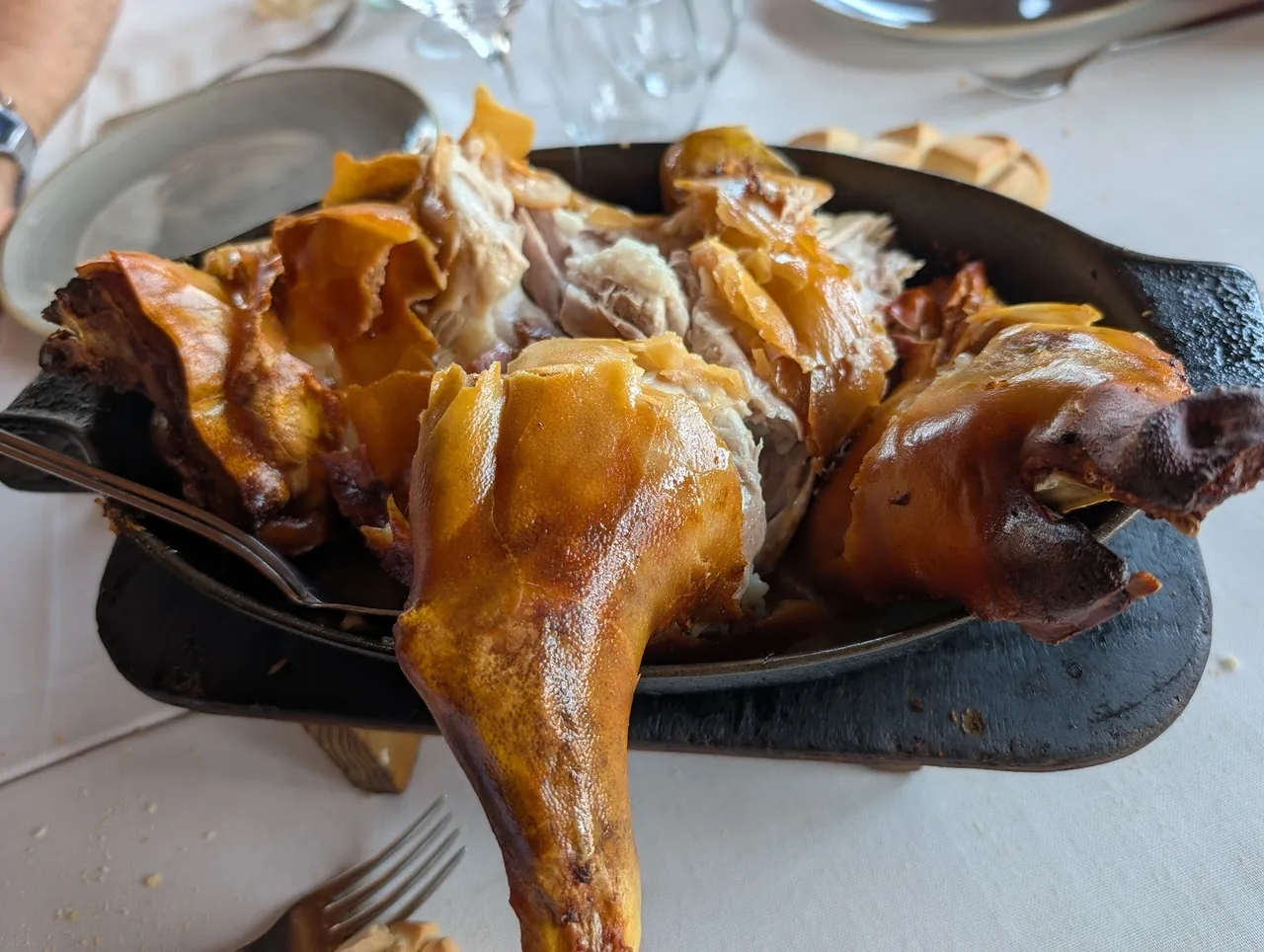
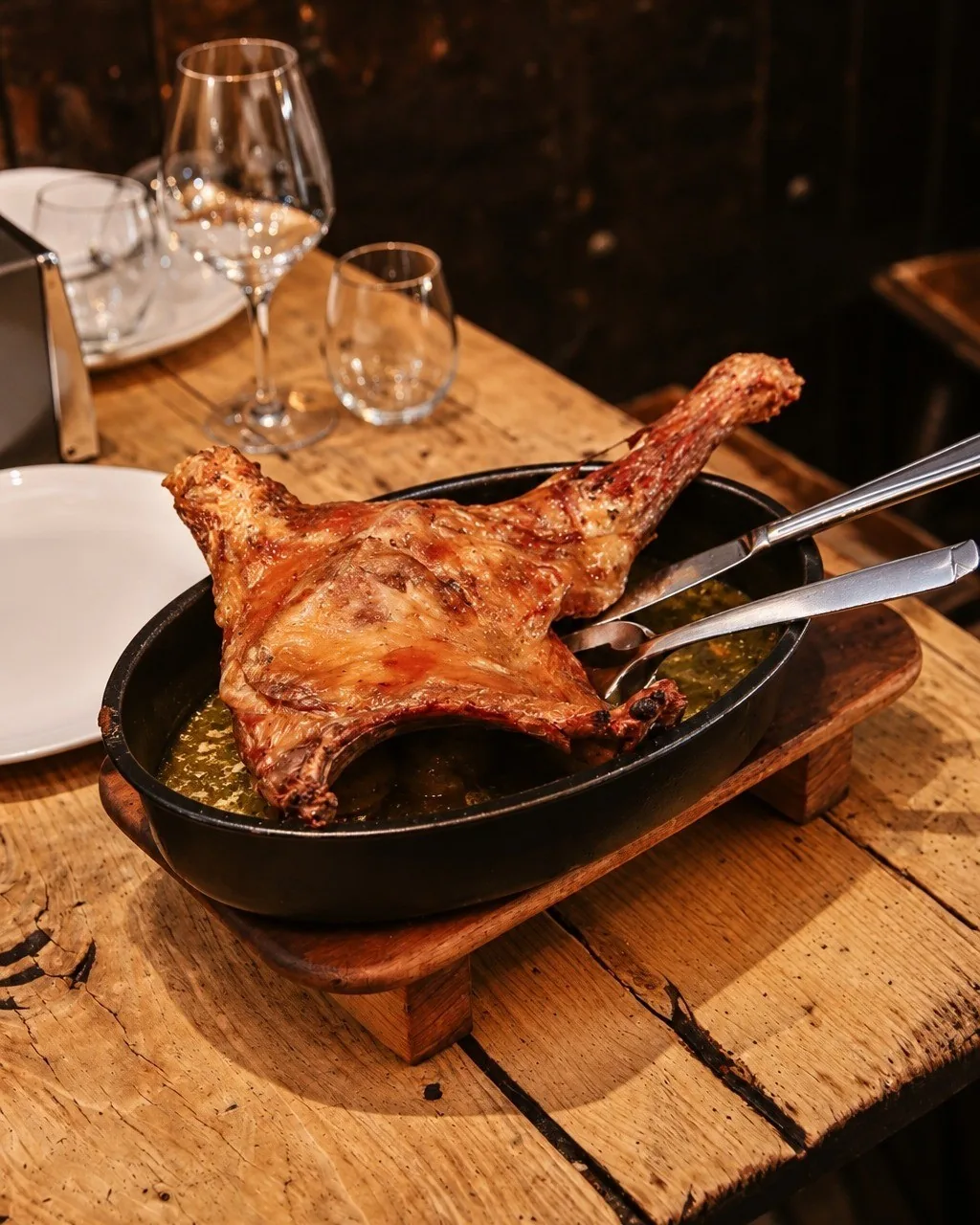
Casa Pedro traces back to 1702, when the family opened a pilgrims' inn in what was then the village of Fuencarral, taking in travellers on the road north out of Madrid, trading first as Casa de la Pascuala. Three centuries on it's still a family kitchen in Valverde, run by Pedro Guiñales with his daughter Irene alongside him, and it's a member of Madrid's Asociación de Restaurantes y Tabernas Centenarios. The cooking is unhurried Castilian: slow-cooked guisos, classic escabeches, and roast lamb and suckling pig from the oven. In 2025, the Academia Madrileña de Gastronomía gave Pedro Guiñales its Reconocimiento a Toda una Vida, calling him part of the living memory of Madrid's cooking. It holds a Recomendado in the Guía Repsol.
“Fundada en 1702 en el antiguo pueblo de Fuencarral, hoy parte del municipio de Madrid, Casa Pedro fue fonda y casa de comidas que atendía a los viajeros procedentes del camino de Francia”— Mirador Madrid
 Bodega La Ardosa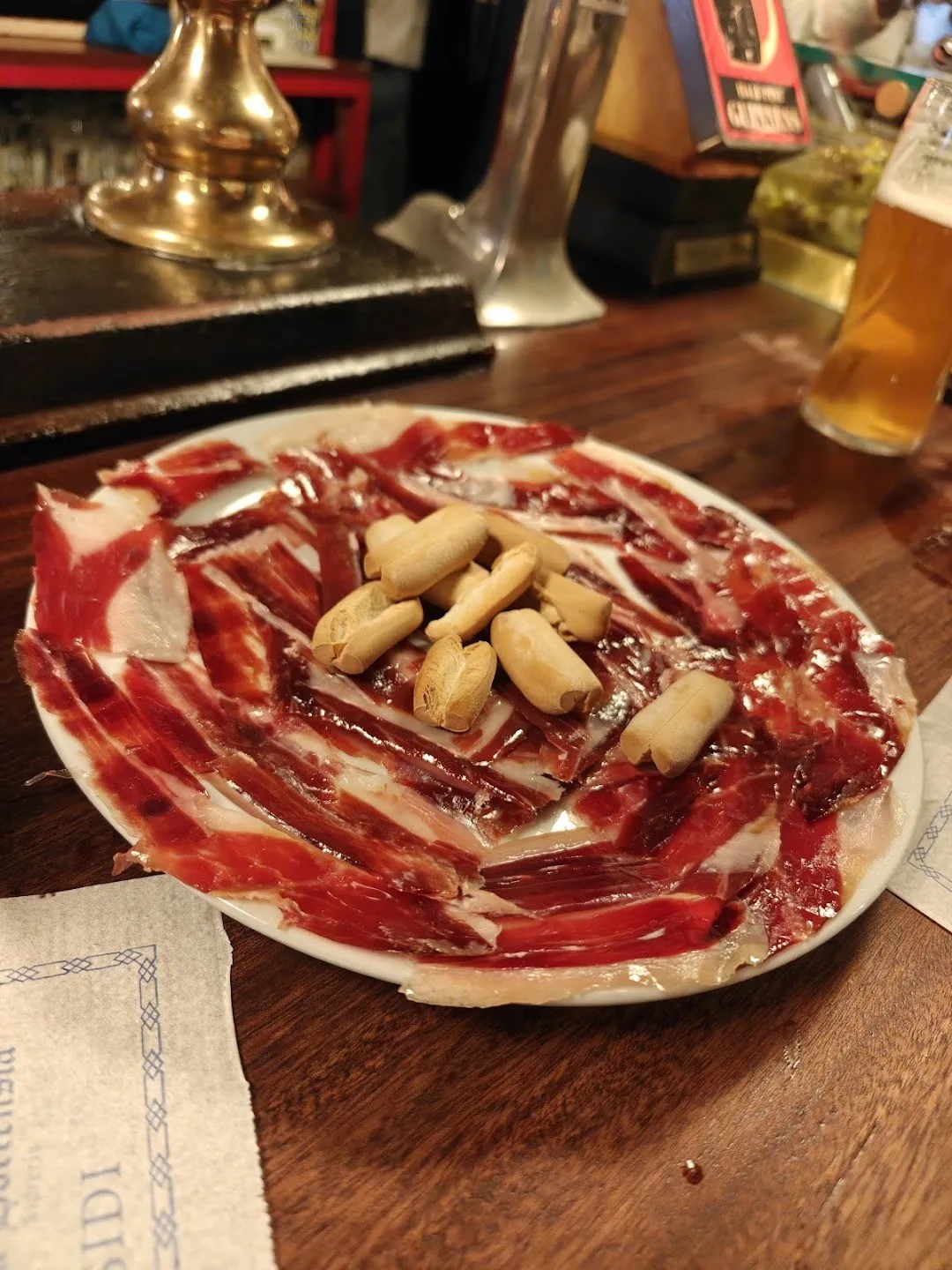
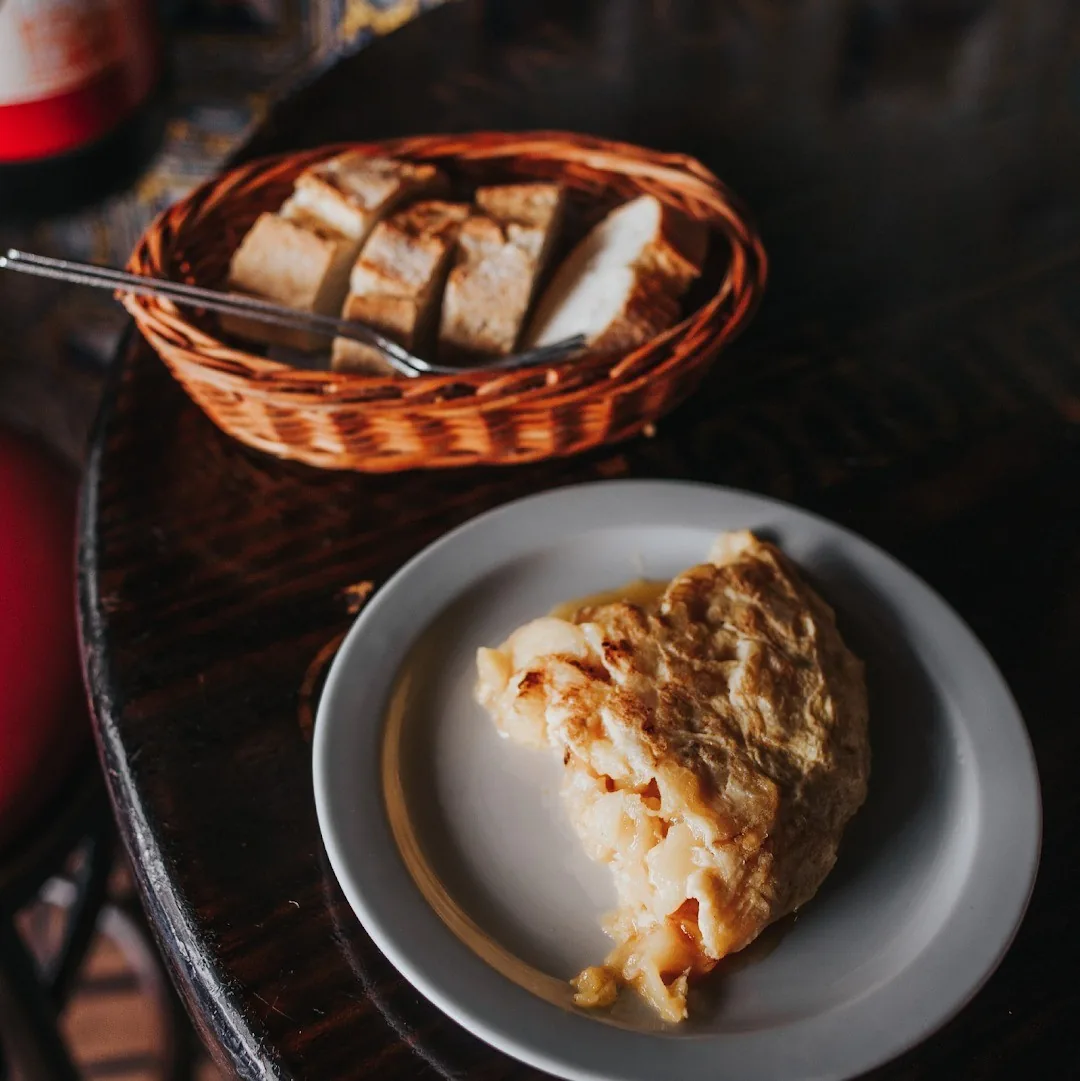
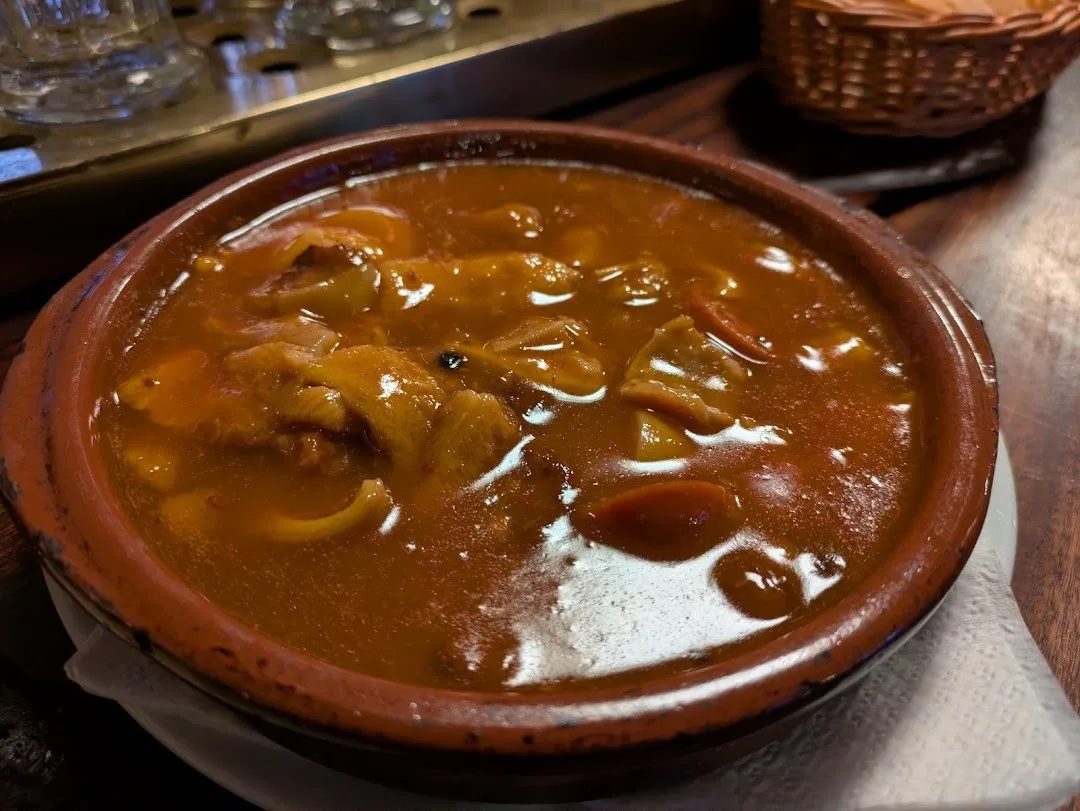
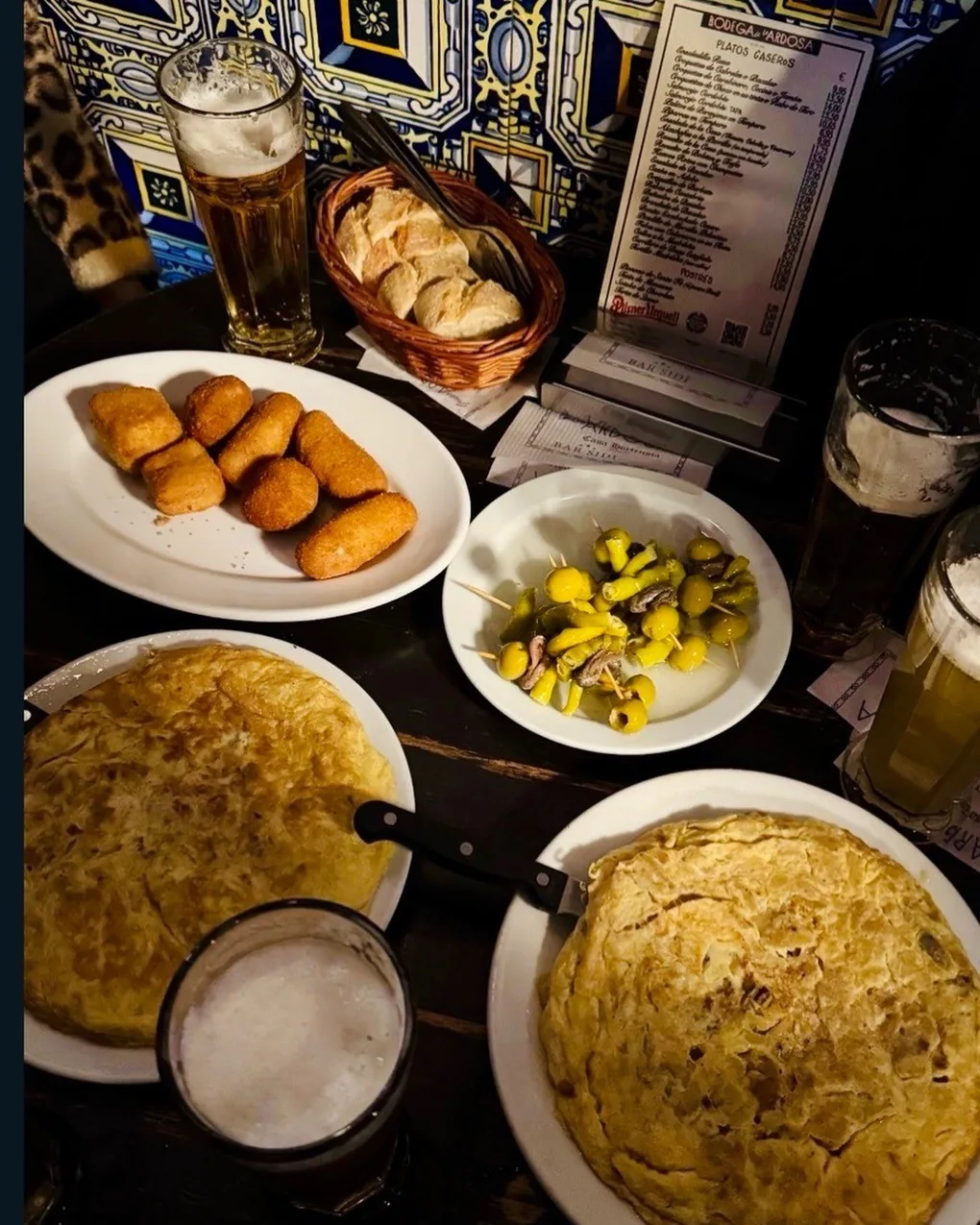
7. Bodega La Ardosa — Own-recipe vermut on tap since 1892 in Universidad
Bodega La Ardosa opened in 1892, founded by Rafael Fernández Bagena, a Toledo vineyard owner, as one of a chain of Ardosa bodegas selling his own wine and vermut. Its own-recipe vermut still pours from a dedicated tap, alongside classics like tortilla de patatas, salmorejo with jamón and egg, and a croqueta lineup in cabrales, shrimp, cecina and bacalao versions. El Español credits it as one of the first bars in Madrid to bring in imported beer. It's open daily, Monday to Friday from 08:30 and weekends from 11:45, running late. Prices stay low: the pincho de tortilla runs €3.60 and croquetas de cabrales or jamón €12.
“las croquetas y tortillas llevan haciendo la boca agua a su clientela desde 1892”— Madrid Secreto
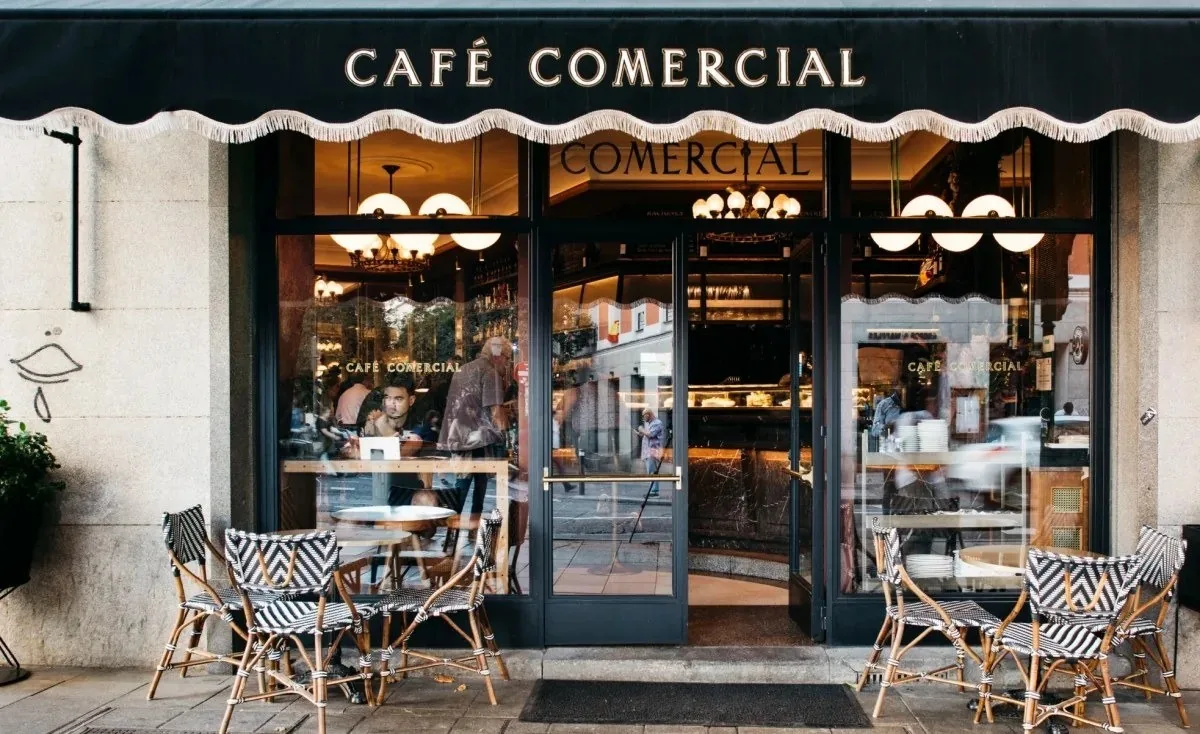 Café Comercial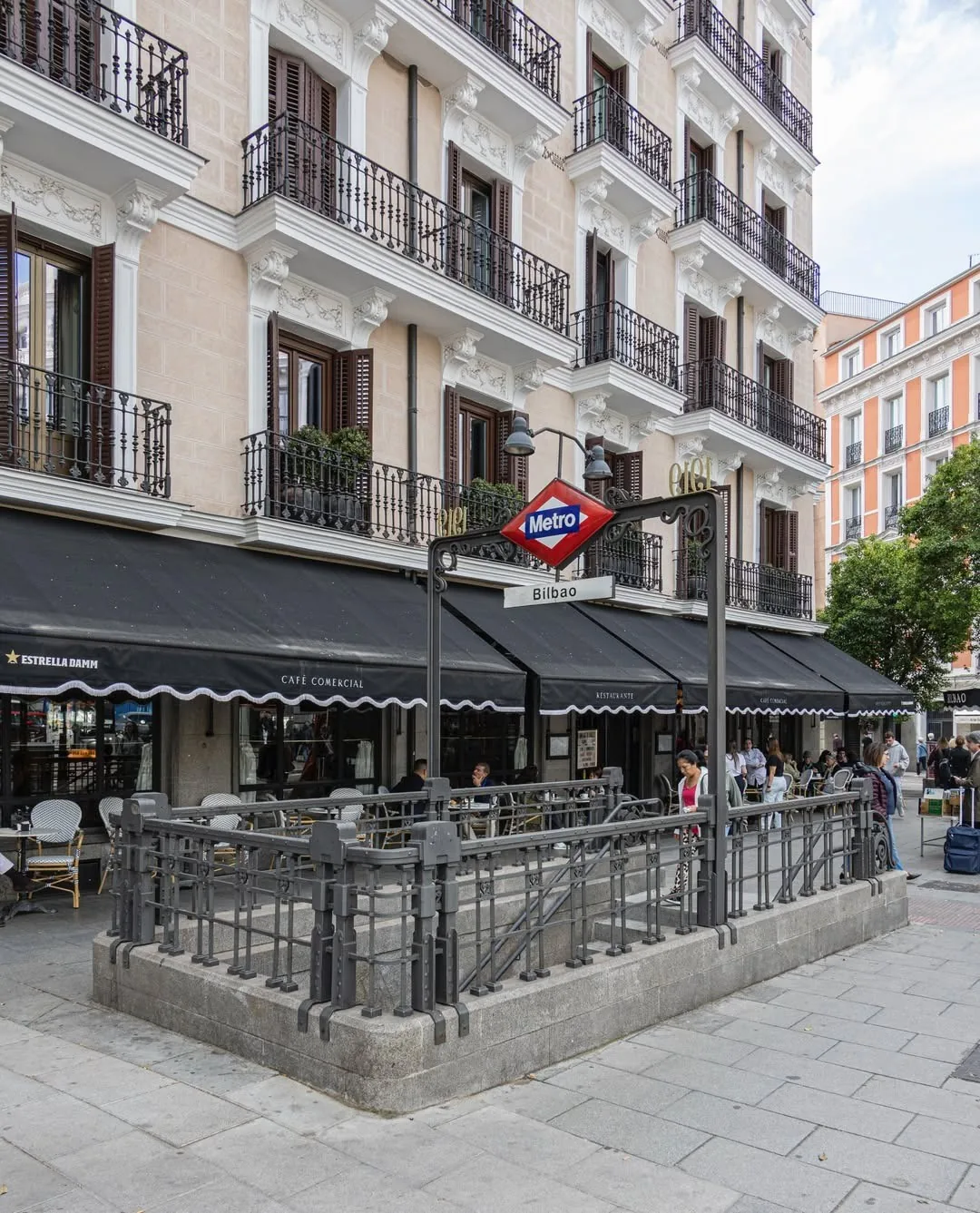
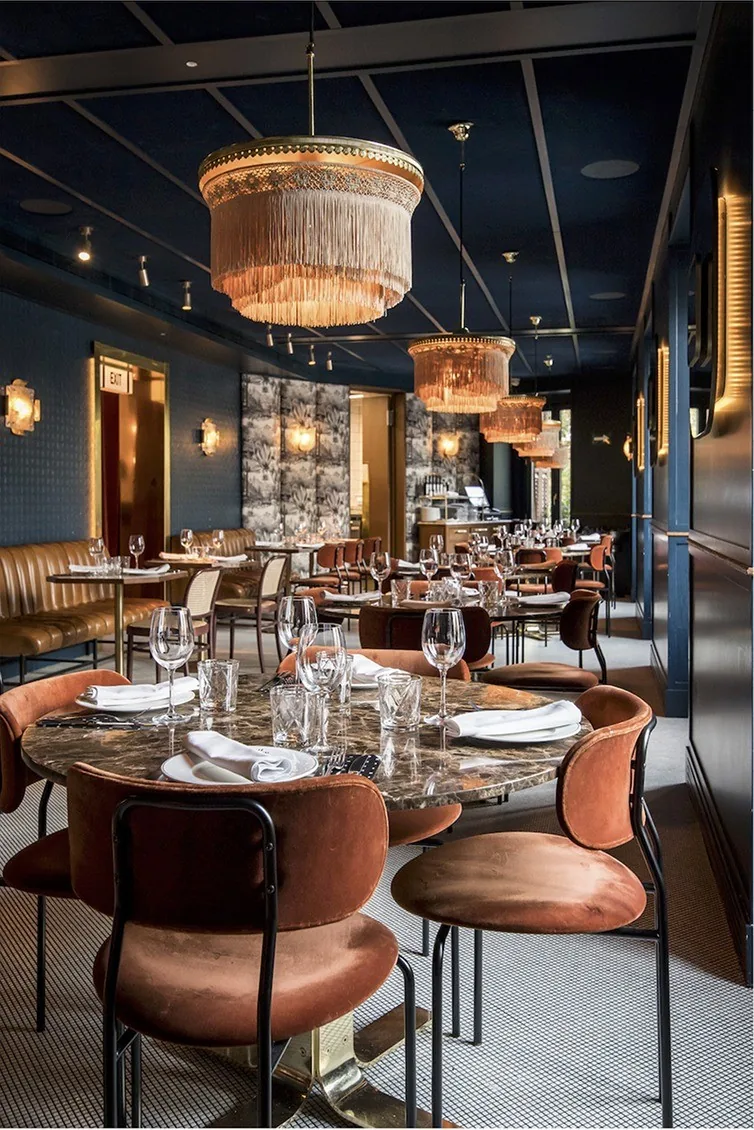
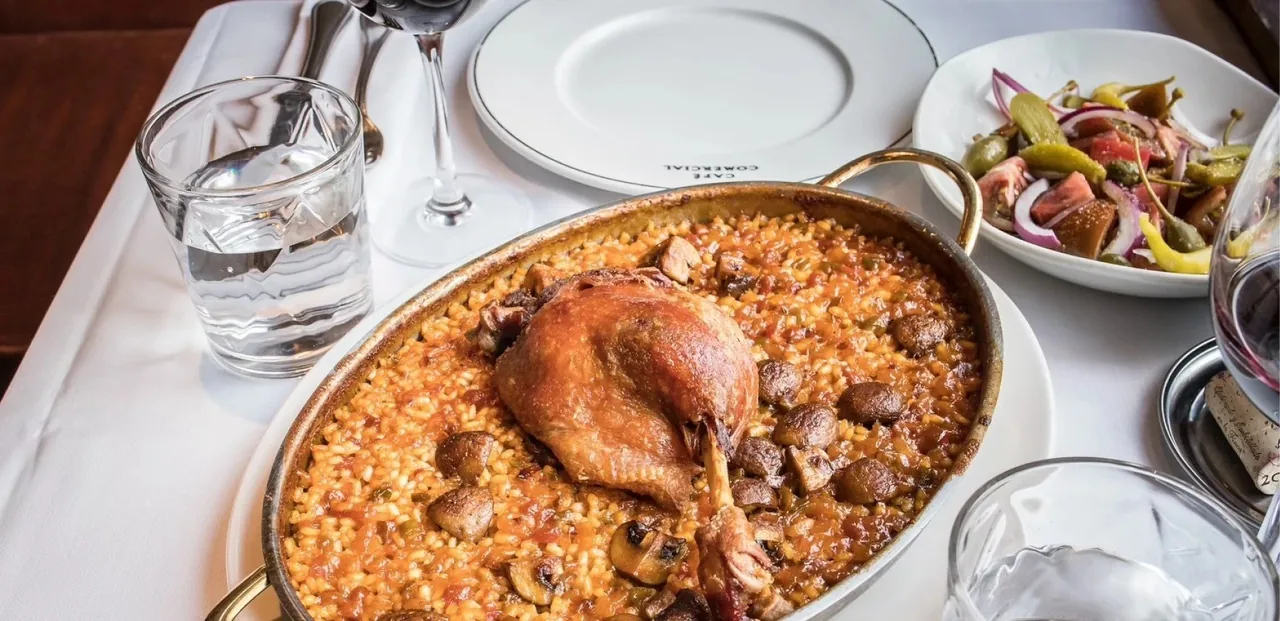
8. Café Comercial — Malasaña café since 1887, Thursday cocido today
Café Comercial opened in 1887 on Glorieta de Bilbao and became a fixture for Madrid's writers, poet Antonio Machado among them. It stayed open 128 years straight before a bureaucratic closure forced it shut; it reopened in March 2017, renovated but keeping the same period character, described at the time as preserving its "glamour castizo." Today, gastronomy director Pepe Roch oversees a Thursday cocido, a twelve-hour broth with Fuentesaúco chickpeas. The rest of the week leans into weekend brunch, eggs Benedict, burrata with Iberian tomato and pancakes, served Saturdays and Sundays from 10am for €28, including a coffee, tea, hot chocolate or fresh orange juice. It holds a Repsol Solete.
“Estuvo abierto ininterrumpidamente la friolera de 128 años”— Madrid Secreto
 Casa Alberto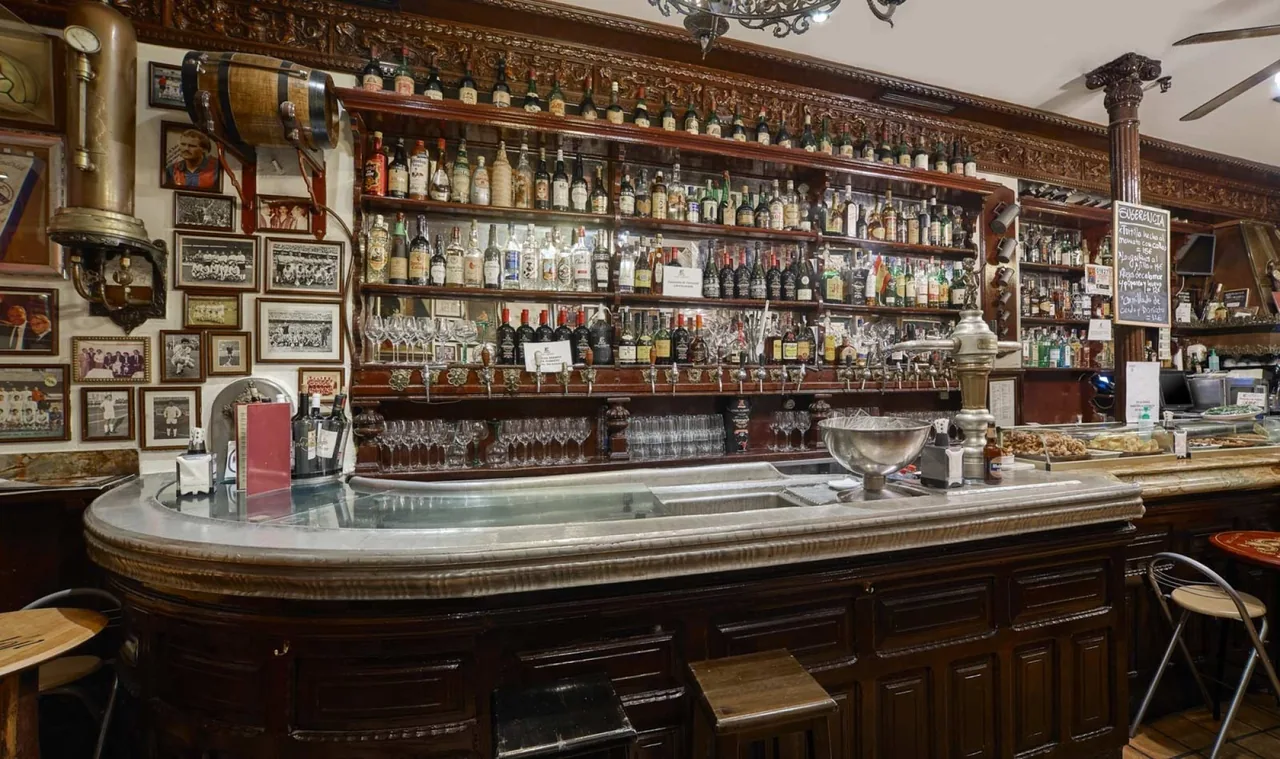
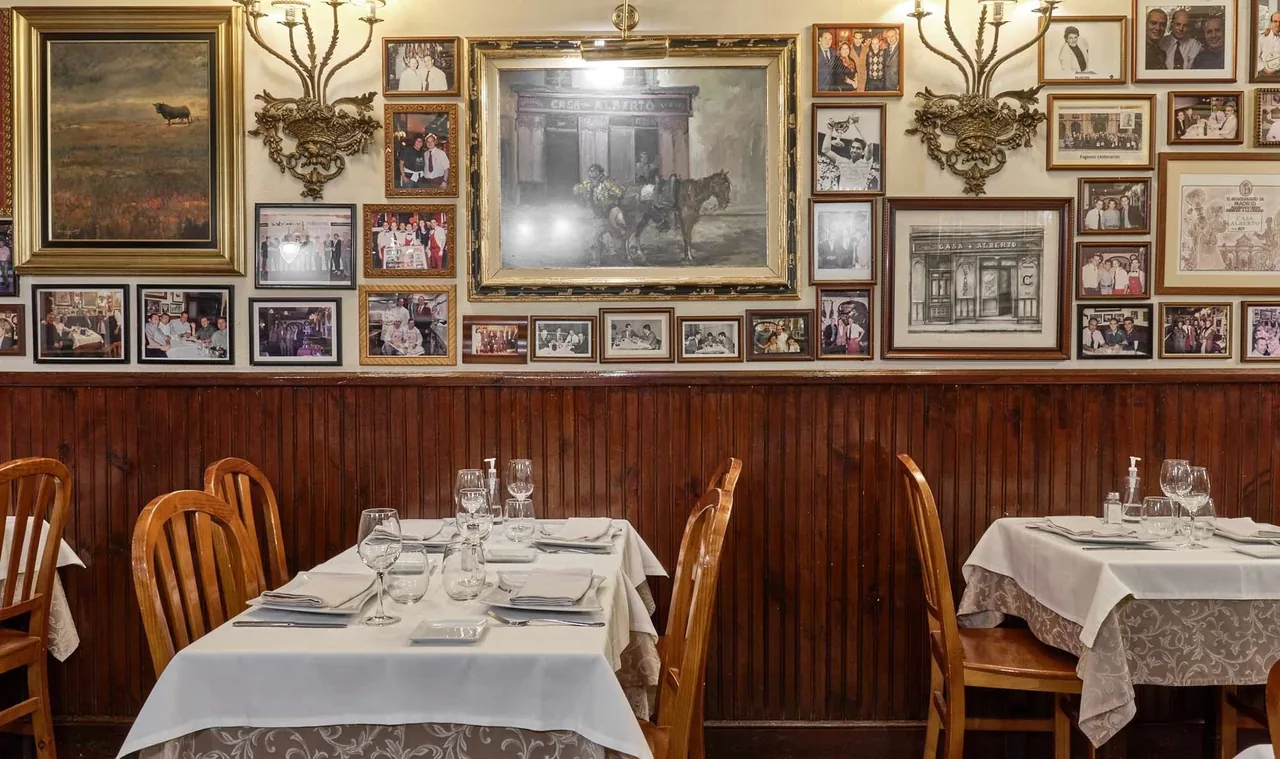
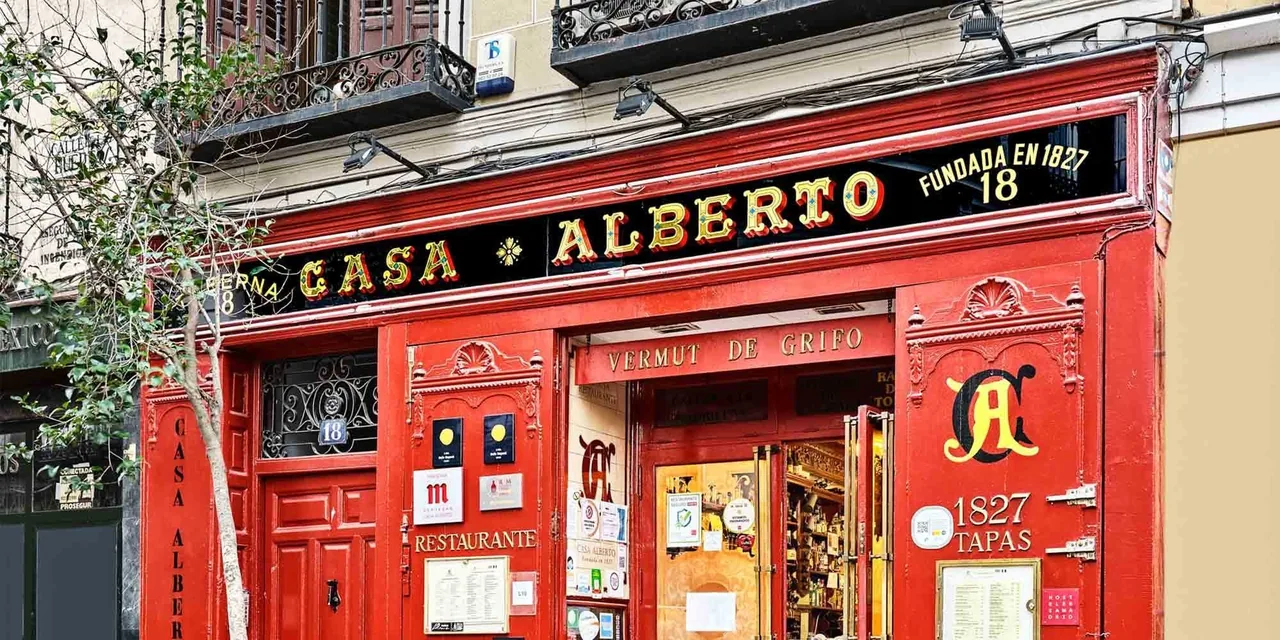
9. Casa Alberto — Centenarian taberna in the building where Cervantes lived
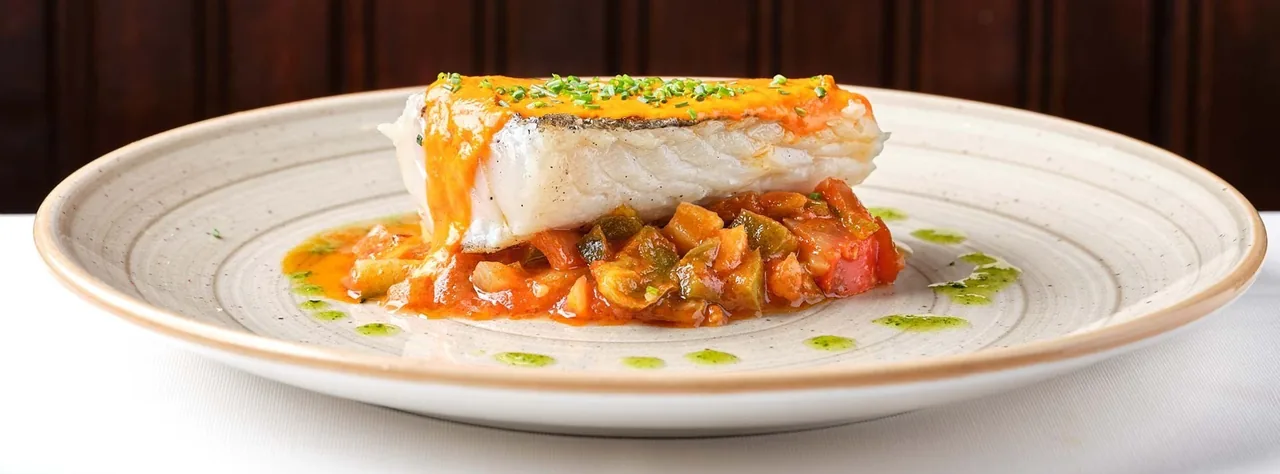
Casa Alberto calls itself a taberna centenaria, its 1827 founding recorded on a plaque the Ayuntamiento de Madrid set into the floor at the entrance, on Calle de las Huertas in Barrio de las Letras. The current building went up over an earlier mid-sixteenth-century one where Miguel de Cervantes lived; the Restaurantes Centenarios association says he wrote part of the second Don Quixote there. Casa Alberto is on the Ayuntamiento's Comercios Centenarios register. The classics are callos, caracoles a la madrileña, rabo estofado, carrillada de ternera and bacalao a la madrileña, and every dish can be eaten at the bar. It's Recomendado in the Guía Repsol and is closed Mondays.
“Casa Alberto se ubica en el mismo edificio donde se dice que vivió Miguel de Cervantes, en la calle Huertas”— Mirador Madrid
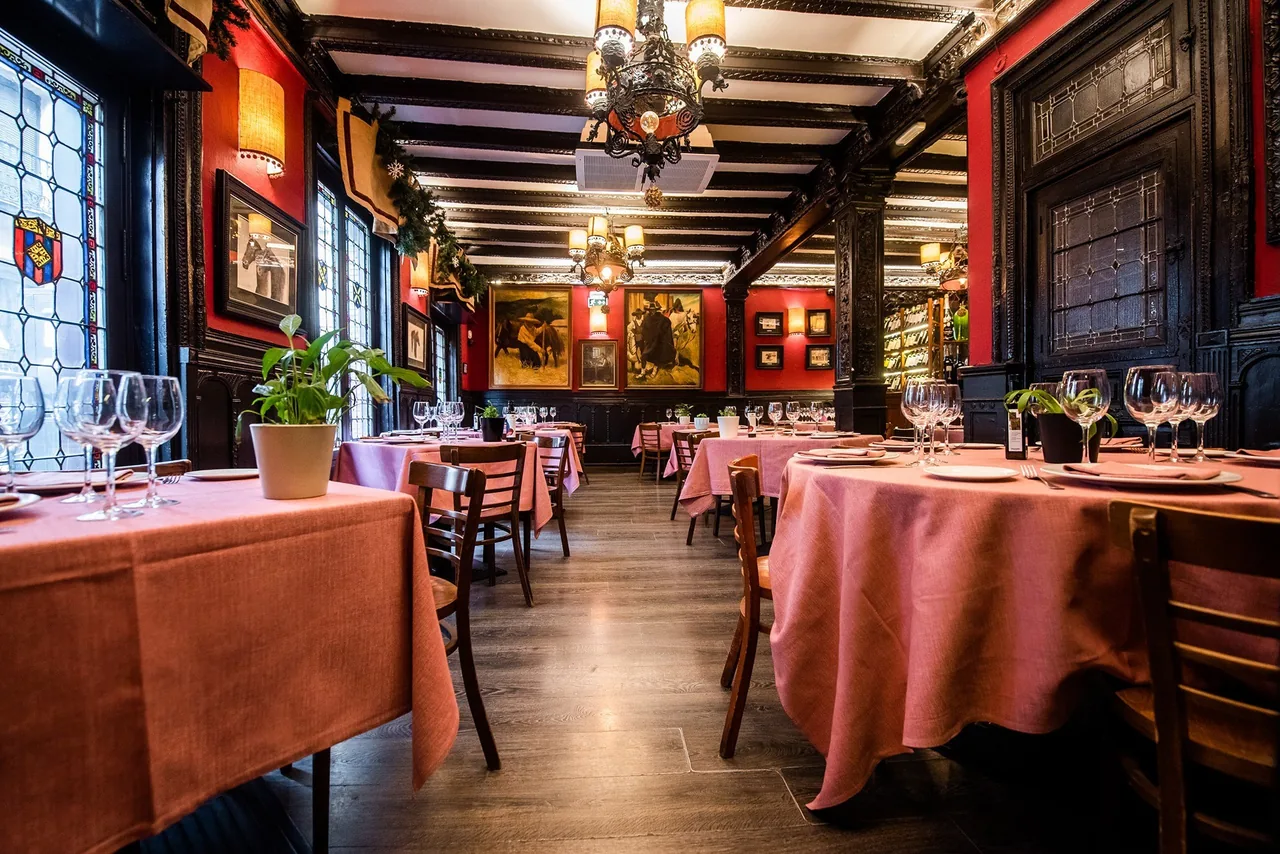 Los Galayos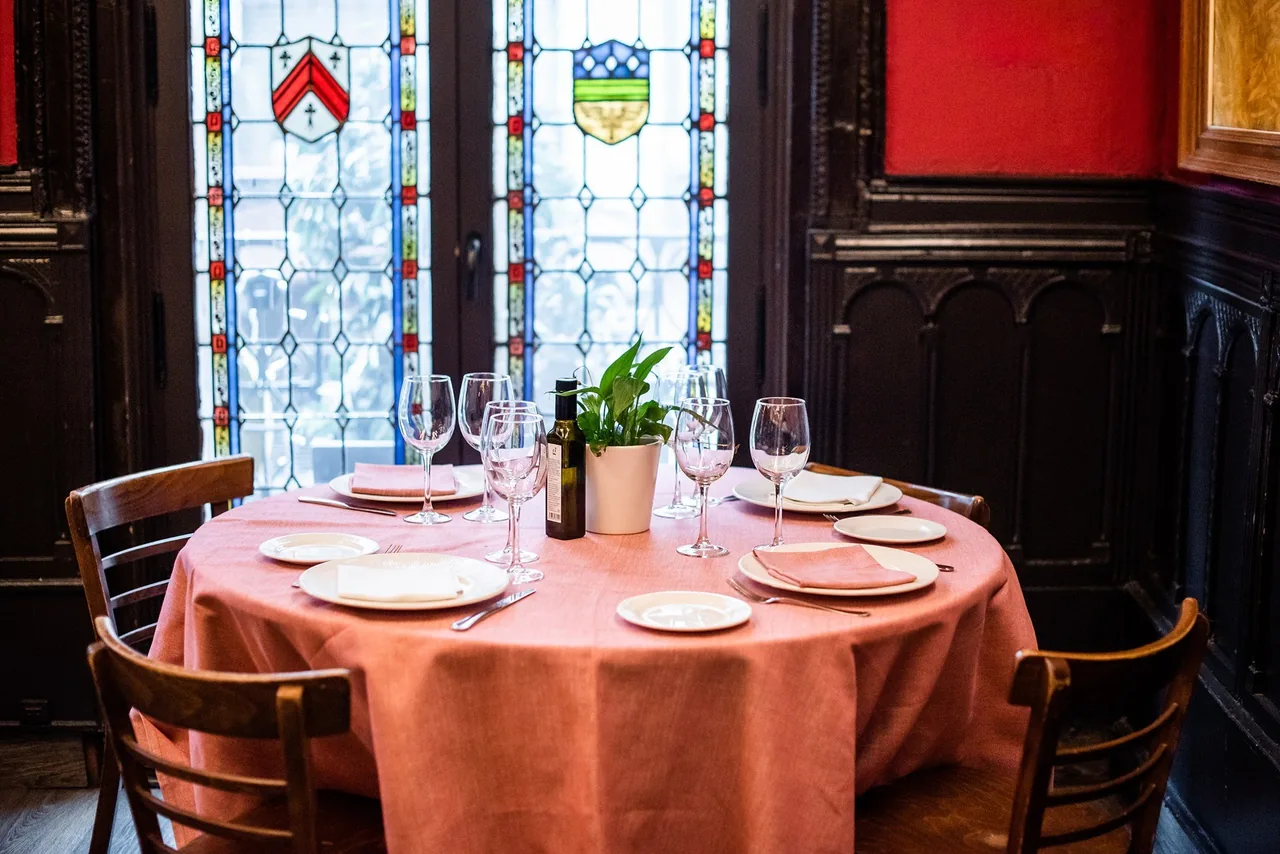
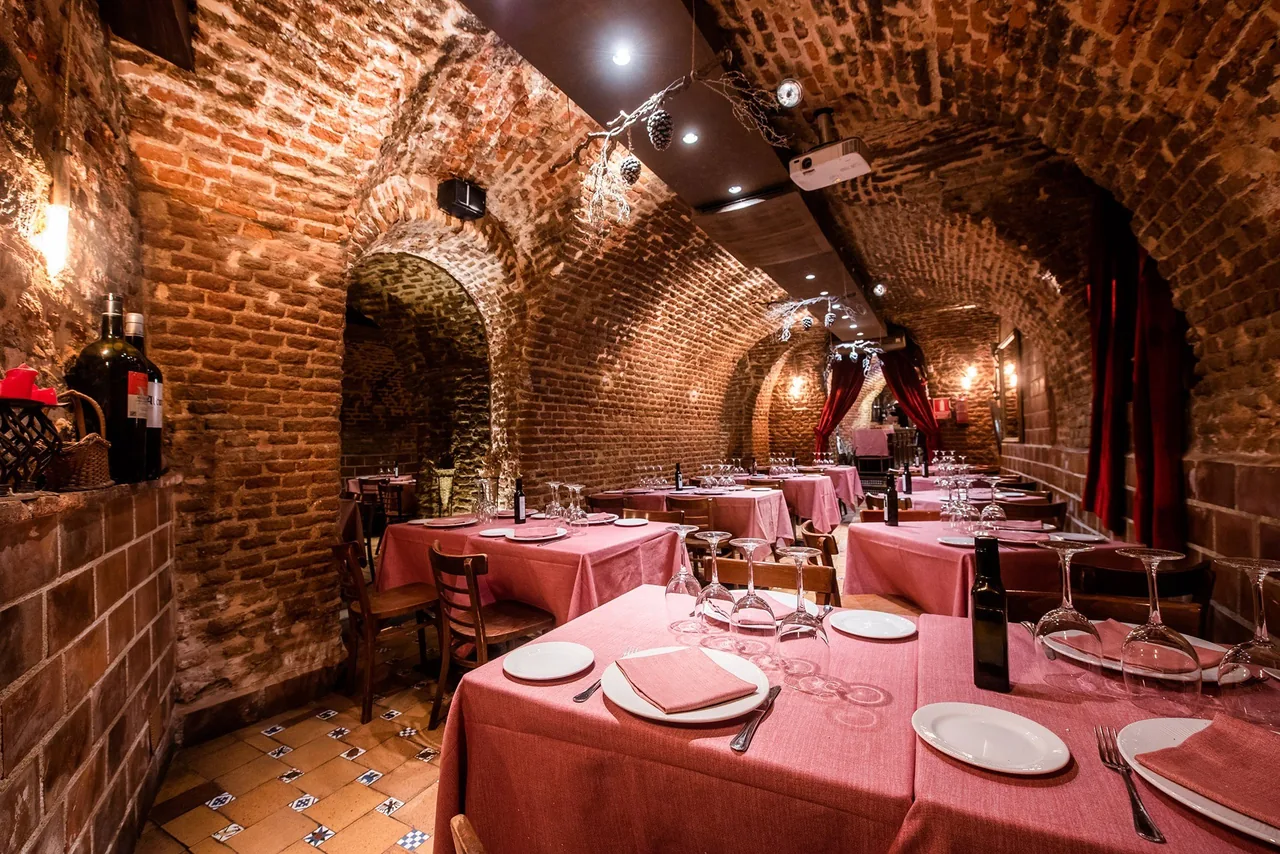
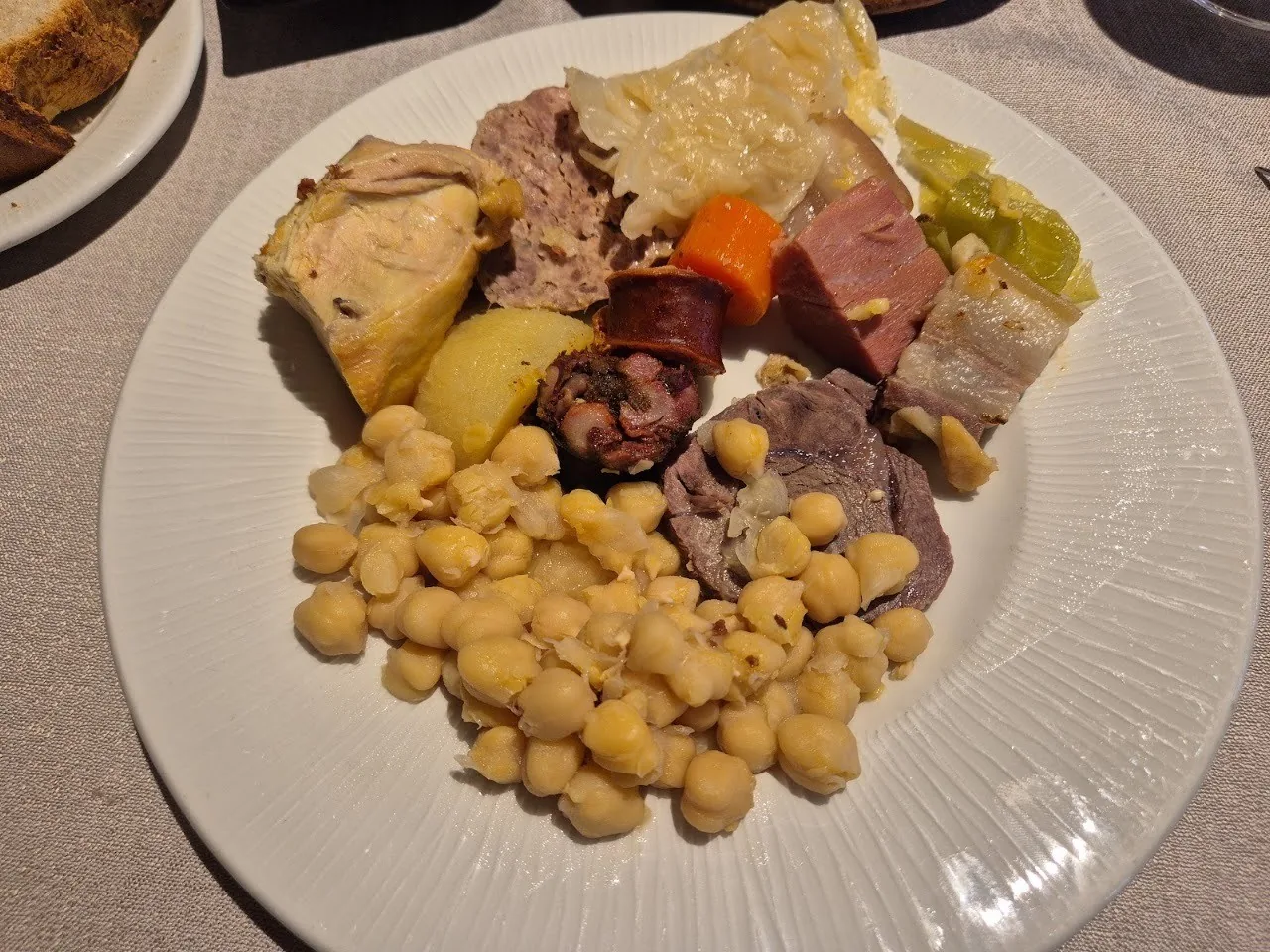
10. Los Galayos — Castilian roasts at Plaza Mayor since 1894
Los Galayos has operated right off Plaza Mayor since 1894, per the venue's own site, splitting into a formal restaurant, with five private salons and terrace seating onto the square, and a separate historic tavern with a hand-carved wooden counter. Castilian roasts anchor the dining room, cochinillo above all, while the tavern side runs classics like ensaladilla rusa and cocido. Time Out Madrid rated it 4 out of 5 stars, noting that despite sitting on the edge of the square, it isn't a tourist-hunting spot. It's Recomendado in the Guía Repsol, open seven days a week, closed only on the night of December 24, with a kitchen running continuously from 11:30am to 11:30pm.
“Los Galayos es una de esas tabernas y restaurantes centenarios que nunca han dejado de ser frecuentadas por los vecinos, ni siquiera en estos tiempos de auge turístico”— Mirador Madrid
 Las Cuevas de Luis Candelas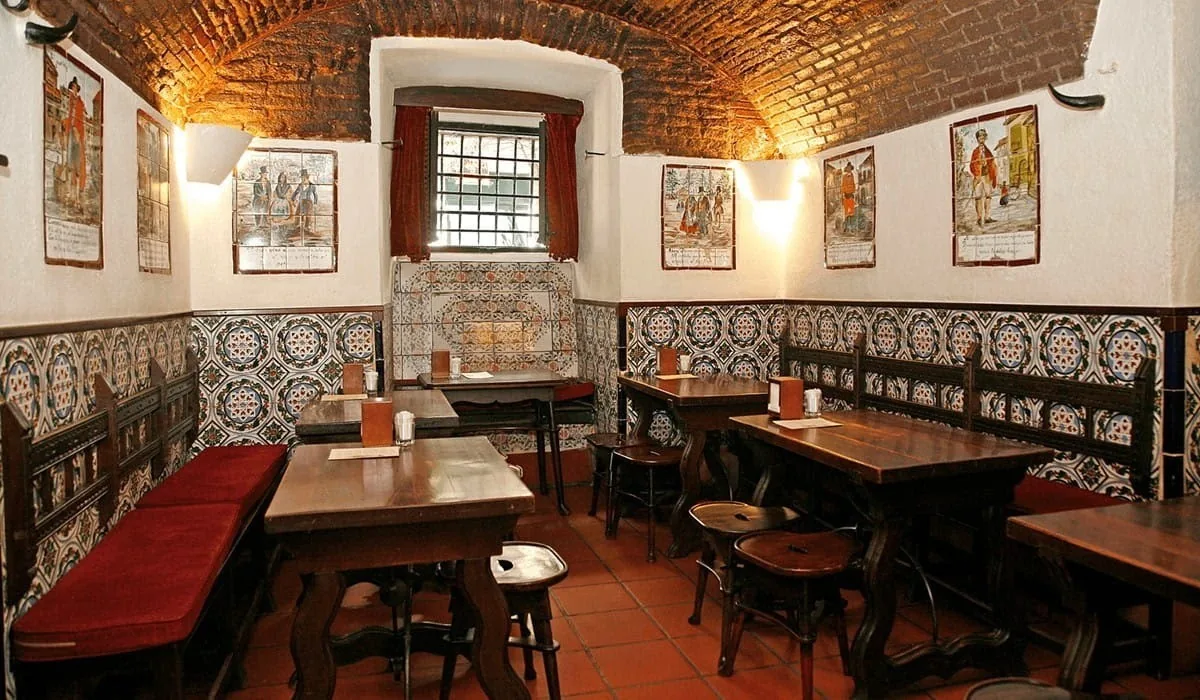
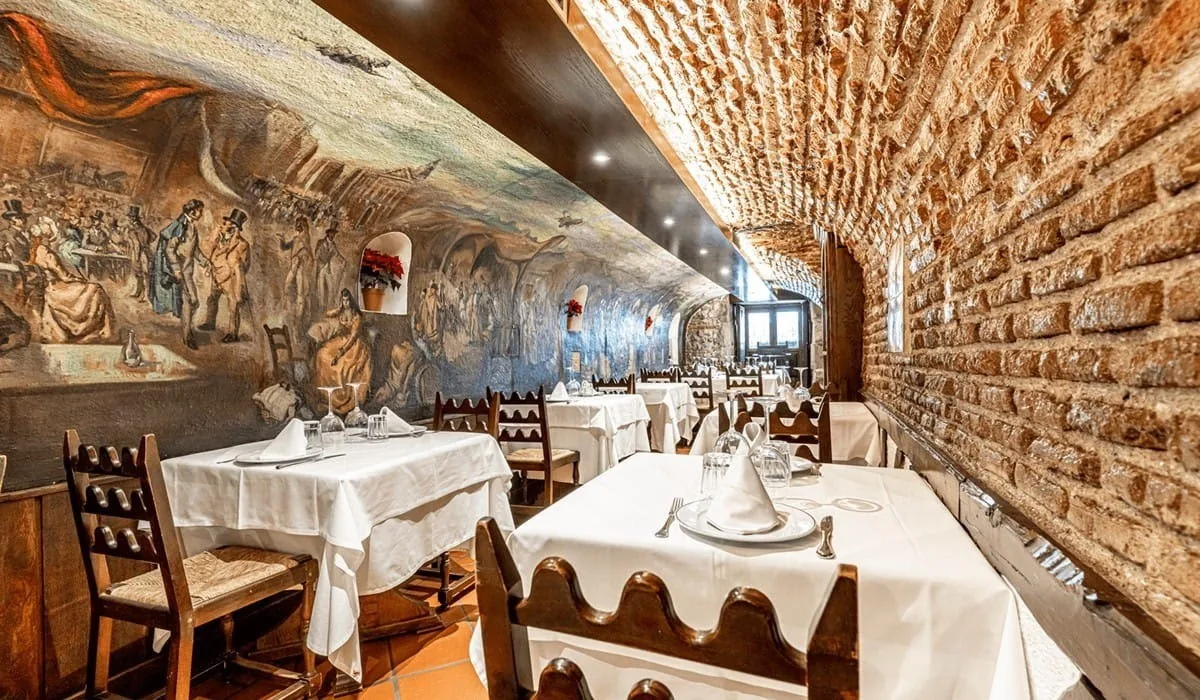
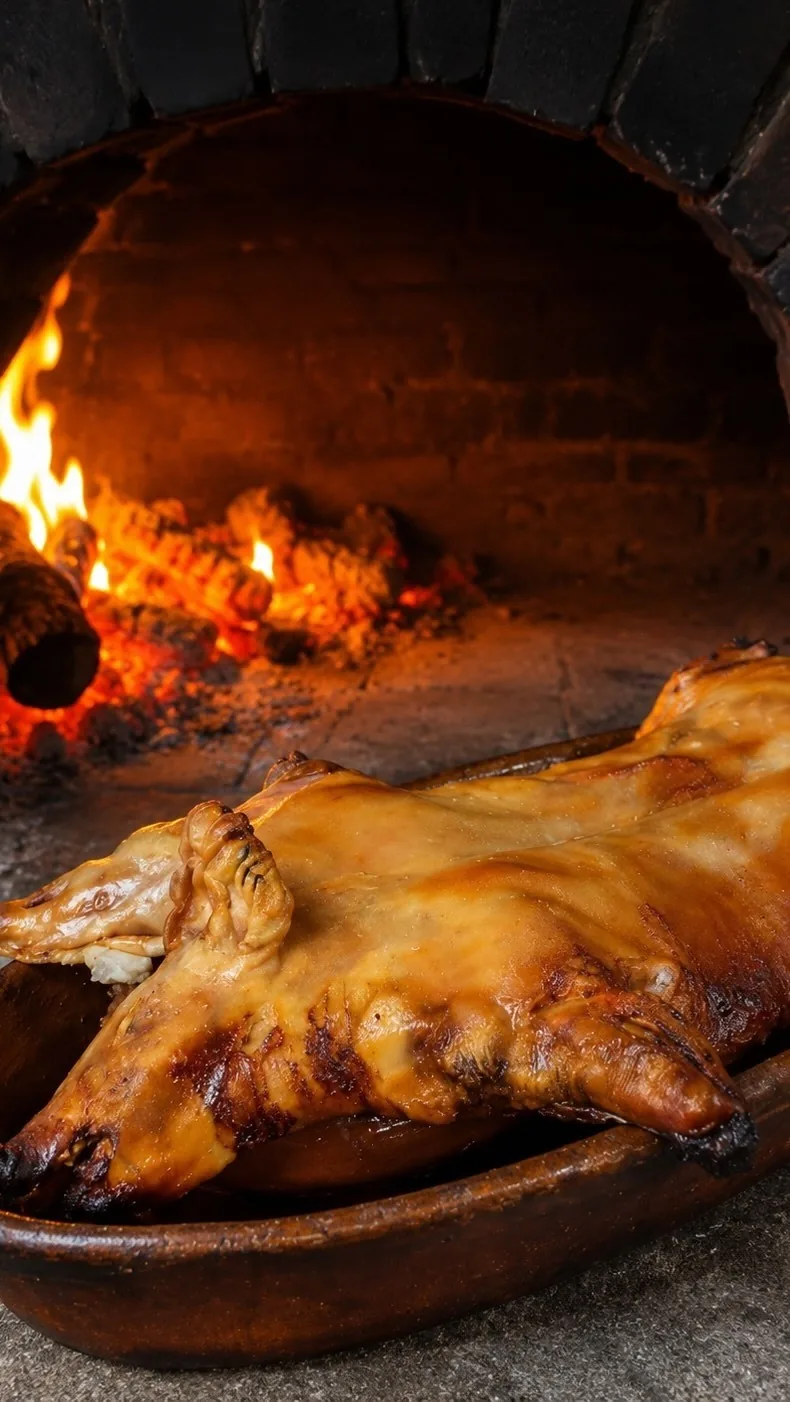
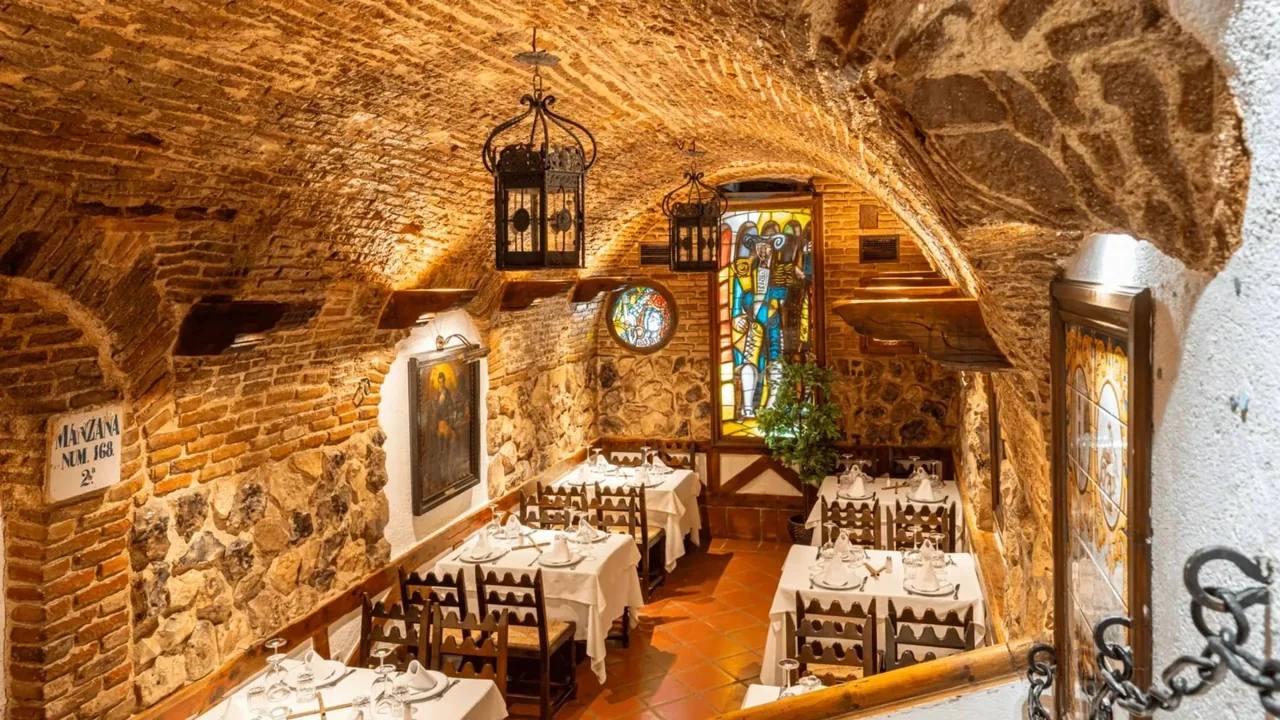
11. Las Cuevas de Luis Candelas — Costumed roast house by Plaza Mayor since 1860
Las Cuevas de Luis Candelas has run on Calle de Cuchilleros, next to Plaza Mayor, since 1860, named for the nineteenth-century bandit who, per local lore, met his crew under the Arco de Cuchilleros nearby. Staff still dress in period costume, and the restaurant's own line is that every visitor is welcomed by Candelas himself. The kitchen roasts suckling pig and suckling lamb in a wood-fired oven, alongside callos a la madrileña and cocido de puchero. Four dining rooms and a terrace over the arch seat 140. It runs €51 to €100 per person and is open daily, 12:45 to 15:45 and 19:45 to 23:30.
“también en 1860 se inaugura Las Cuevas de Luis Candelas, llamado así en honor al bandolero que, tras sus fechorías, se reunía bajo el Arco de Cichilleros con su cuadrilla”— Mirador Madrid
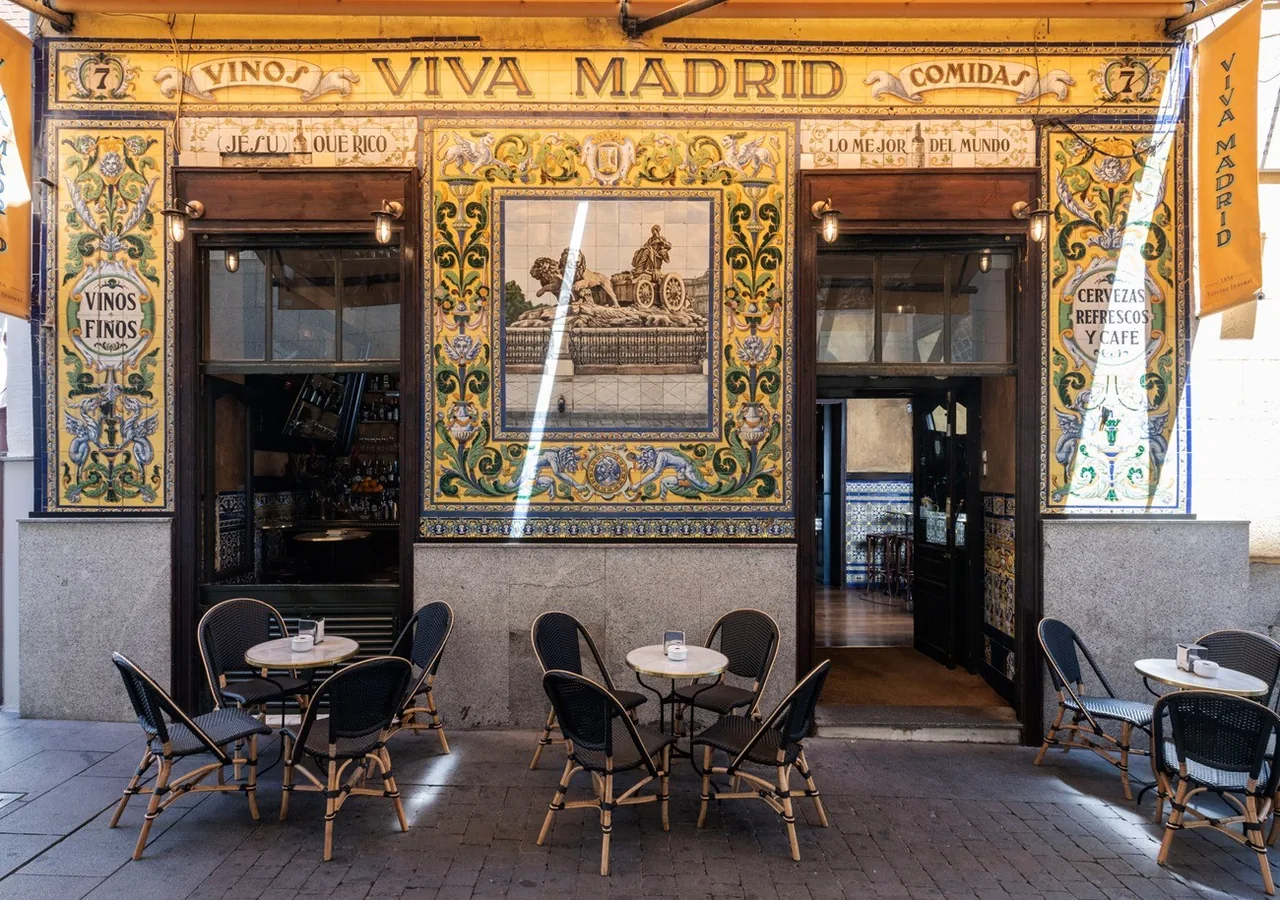 Viva Madrid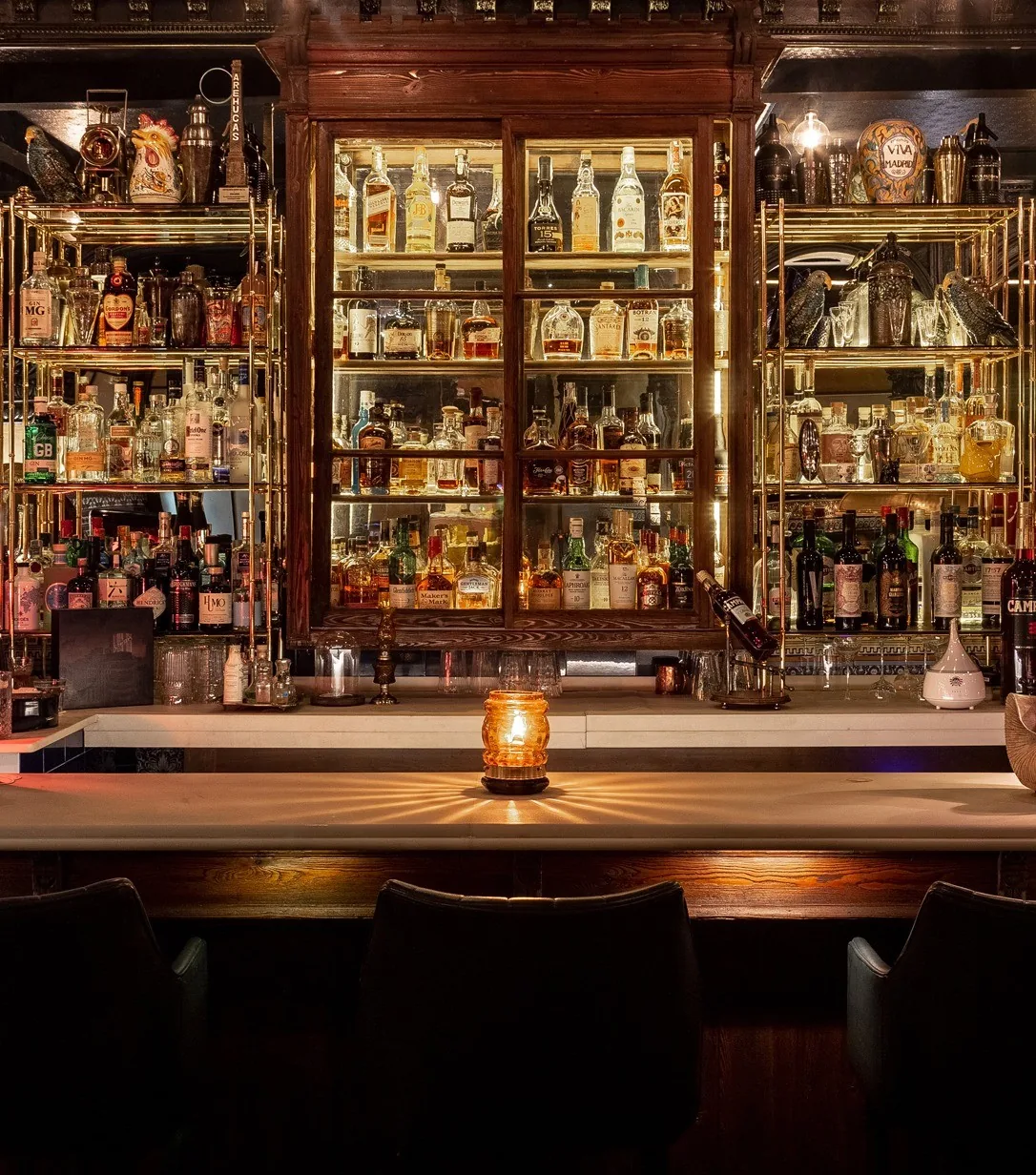
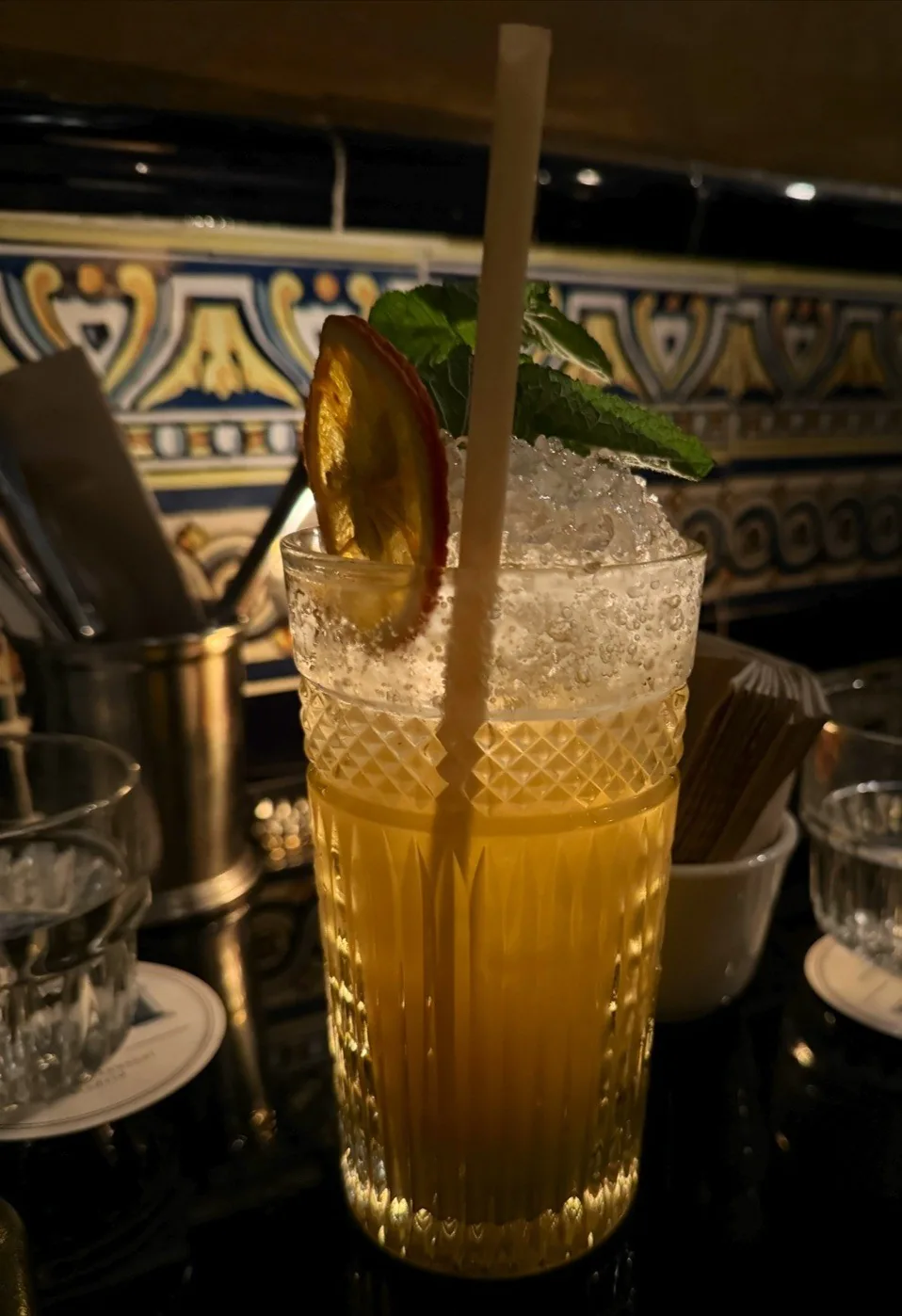
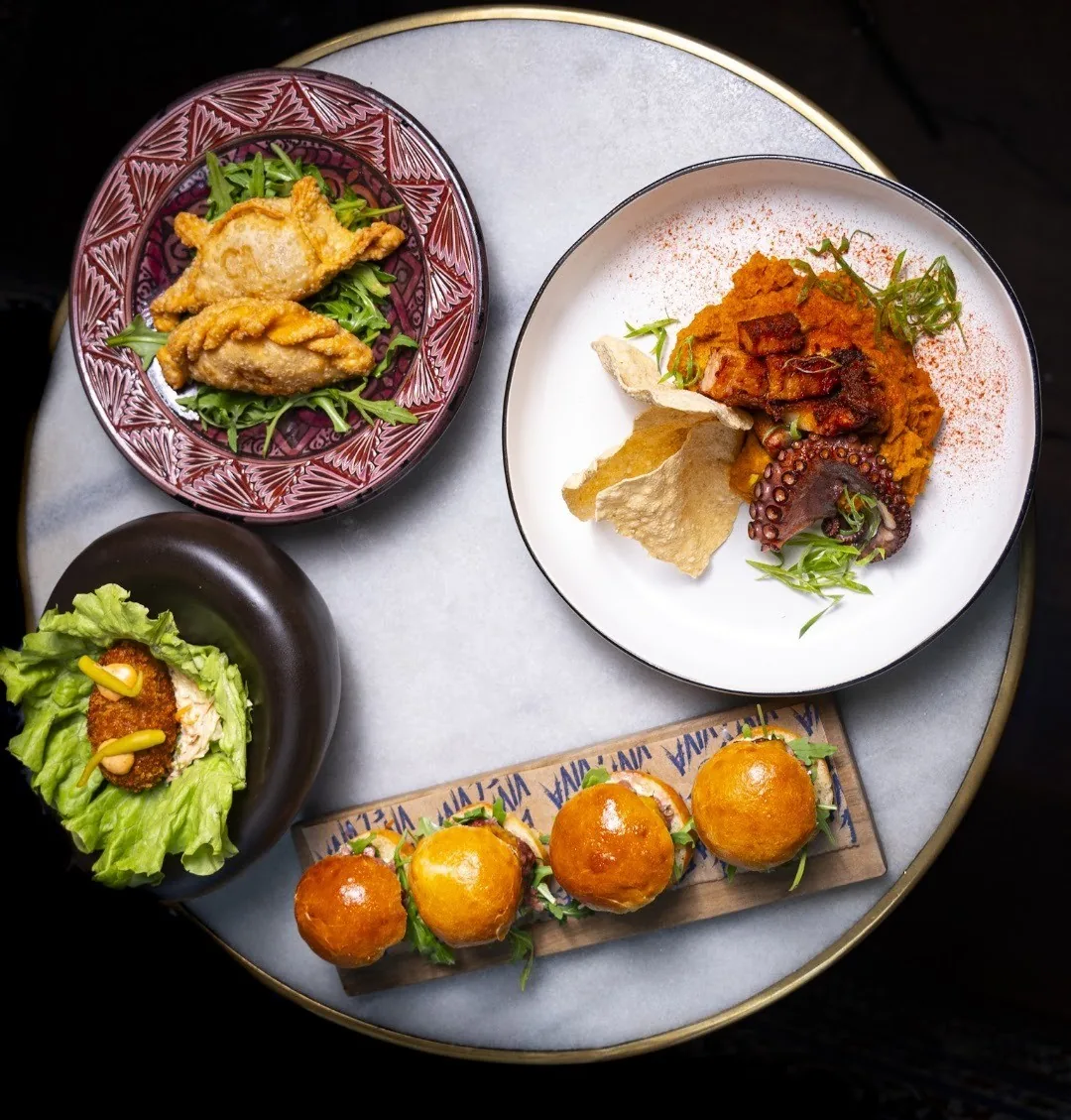
12. Viva Madrid — Tiled 1856 taberna, now a craft-cocktail address
Viva Madrid has poured drinks from the same Barrio de las Letras address since 1856, per its own branding, Viva Madrid 1856, inside a building known for its glazed ceramic tiles, magnificent bars and counters, and a coffered ceiling original to the space. Bartender Diego Cabrera led a 2018 reopening that revived its aperitivo traditions, and the drinks list now runs to signature pours like La Gilda del Viva and an Espresso Martini alongside traditional tapas. Regulars and staff describe the place with a kind of affectionate shorthand rather than a formal pitch. It's open daily, no reservations required, noon to 2am on weekdays and later on weekends, and most cocktails run €13 to €14.
“El Viva es el Viva”— Time Out Madrid
 Casa Dani / Vinos 11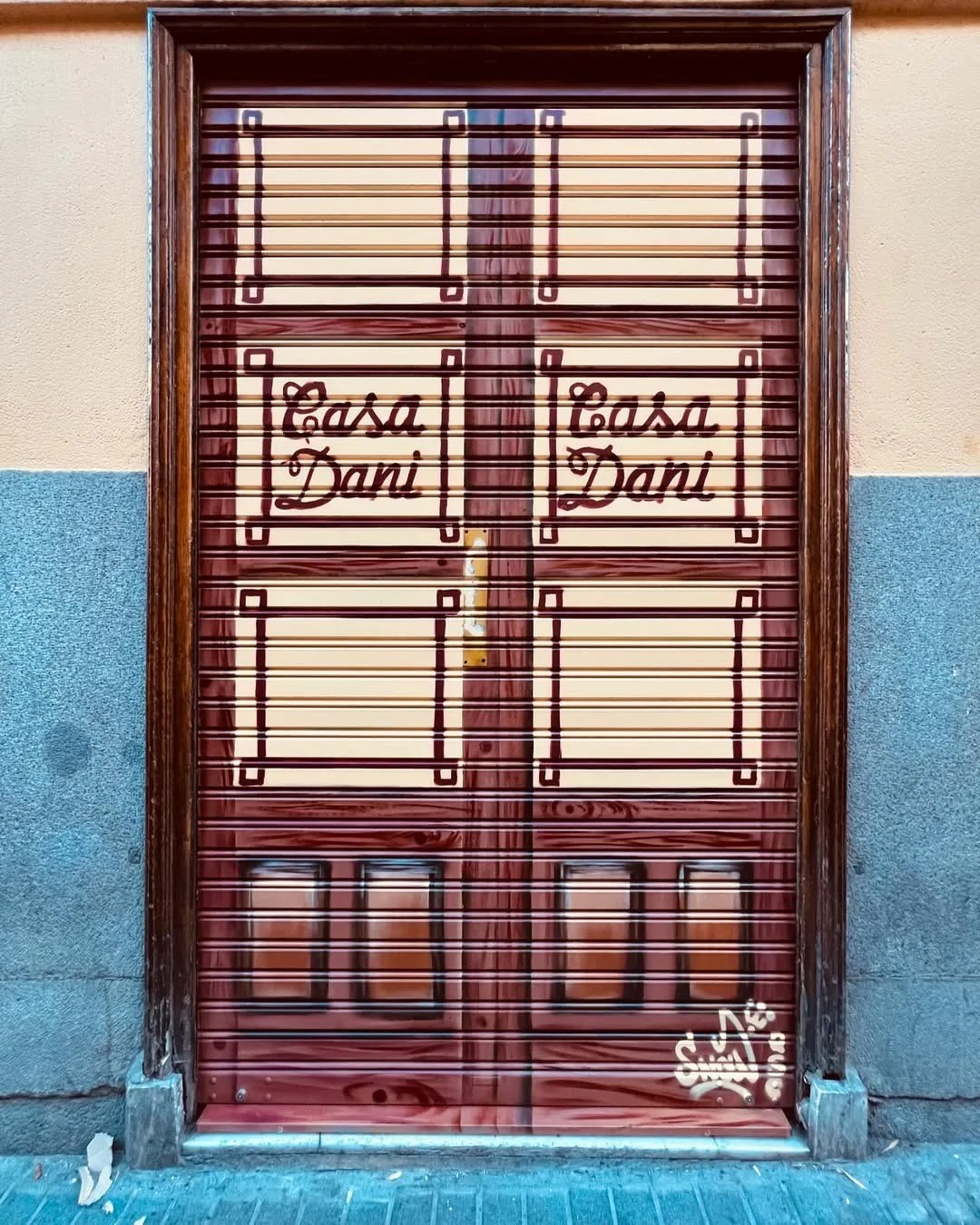
13. Casa Dani / Vinos 11 — Marble-topped wine taberna in Palacio since 1861
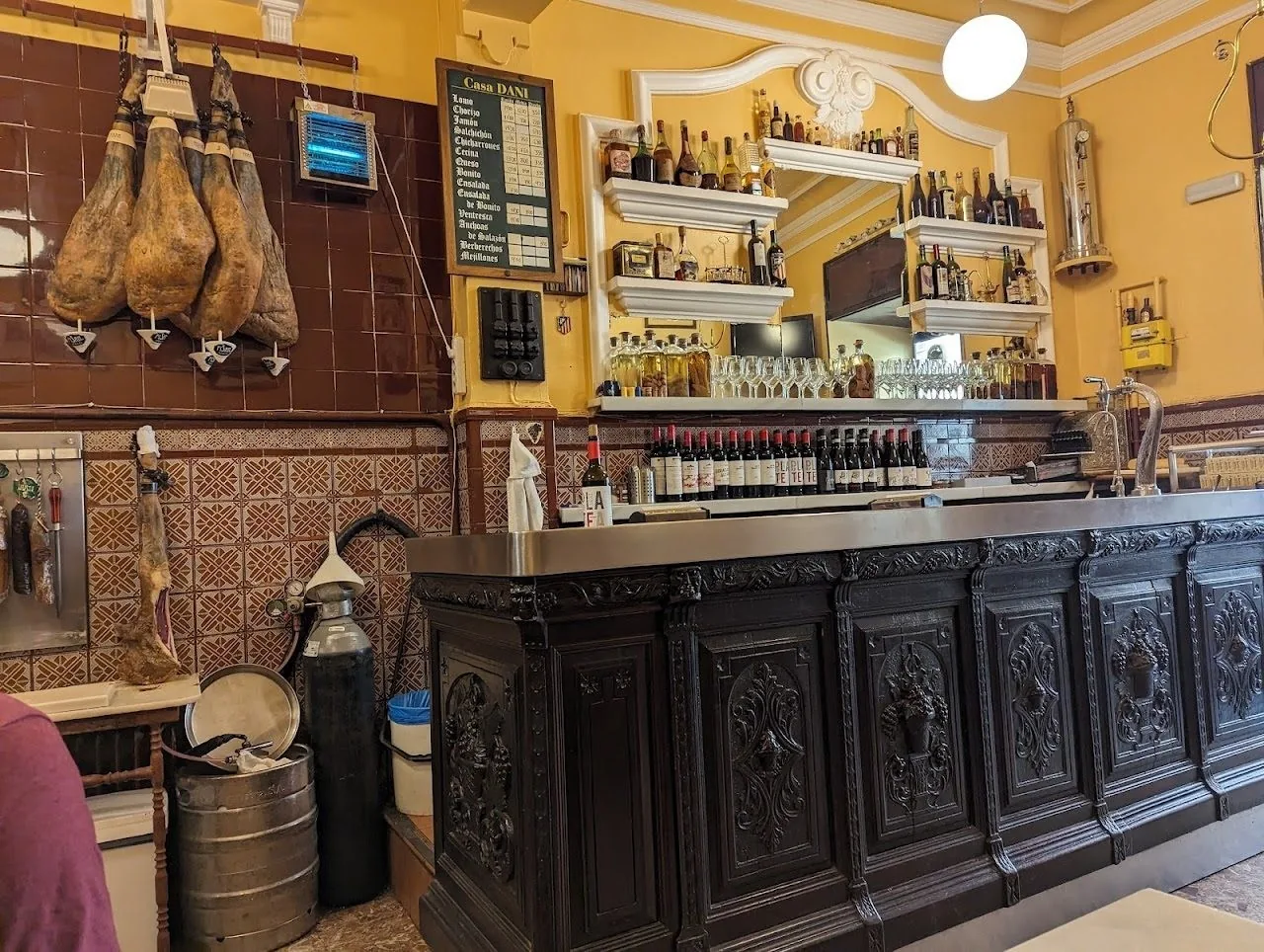
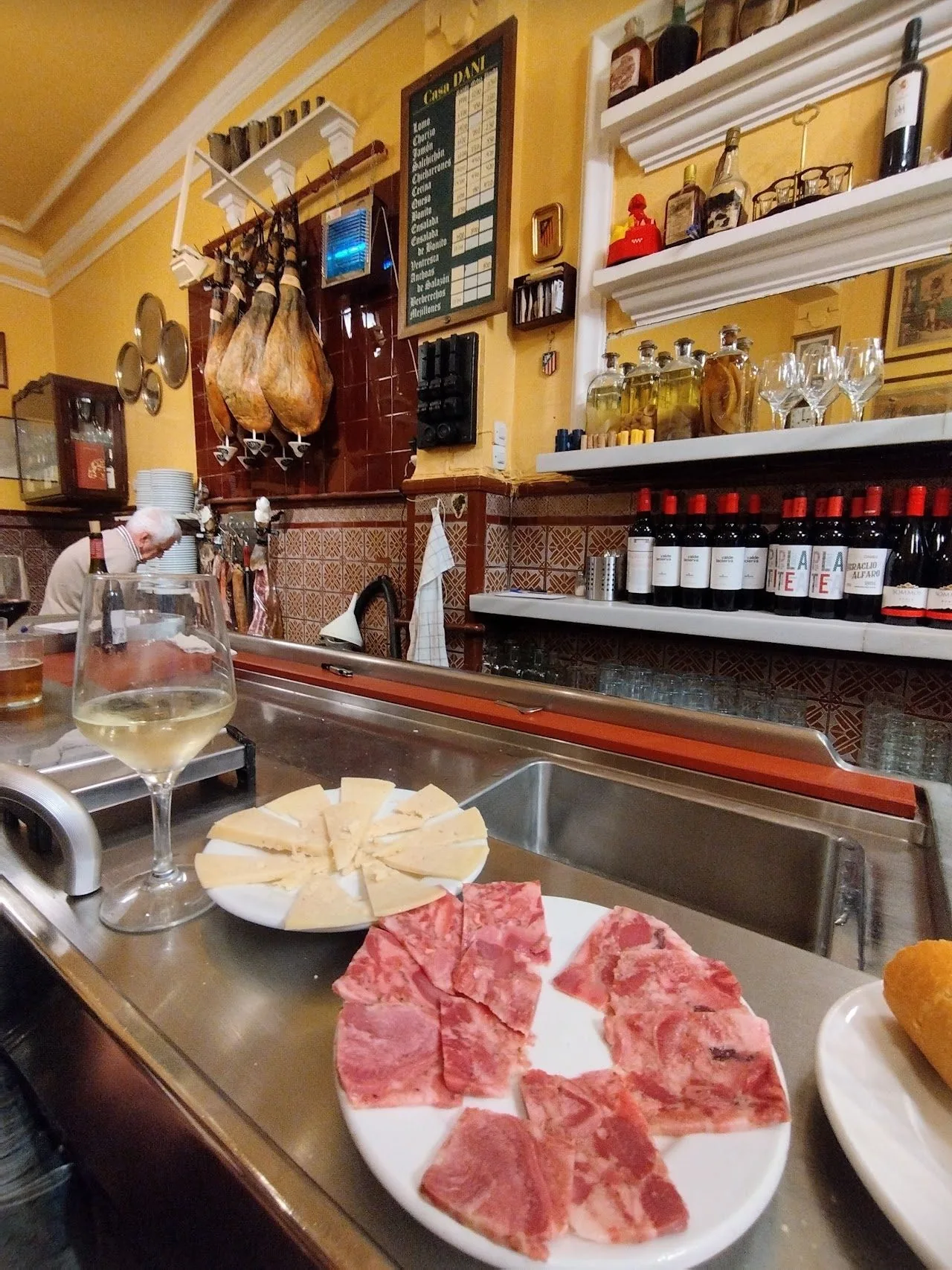
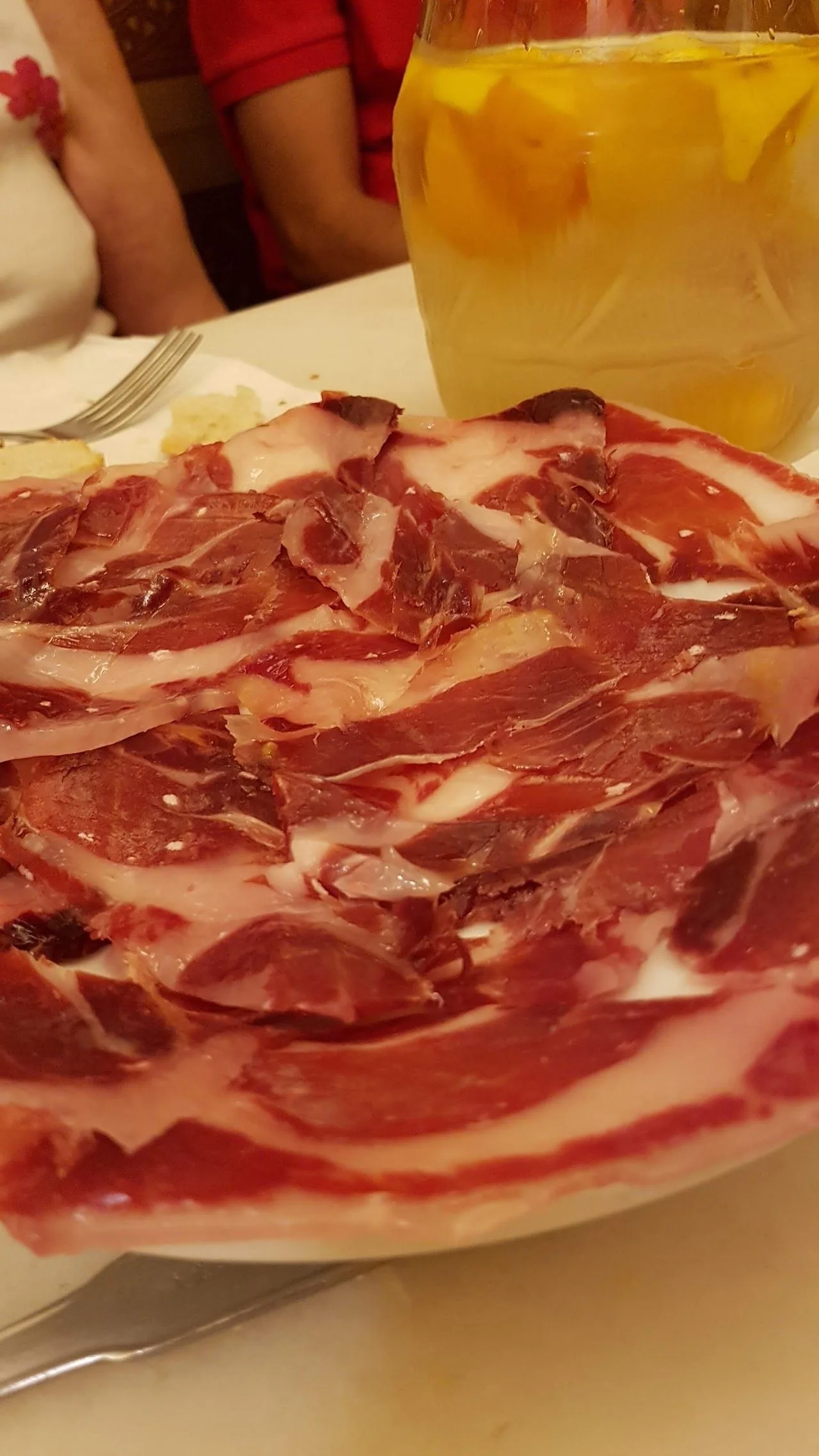
Casa Dani, also known as Vinos 11, has poured wine on Calle Calatrava in Madrid's Palacio quarter since 1861, one of old Madrid's marble-topped tabernas; its own site still trades on that date, describing itself as the place where old Madrid hides, since 1861. The format is classic taberna eating: jamón ibérico de bellota, cheese, lomo, chicharrones, cecina, bonito and conservas, with wine from the bar as the point rather than a kitchen production. There's a bar for standing service, the room reads classic, cosy and rustic, and it carries no Michelin or Guía Repsol distinction, listed here purely as a historic neighbourhood address. It runs under €25 per person and is closed Sundays.
 El Anciano Rey de los Vinos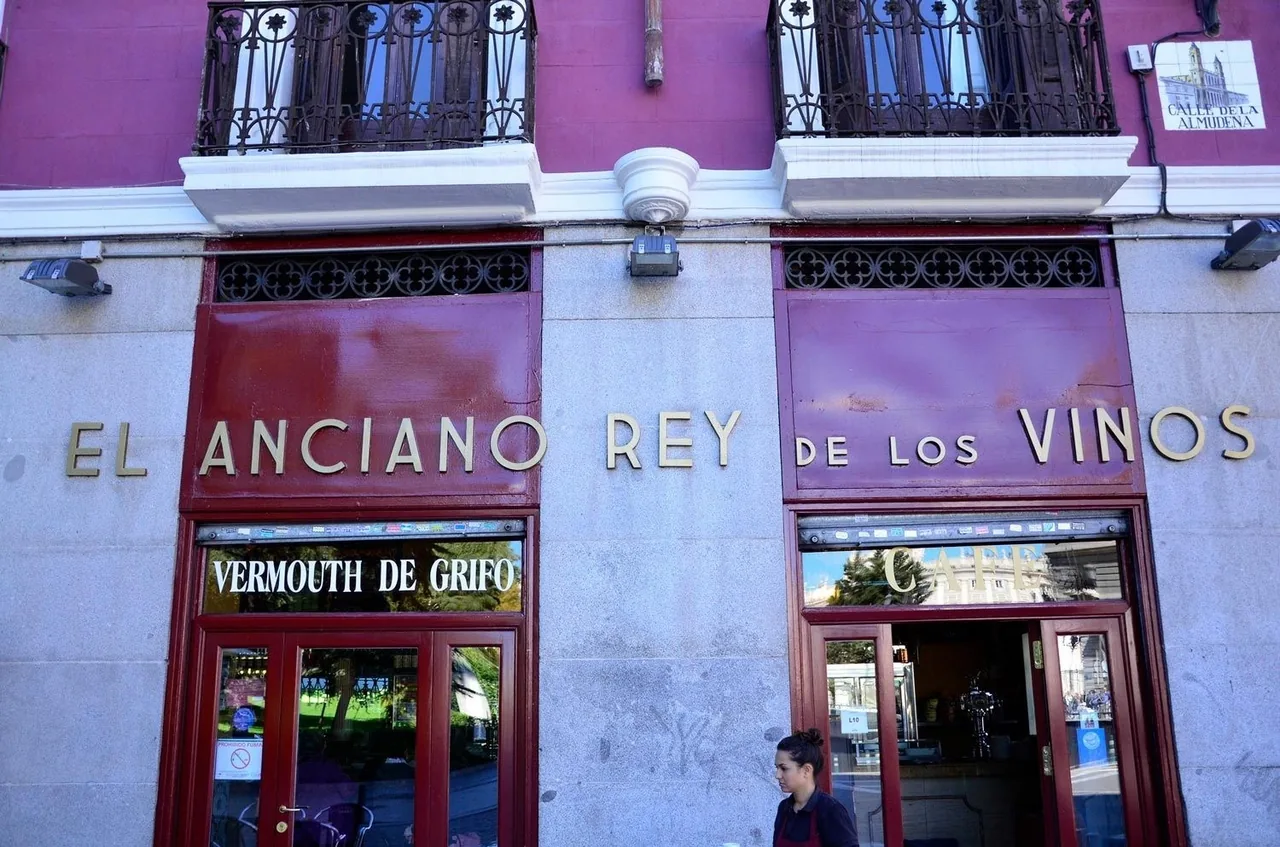
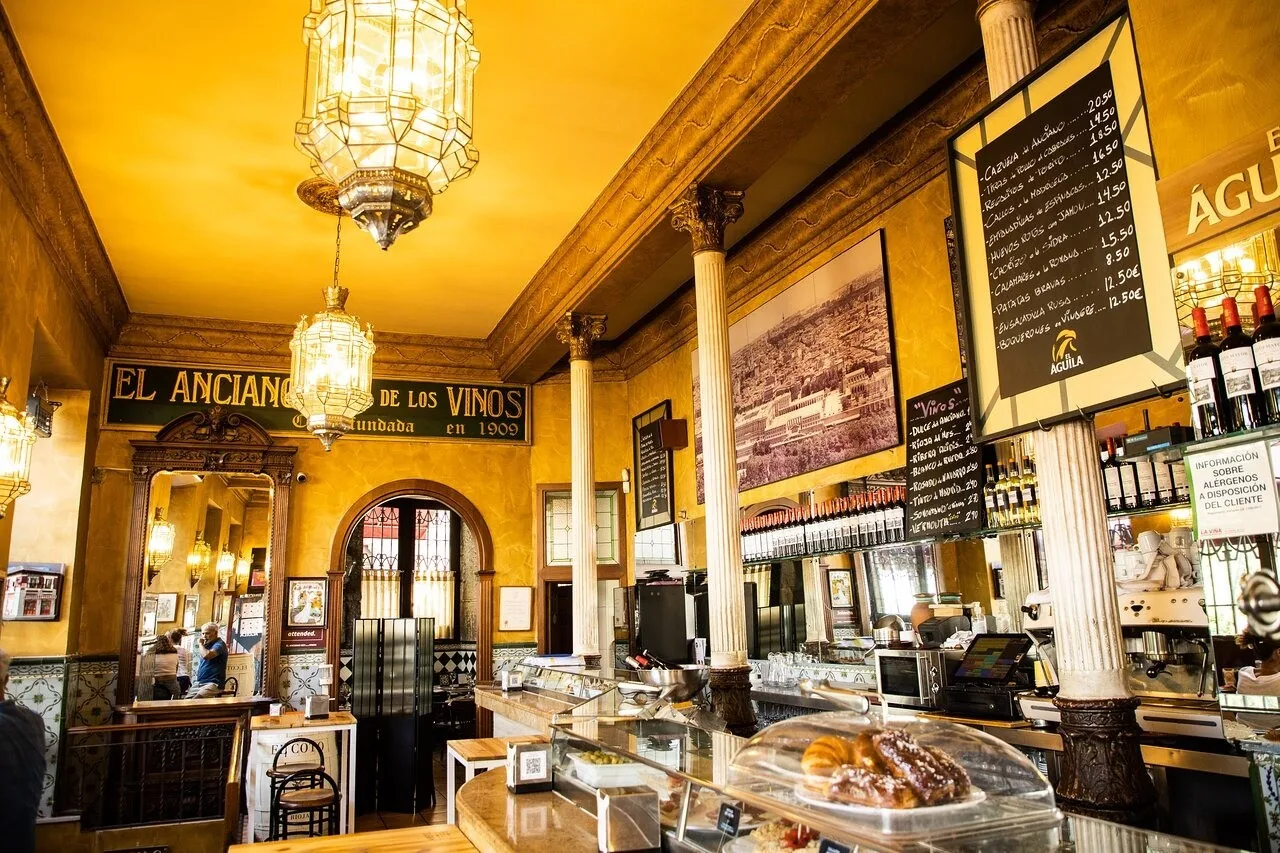
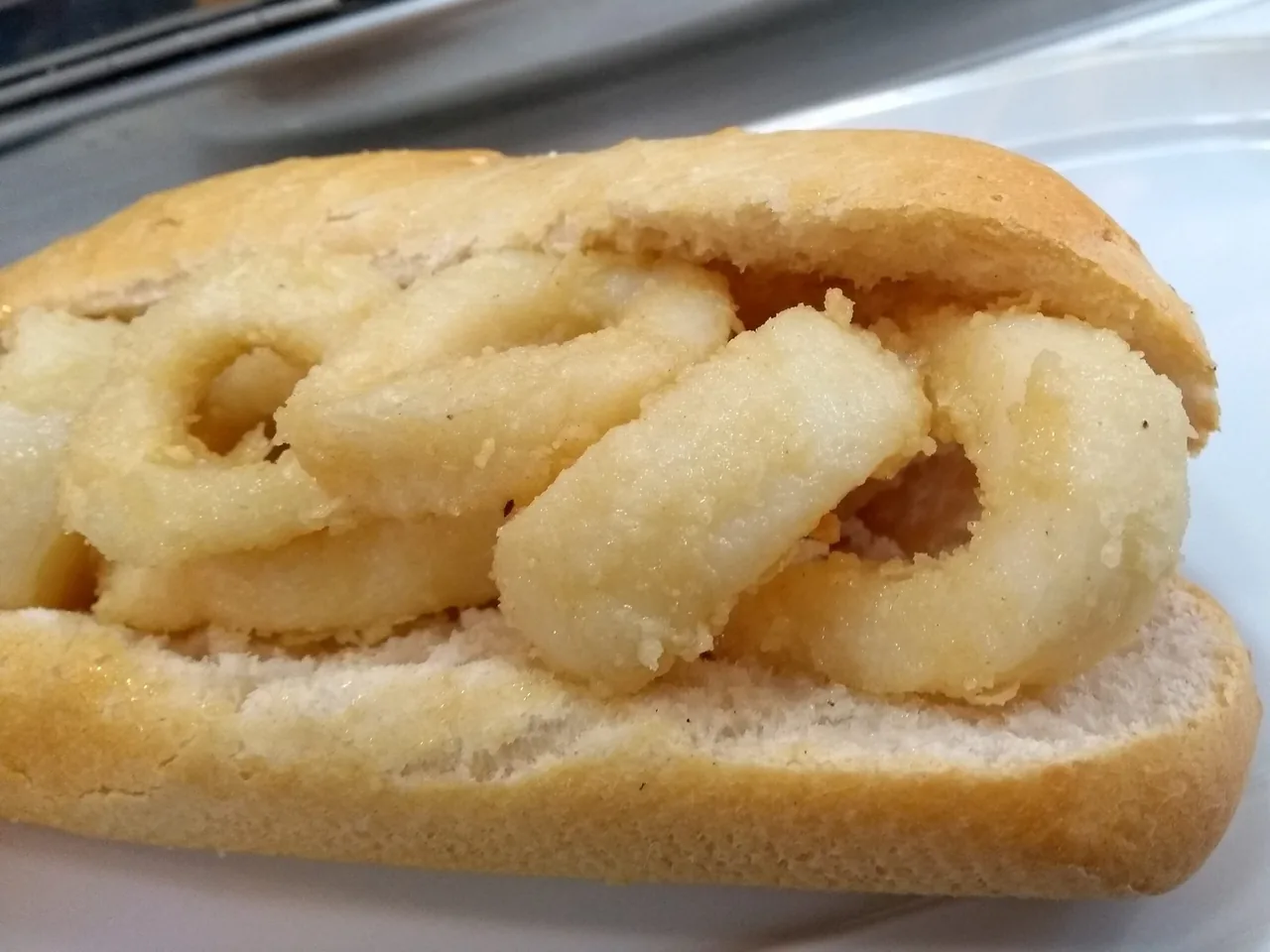
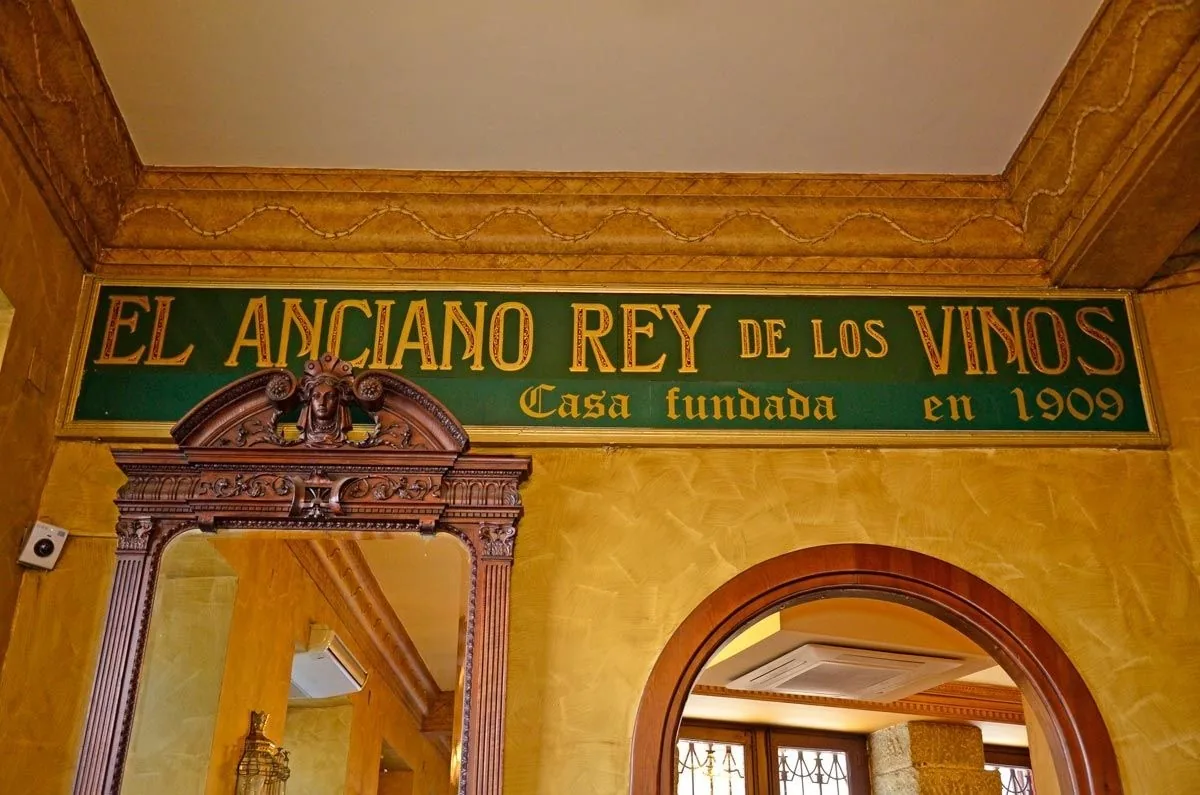
14. El Anciano Rey de los Vinos — Centenary tavern facing the Royal Palace since 1909
El Anciano Rey de los Vinos has run on Calle Bailén in Palacio, facing the Royal Palace area, since 1909, and is on the Ayuntamiento de Madrid's Comercios Centenarios register, holding the Comunidad de Madrid's Establecimiento Centenario designation. Traditional Madrid tavern cooking is served as tapas and sharing plates: patatas bravas at €8.50, callos a la madrileña at €17.50, jamón ibérico at €23.50. There's a bar inside and a terrace outside with a view, and the wine list runs to Rioja, Ribera del Duero and Rueda by the glass or bottle. It's closed Tuesdays, otherwise open roughly 9:30am to 11:30pm.
“Es ya clásico servir aquí su tradicional vino con una galletita y oblea dulce”— Mirador Madrid
 La Tasca Suprema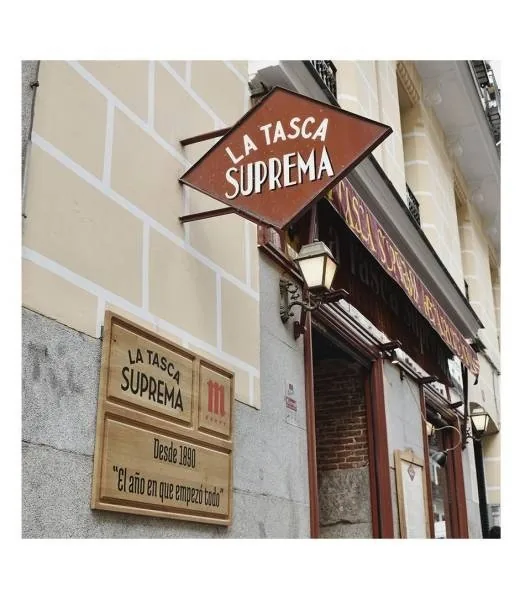
15. La Tasca Suprema — Loud, classic cocina madrileña since 1890 in Justicia
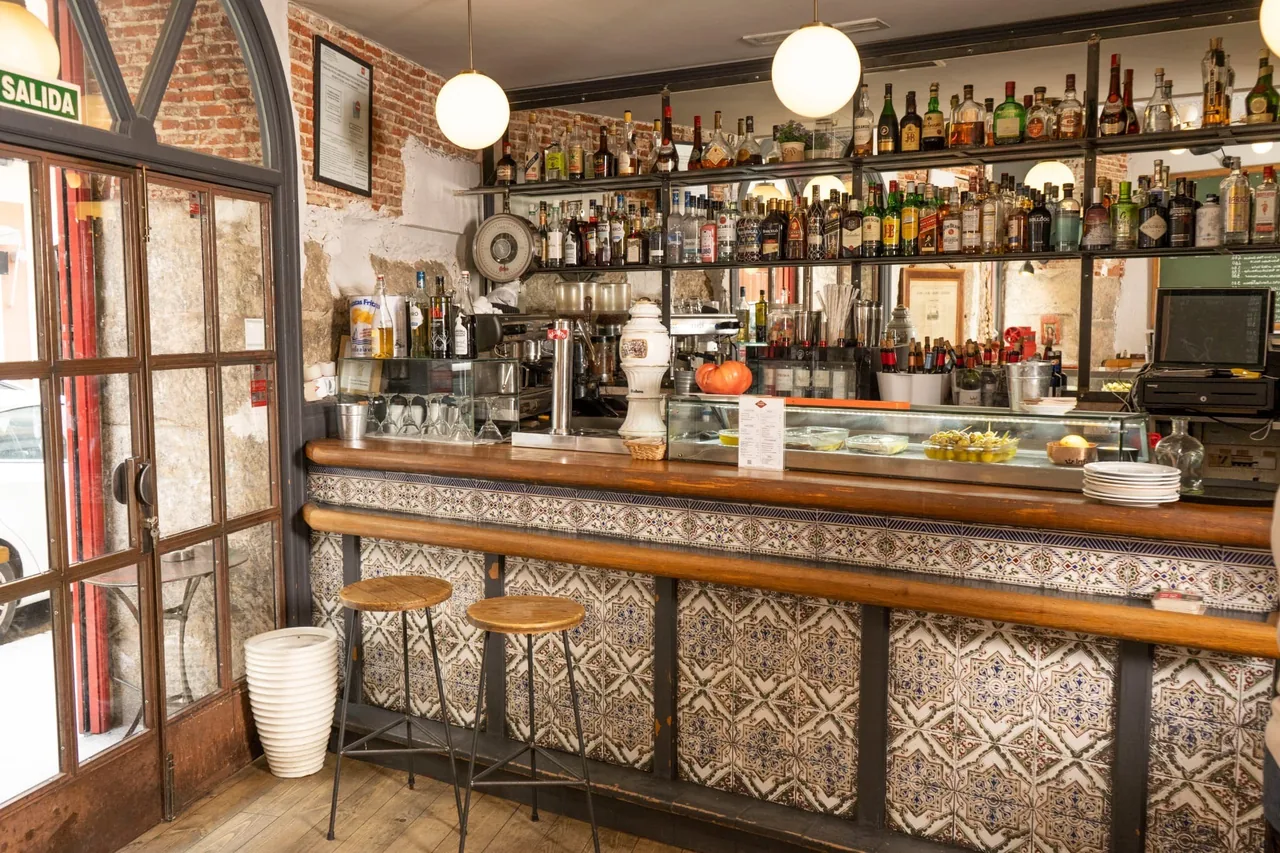
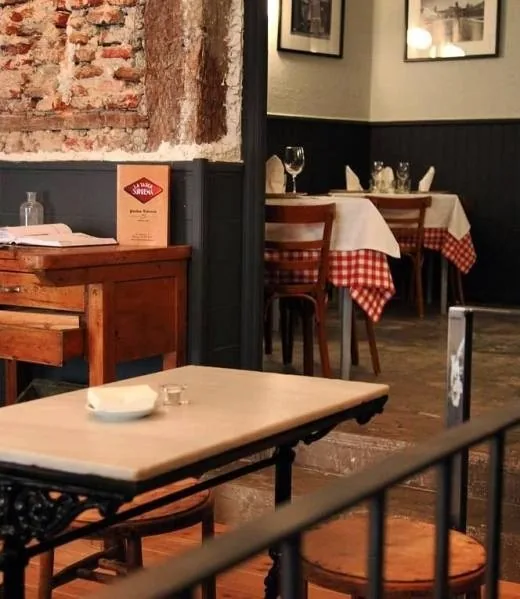
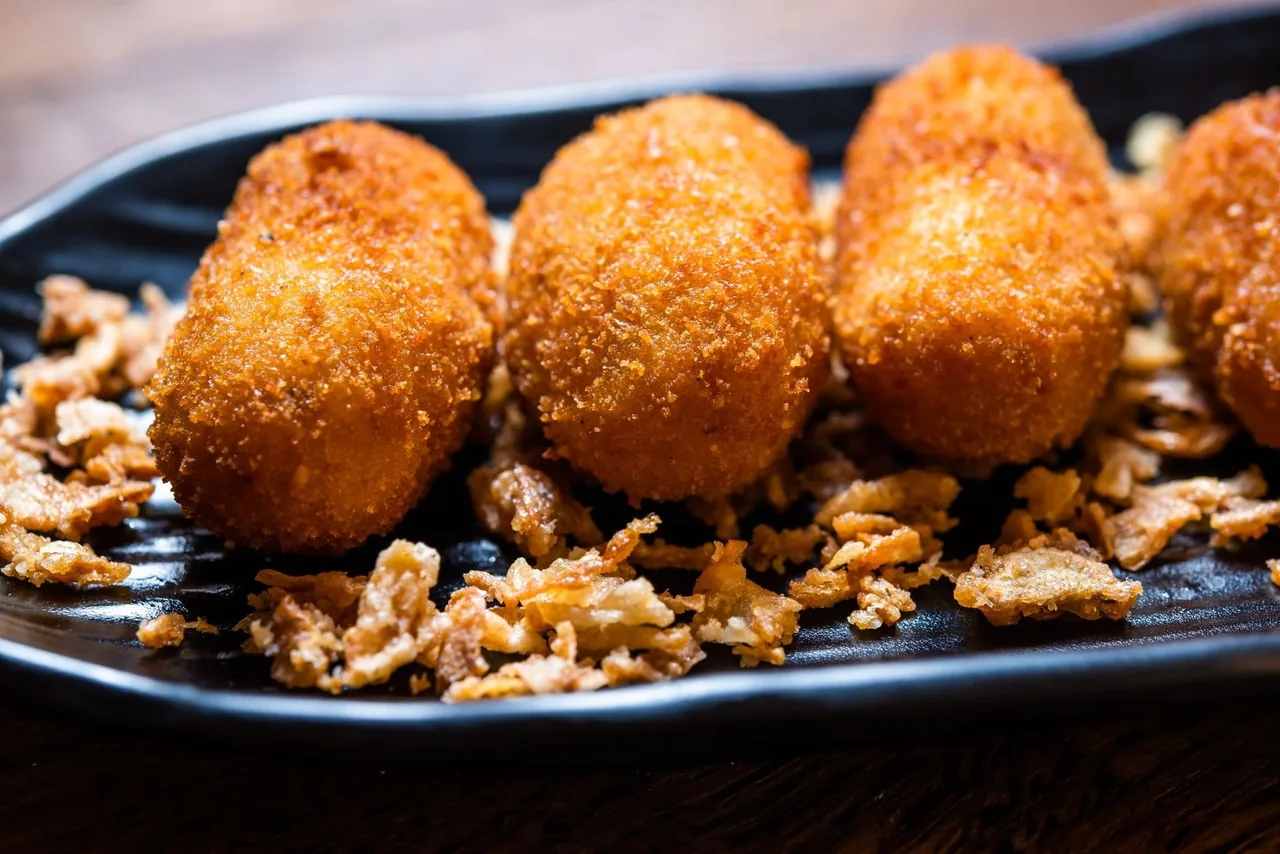
La Tasca Suprema has traded on Calle Argensola in Justicia since 1890, and it still runs on the tasca pattern: a bar, a classic room, two long services a day and plenty of noise between them. According to a local guide, its own name nods to the nearby Tribunal Supremo. The kitchen keeps to cocina tradicional madrileña, callos, cocido and pisto, what the venue itself calls cooking the way it's always been done. A meal runs €26 to €50 per person, with croquetas de jamón ibérico at €9 and callos a la madrileña at €11. It's open Monday to Saturday, 13:00 to 17:00 and 20:00 to midnight.
“Su nombre está influenciado por la proximidad del Tribunal Supremo”— Mirador Madrid
Also worth trying
Honourable Mentions
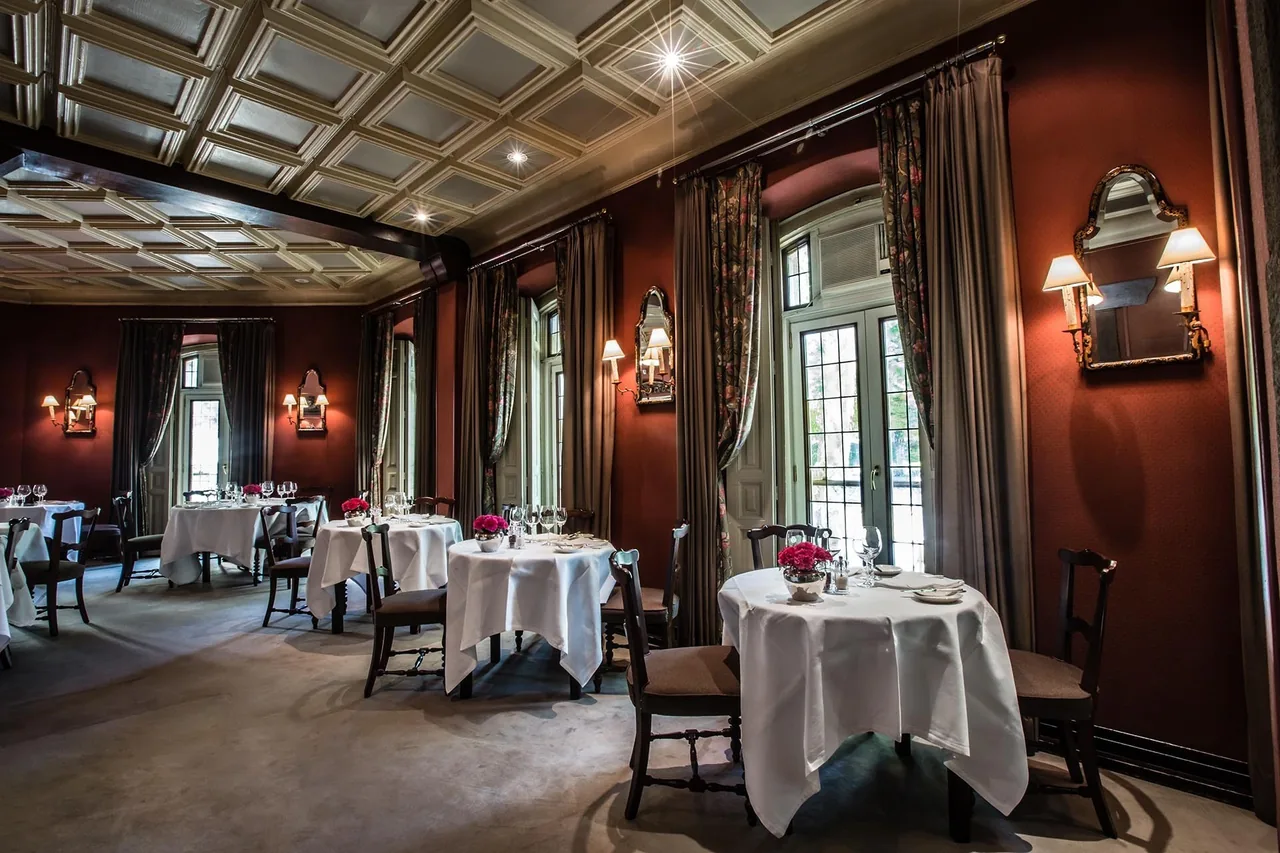
Horcher
Jerónimos
Central European fine dining since 1943 under the Horcher family, though the dining room closed temporarily from June 2026 for structural work; check it has reopened before booking.
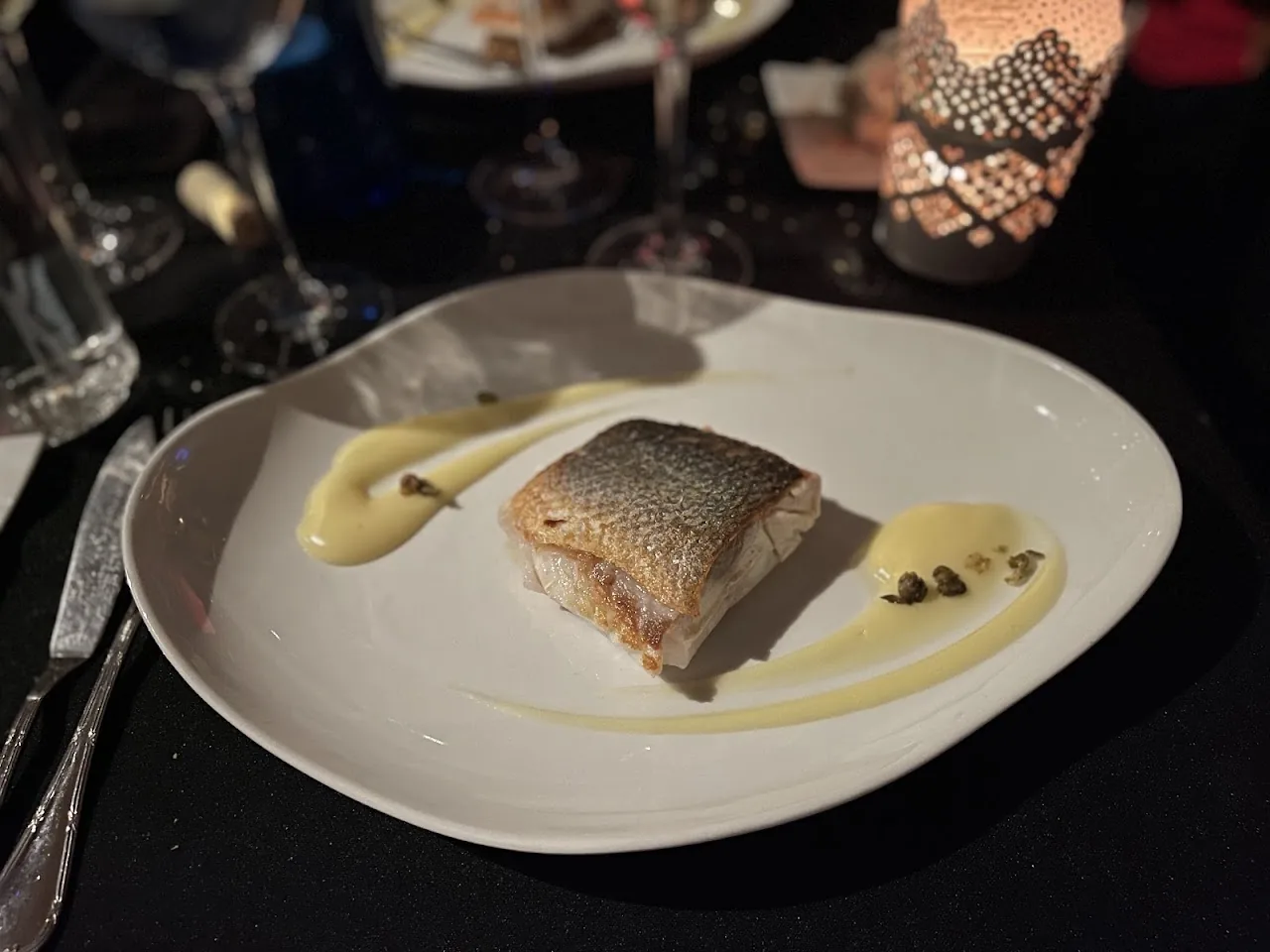
Corral de la Morería
Austrias
Madrid's flamenco tablao since 1956, pairing nightly shows with a dining menu; its separate four-table Corral de la Morería Gastronómico holds a Michelin star.
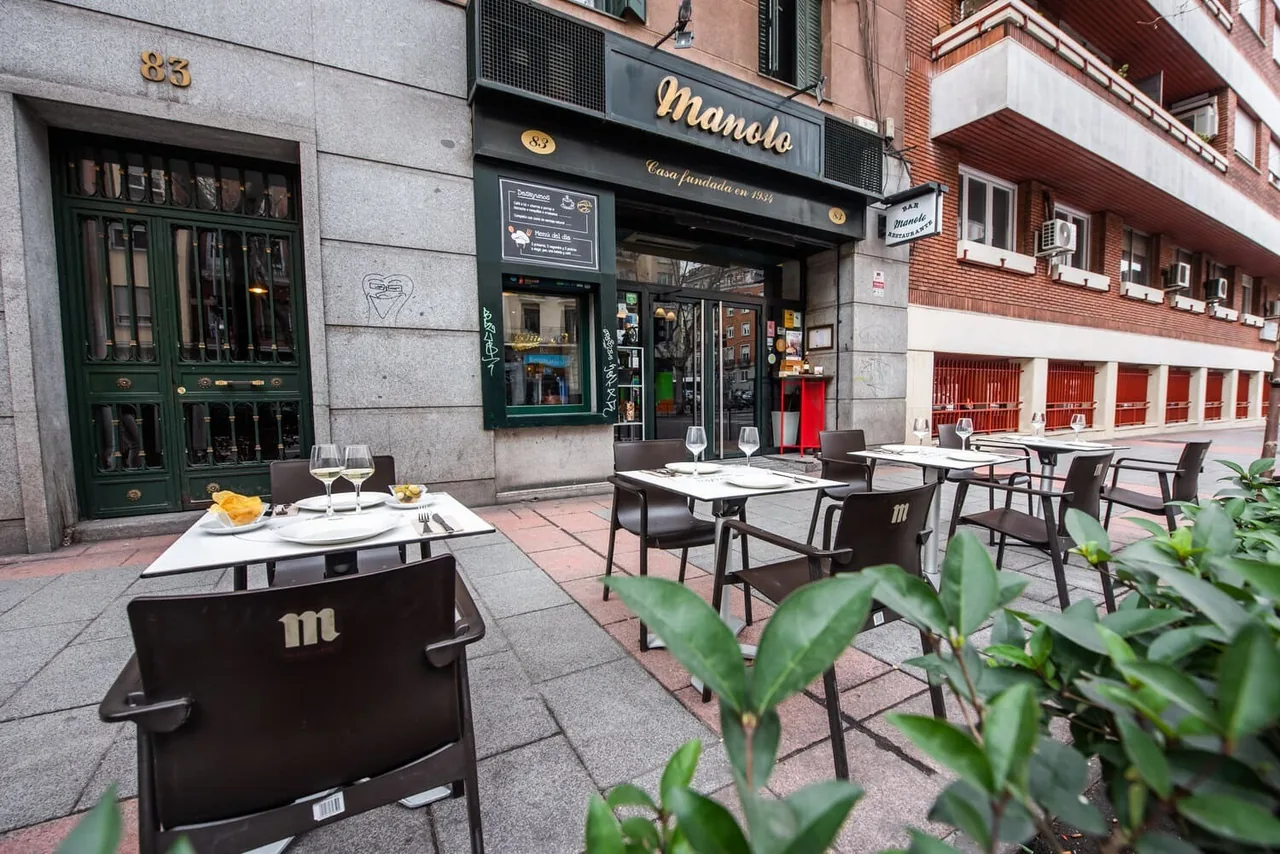
Manolo 1934
Argüelles
Traditional Madrileño and Galician cooking in Argüelles since 1934, holding a Repsol Solete.
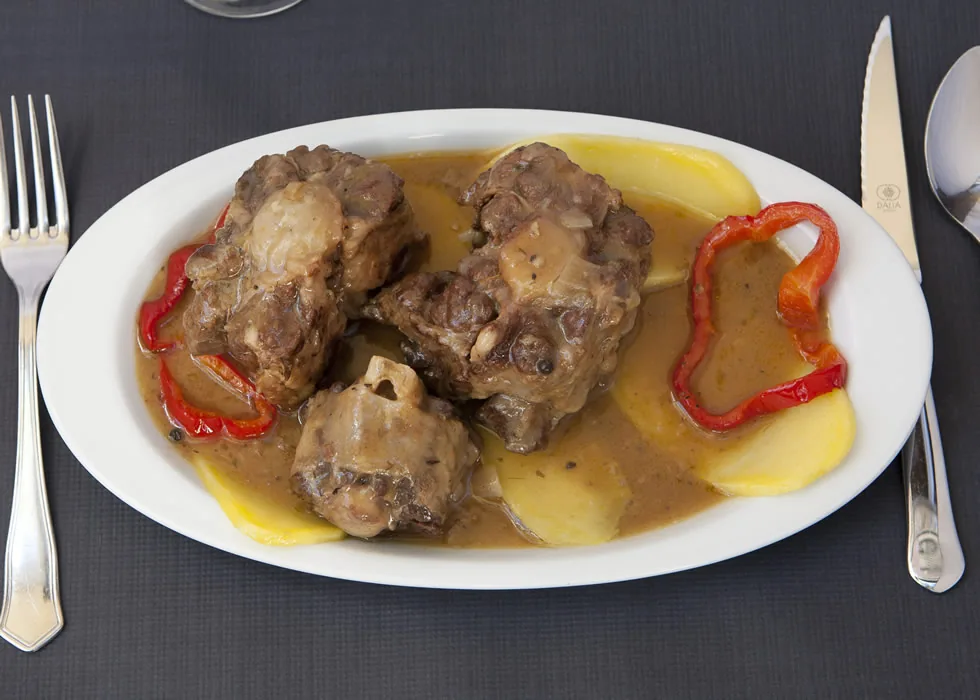
Viuda de Vacas
La Latina
A traditional casa de comidas in La Latina since 1887, on the Comercios Centenarios register.
The bigger picture
The historic restaurants Scene in Madrid
Madrid's historic dining scene splits into a few recognisable strands. There are the roast houses built around a wood-fired oven, Botín, Casa Pedro, Los Galayos, Las Cuevas de Luis Candelas, most tracing back to inns that fed travellers on the roads into the city. There are the taberna centenarias, small bar-and-dining-room addresses like Casa Labra, Bodega La Ardosa, Casa Alberto and Casa Dani / Vinos 11, built around a counter, a short menu and, in several cases, a century-old vermut or wine habit that hasn't changed. There are the grand dining rooms, Lhardy since 1839 and Zalacaín since 1973, that hosted Madrid's political and literary life rather than its neighbourhood regulars. And there is the café, Café Comercial, which became a fixture for Madrid's writers. Two official registers, the Asociación de Restaurantes y Tabernas Centenarios de Madrid and the Ayuntamiento's Comercios Centenarios list, formalise membership in this world, though plenty of Madrid's oldest addresses, Malacatín and Casa Ciriaco among them, don't yet have a page on Guidavera to draw from.
Practical tips
Know before you go
A short survival guide for eating historic restaurants in Madrid— everything we wish we’d known on our first trip.
- 1
Some of these don't take reservations
Casa Labra and several of the classic tabernas on this list are walk-in only, with separate counters for ordering food and drink at Casa Labra specifically. Expect to queue at peak lunch and dinner hours.
- 2
Historic doesn't mean expensive
Casa Labra, La Tasca Suprema, Bodega La Ardosa and Viva Madrid all run under €25 to €50 a head. The grand dining rooms, Lhardy, Zalacaín and Casa Lucio, sit at the other end, over €50 to €100-plus per person.
- 3
Check hours before a special trip
Several of these close on Sundays, Mondays or for all of August. Casa Alberto and Casa Dani / Vinos 11 close on different days of the week, and Zalacaín closes throughout August, so confirm current hours before booking.
- 4
Look for the plaque
Businesses on the Ayuntamiento de Madrid's Comercios Centenarios register carry a small plaque marking the distinction. Casa Alberto, El Anciano Rey de los Vinos and several others on this list display theirs near the entrance.
Know the terms
Glossary
The vocabulary you need to order historic restaurants in Madrid like a local.
- Taberna centenaria
- A century-old Madrid tavern, typically built around a counter, wine or vermouth on tap, and a short menu of classics like callos, croquetas and bacalao.
- Casa de comidas
- A plain, home-style eating house, historically serving travellers and workers a fixed menu of stews and roasts rather than an à la carte production.
- Comercios Centenarios
- The Ayuntamiento de Madrid's register of businesses, not only restaurants, that have operated in the city for a hundred years or more; the Comunidad de Madrid recognises the same status as Establecimiento Centenario.
- Cocido madrileño
- Madrid's signature stew, chickpeas, meats and vegetables simmered together and served in separate courses (vuelcos): broth first, then vegetables and chickpeas, then the meats.
Questions
Frequently Asked Questions
All restaurants on this list were independently verified as open and serving the dishes described as of .
What is the oldest restaurant in Madrid?
+
Guinness World Records lists Botín, on Calle de Cuchilleros, as the oldest restaurant in the world, open since 1725. Its cochinillo still comes out of the original firewood oven.
What does 'restaurante centenario' mean?
+
A business that has operated for at least a hundred years. Madrid formalises the status through the Asociación de Restaurantes y Tabernas Centenarios de Madrid and the Ayuntamiento's separate Comercios Centenarios register.
Which Madrid restaurant is connected to Cervantes?
+
Casa Alberto, on Calle de las Huertas in Barrio de las Letras. The current building stands on an earlier one where Miguel de Cervantes lived, and the Restaurantes Centenarios association says he wrote part of the second Don Quixote there.
Where was Spain's Socialist Party founded?
+
At Casa Labra, the bacalao taberna in Sol that's served since 1860. The PSOE was founded within its walls in 1879.
Which historic Madrid restaurant was Spain's first with three Michelin stars?
+
Zalacaín, open in El Viso since 1973, became the first restaurant in Spain to earn three Michelin stars under founding chef Benjamín Urdiaín. It's now run by Grupo Urrechu and holds one Repsol Sol.
Which of Madrid's historic restaurants is a literary landmark?
+
Café Comercial on Glorieta de Bilbao, open since 1887, became a fixture for Madrid's writers, poet Antonio Machado among them.
Are Madrid's historic restaurants expensive?
+
Not necessarily. Casa Labra, La Tasca Suprema, Bodega La Ardosa and Casa Dani / Vinos 11 all run under €25 to €50 a head. The grand dining rooms, Lhardy, Zalacaín and Casa Lucio, run well over €50, into the €100-plus range at Zalacaín.
Which Madrid classics are missing from this list?
+
Several well-known centenarian names, Malacatín, Casa Ciriaco, Antonio Sánchez, La Bola and Casa Mingo among them, don't have a Guidavera page yet, so we've left them out rather than write about them without having done the research.
Explore
Map

About the author
Justin Mota
Guidavera founder
Justin Mota is the founder of Guidavera. He has lived in Spain for over 10 years and runs a native AI agency alongside building this platform. Food has always been the way Justin connects with friends, and Guidavera started as the list he kept sending to everyone visiting Barcelona. He built it for himself and his friends first, and now hopes it can transform the way people discover great food experiences everywhere.
More about Justin→