 Photo: Botín
Best Traditional Madrilenian Restaurants
Introduction
The Madrid castizo List We Send to Friends
Castizo cooking is Madrid's own repertoire: callos a la madrileña, huevos rotos, cocido, roast lamb and suckling pig, plus the casquería, gallinejas and oreja that show up on fewer cartas outside the city. Seventeen Madrid restaurants make this list, from Botín on Calle de Cuchilleros, which Guinness World Records lists as the oldest restaurant in the world, open since 1725, to La Oreja de Jaime near Puerta del Sol, a bar built around nothing but grilled pig's ear.
The short answer
Key Picks at a Glance
In a hurry? These are the essential picks from our full ranking below.
- Best-known castizo landmarkBotín
Guinness World Records' oldest restaurant in the world, roasting cochinillo since 1725.
- Best huevos rotosCasa Lucio
the dish that made this Cava Baja tavern famous since 1974.
- Best taberna centenariaCasa Alberto
1827 founding, on the site where Cervantes is said to have lived.
- Best single-dish specialistLa Oreja de Jaime
a bar near Puerta del Sol built around one dish, grilled pig's ear.
- Best neighbourhood casqueríaDe la Riva
offal-focused casa de comidas by the Mercado de Chamartín since 1932.
Before you order
A Guide to castizo in Madrid
What does castizo mean?
Castizo describes something distinctly and traditionally of Madrid, the food, the accent, the attitude. Applied to a restaurant, it usually signals a kitchen that cooks Madrid's own repertoire rather than dishes borrowed from other Spanish regions: cocido, callos, huevos rotos, roast meats and the offal dishes that go under the umbrella term casquería.
What is a casa de comidas?
A casa de comidas is a traditional, home-style Spanish eating house built around a short, changing menu of stews and simple cooked dishes rather than an a la carte restaurant format. Several restaurants on this list, including La Ancha and De la Riva, work this way, with the carta changing daily around what's fresh at market.
What is casquería?
Casquería is the Spanish term for offal, the parts of the animal beyond the prime cuts: tripe, brains, sweetbreads, kidneys, trotters, ears and tails. It's a foundational part of Madrid's own cooking tradition, showing up as callos a la madrileña, gallinejas, oreja and rabo de toro across this list.
What's the difference between a taberna and a restaurant on this list?
A taberna is built around a bar first, drinks and small plates served standing or at high tables, with a kitchen menu that may or may not run to full sit-down meals. Several entries here, including Casa Lucio and Bodega La Ardosa, work as both at once, a bar up front and a dining room behind it.
How We Built This List
Years of Eating, Asking, and Going Back
We built this list by reading Spanish-language coverage of Madrid's castizo restaurant scene, including pieces from Madrid Secreto, Macarfi and Gastroactitud, and cross-checking every restaurant those sources named against the Madrid restaurants we've profiled, keeping only those currently open. A restaurant made this list only if we've profiled it and its own detail page or menu independently confirms a genuine castizo dish, not just a passing mention, as something it cooks. Several well-known names came up repeatedly in the source coverage, including La Bola, Malacatín and Casa Ciriaco, but aren't included here because we haven't published full pages for them yet, and we'd rather leave a gap than guess at their current details. Where a claim only appeared in a single article and we couldn't confirm it independently, we left it out rather than repeat it as fact.
More on how we rank: our methodology and quality standards.
At a glance
The 17 Best traditional Madrilenian cooking, Compared
Quick reference table. Click any name to jump to the full review.
| # | Restaurant | Neighbourhood | Price | Distinction | Signature dish |
|---|---|---|---|---|---|
| 1 | Botín | Palacio | €€€ | Repsol Recommended | Roast suckling pig (cochinillo asado) |
| 2 | Casa Lucio | La Latina | €€€ | 1 Repsol Sol | Huevos estrellados (huevos rotos) |
| 3 | Casa Alberto | Barrio de las Letras | €€€ | Repsol Recommended | Callos a la Madrileña |
| 4 | Lhardy | Sol | €€€ | Repsol Recommended | Cocido Madrileño |
| 5 | Bodega La Ardosa | Universidad | € | — | Tortilla de patatas |
| 6 | Los Galayos | Sol | €€ | Repsol Recommended | Callos a la Madrileña |
| 7 | Café Comercial | Malasaña | €€ | Repsol Solete | Thursday cocido (twelve-hour broth) |
| 8 | La Posada de la Villa | Palacio | €€ | — | Quarter of lamb roasted in a wood-fired oven |
| 9 | Casa Pedro | Valverde | €€ | Repsol Recommended | Madrid-style snails |
| 10 | La Oreja de Jaime | Sol/Centro | €€ | — | Oreja a la plancha |
| 11 | Casa Salvador | Chueca / Justicia | €€ | Repsol Recommended | Merluza rebozada (breaded hake) |
| 12 | Bodegas Rosell | Delicias | € | Repsol Solete | Madrid-Style Tripe |
| 13 | La Tasca Suprema | Justicia | €€ | — | Madrid-Style Tripe |
| 14 | La Ancha | Cortes | €€ | Repsol Solete | Escalope Armando |
| 15 | Casa Ricardo | Arapiles | €€ | — | Rabo de toro |
| 16 | Casa Mundi | Arapiles | €€ | — | Callos a la Madrileña |
| 17 | De la Riva | Hispanoamérica | €€ | Repsol Recommended | Tortilla de Patata con Callos |
The ranking
17 Best traditional Madrilenian cooking in Madrid
 Botín
Botín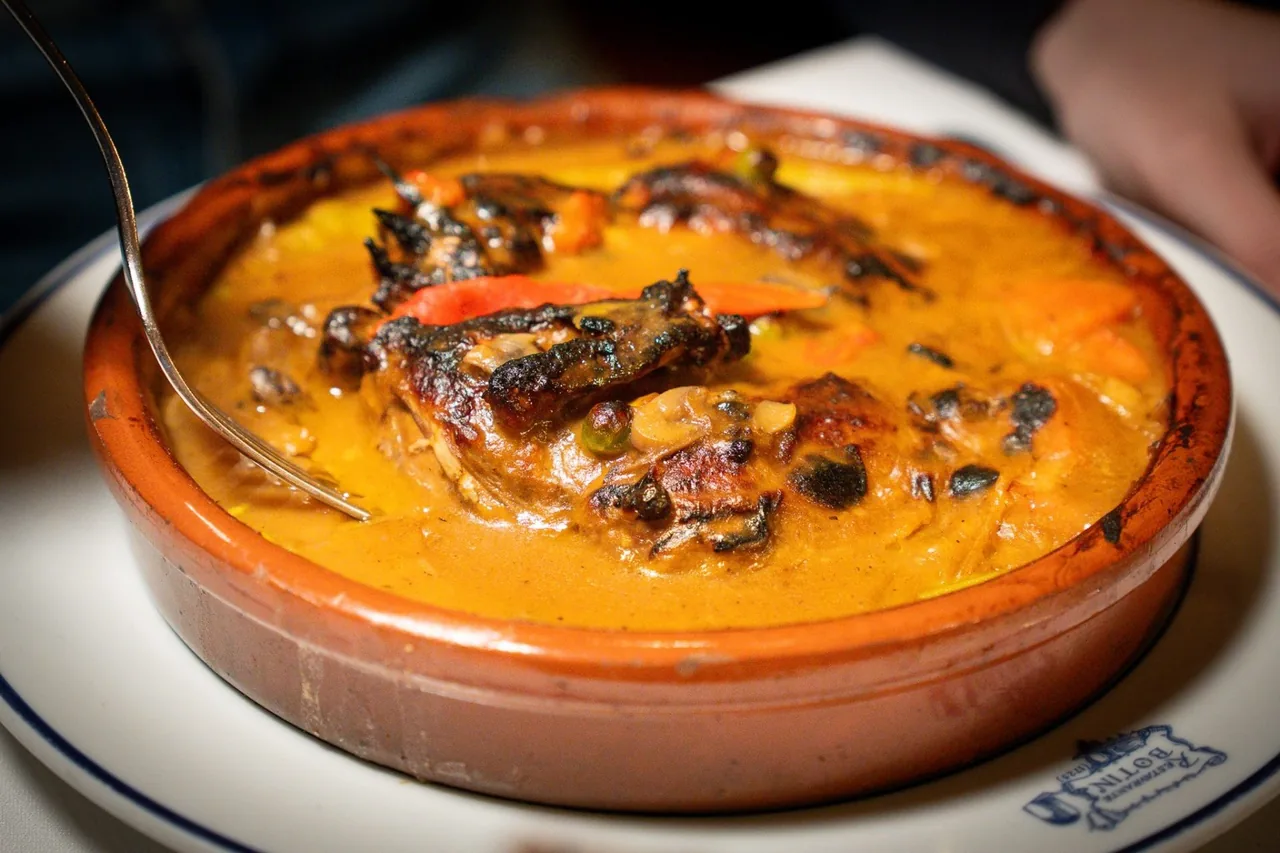
1. Botín — Guinness's oldest restaurant in the world, roasting cochinillo since 1725
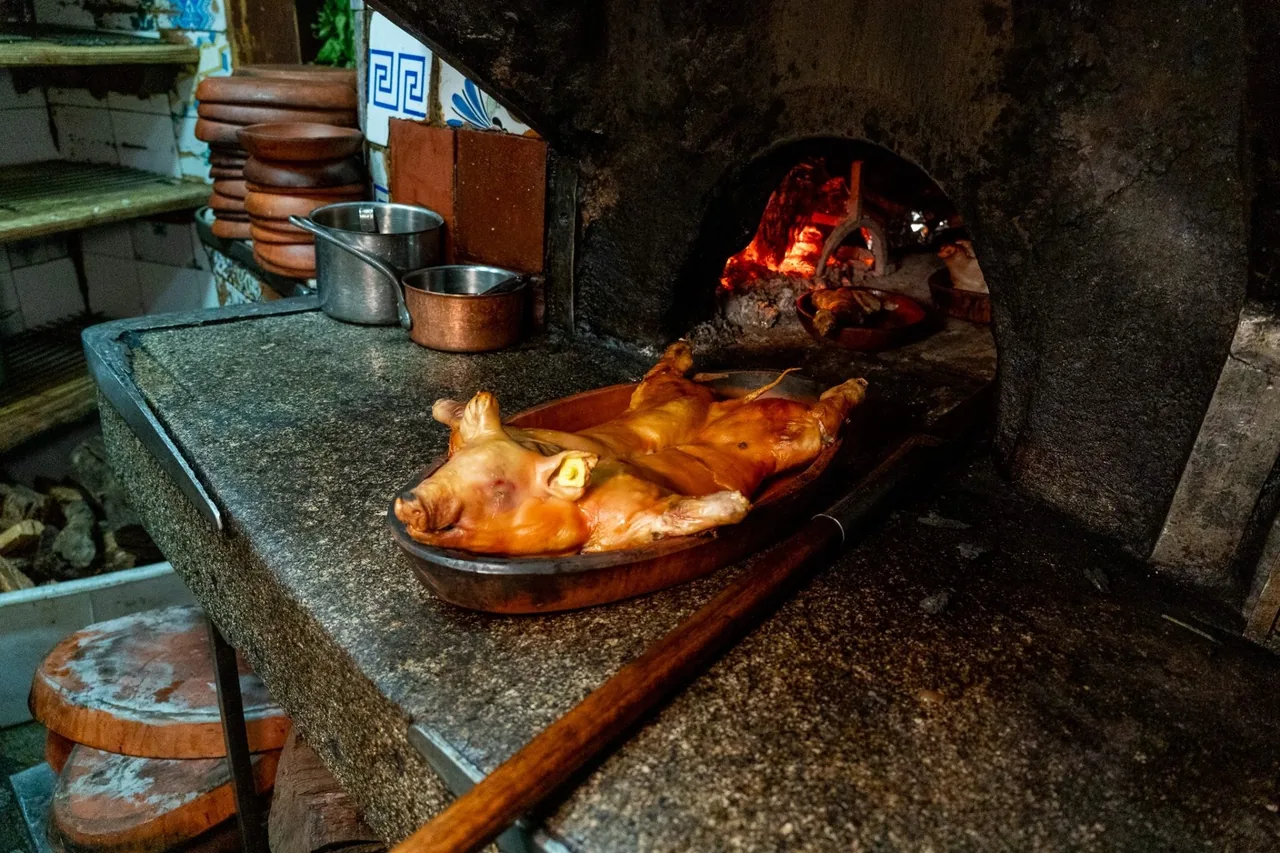
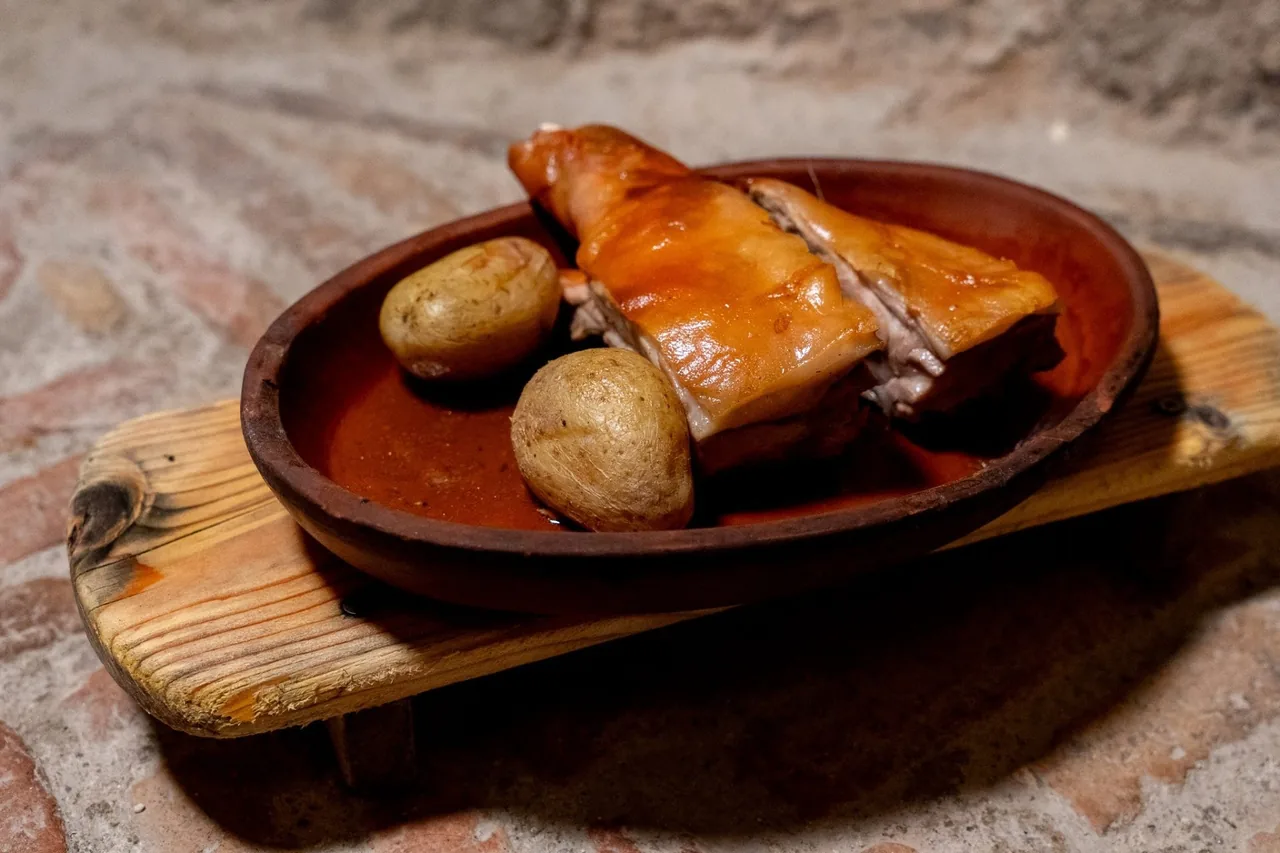
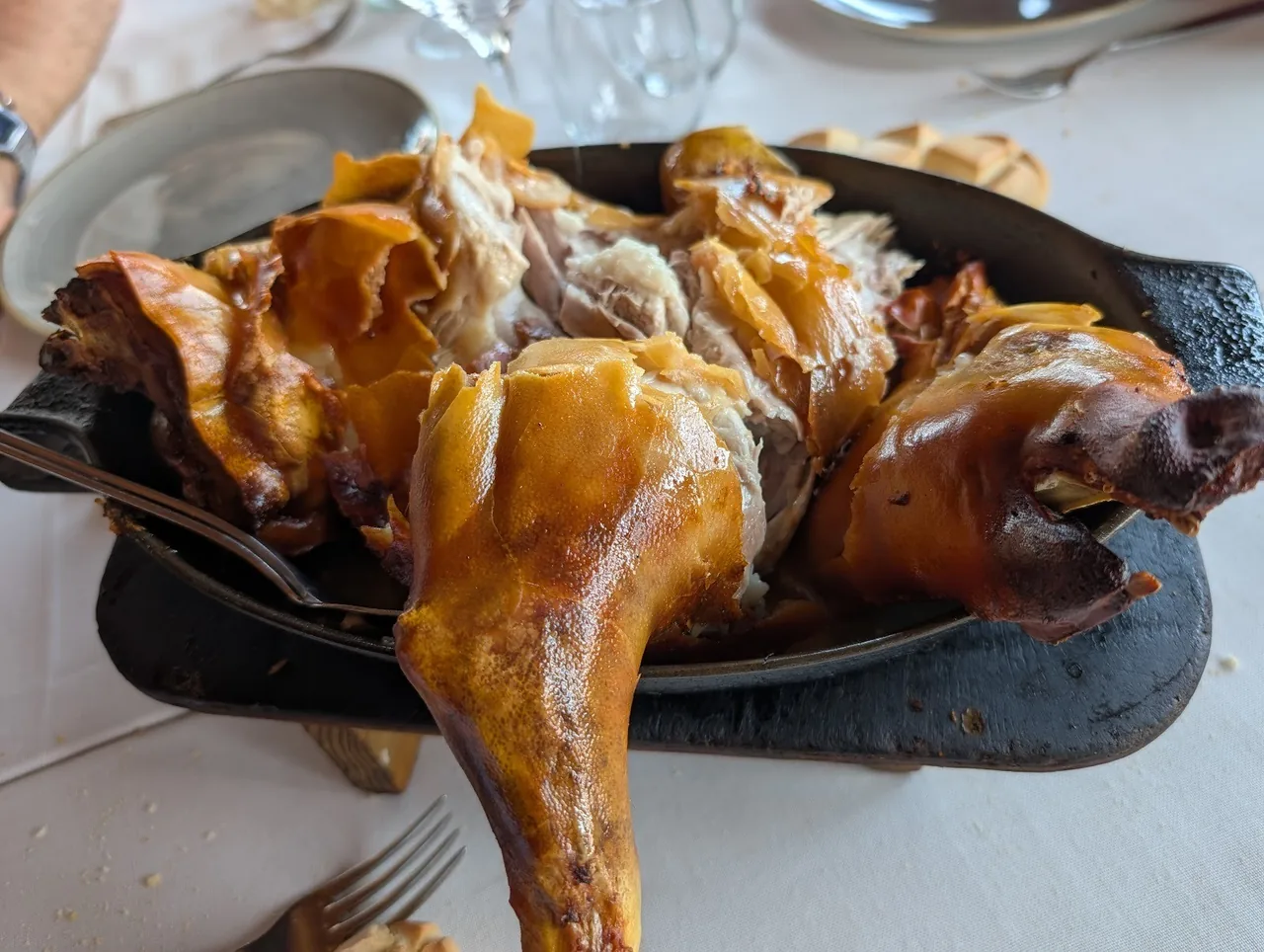
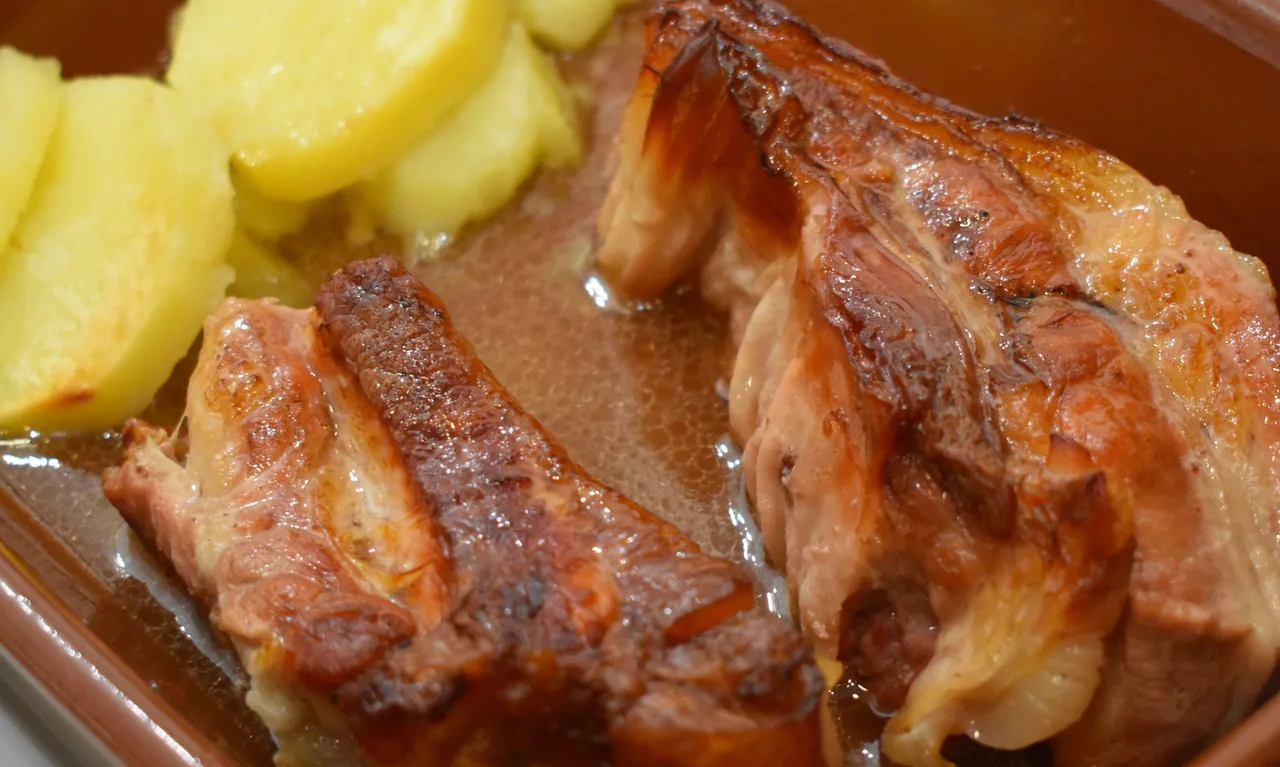
Botín has cooked on Calle de Cuchilleros, near Plaza Mayor in the Palacio neighbourhood, since 1725, and Guinness World Records lists it as the oldest restaurant in the world. Roast suckling pig, cochinillo asado, is the dish it's known for, still pulled from the same firewood oven, and the building keeps its eighteenth-century interiors across four floors. It holds a Repsol Recomendado. The carta runs wide around the roast: callos a la Madrileña, free-range chicken in pepitoria sauce, garlic soup with egg and ham, and a whole roast lamb alongside the cochinillo. Desserts stay classic, a sponge-and-cream Botín cake and crema catalana among them.
“Casa Botín es incombustible: el restaurante más antiguo del mundo, rey del Madrid de los Austrias”— Madrid Secreto
 Casa Lucio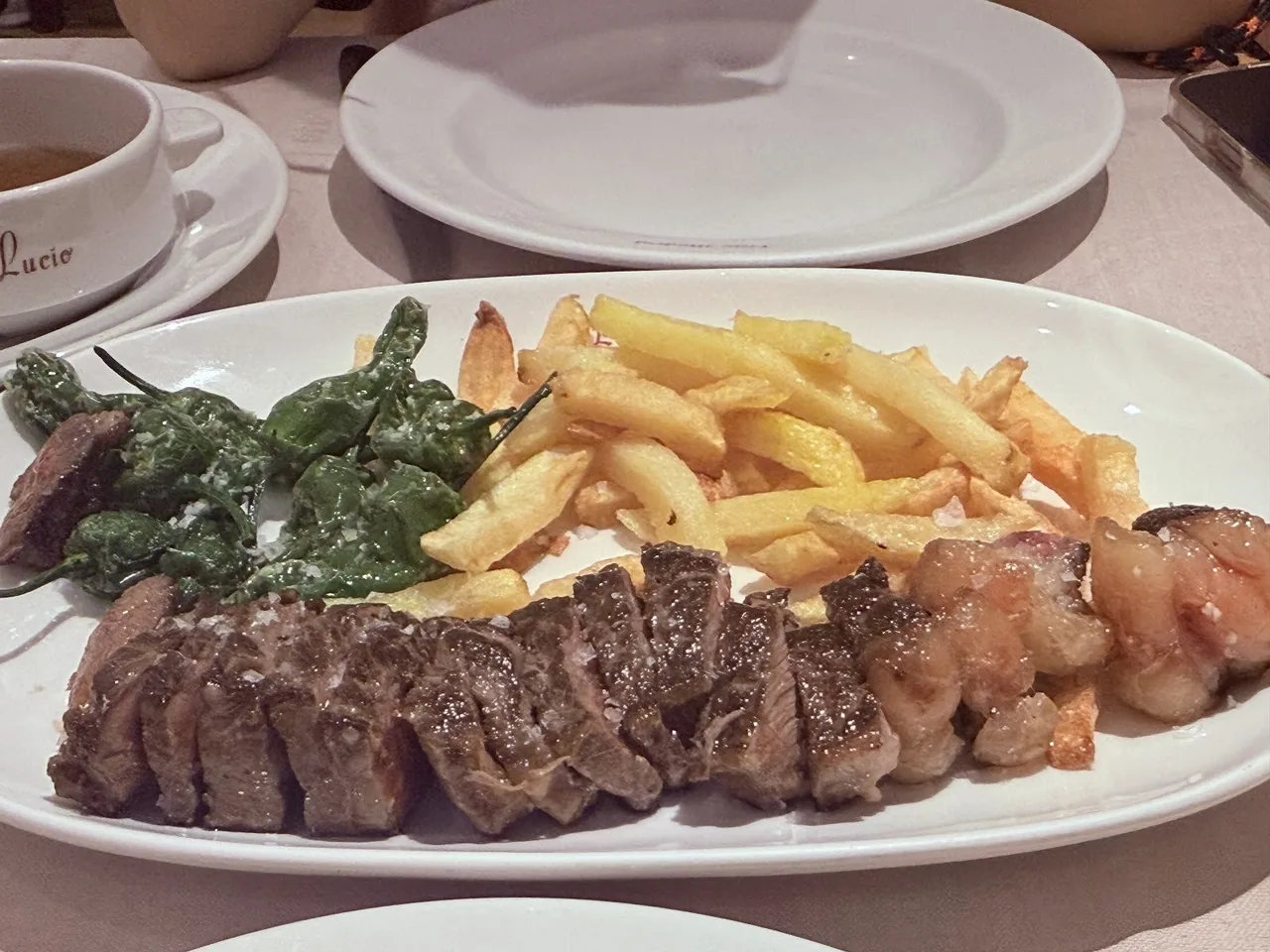
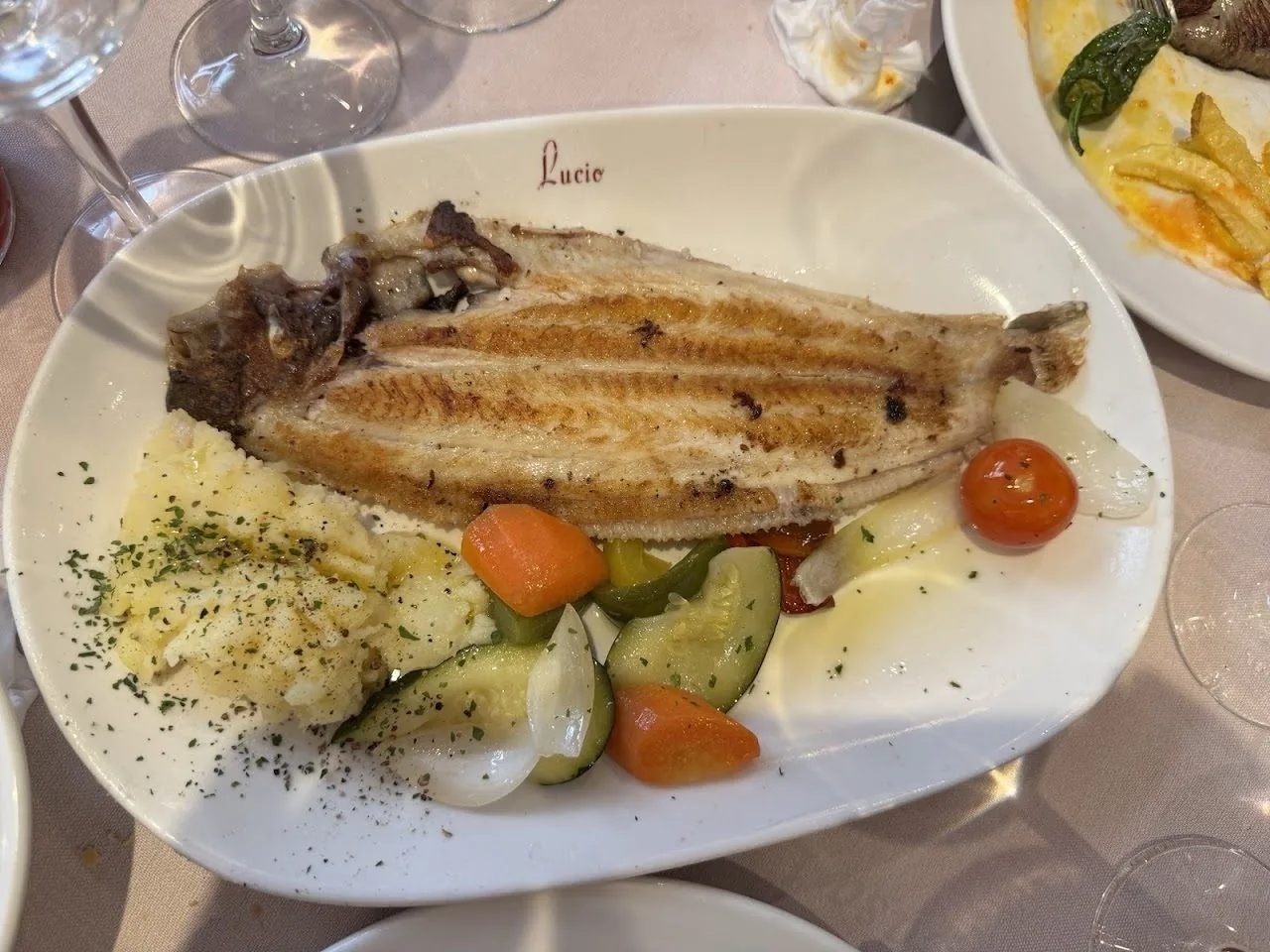
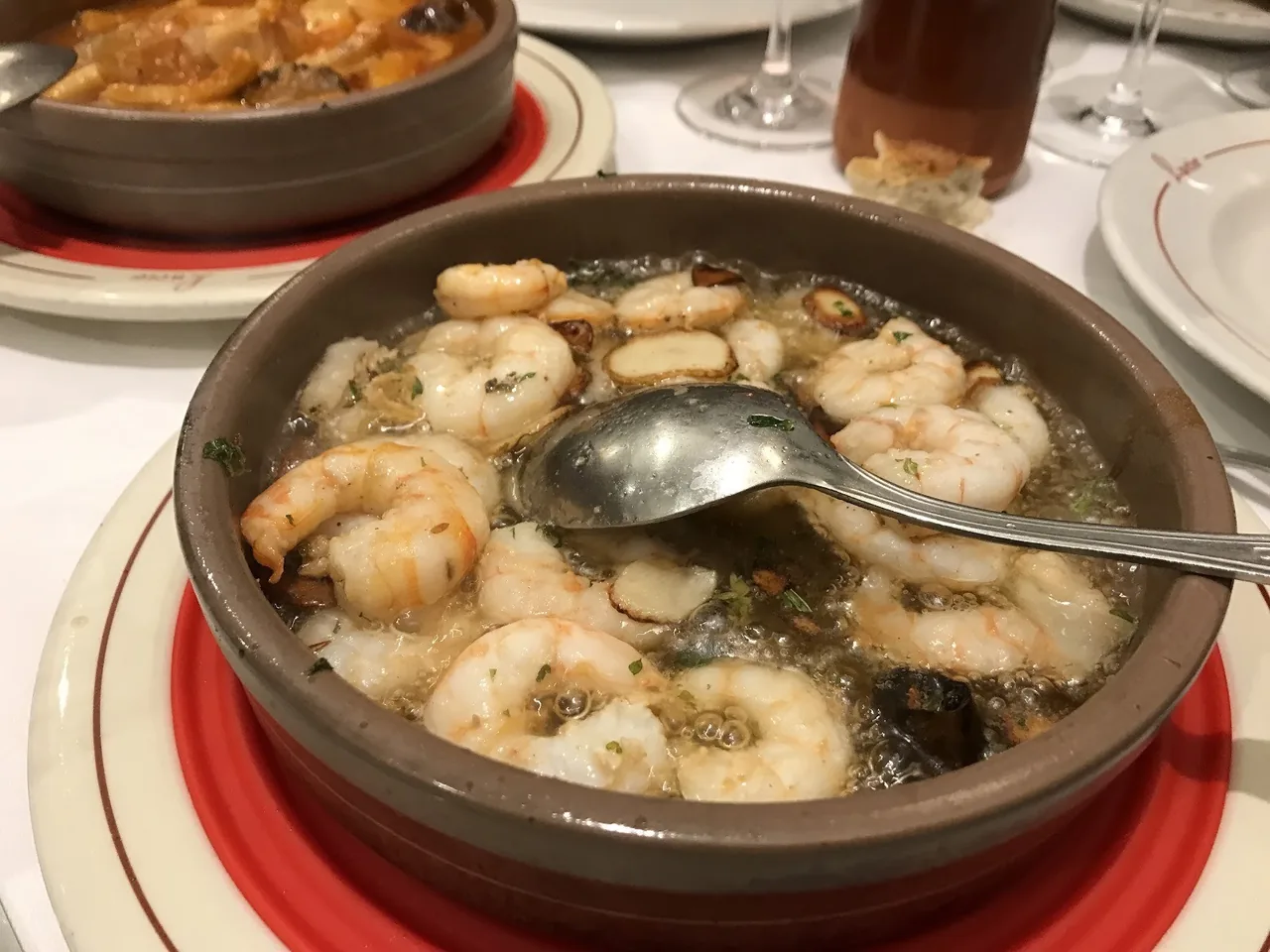
2. Casa Lucio — Huevos rotos icon on Cava Baja since 1974
 Repsol
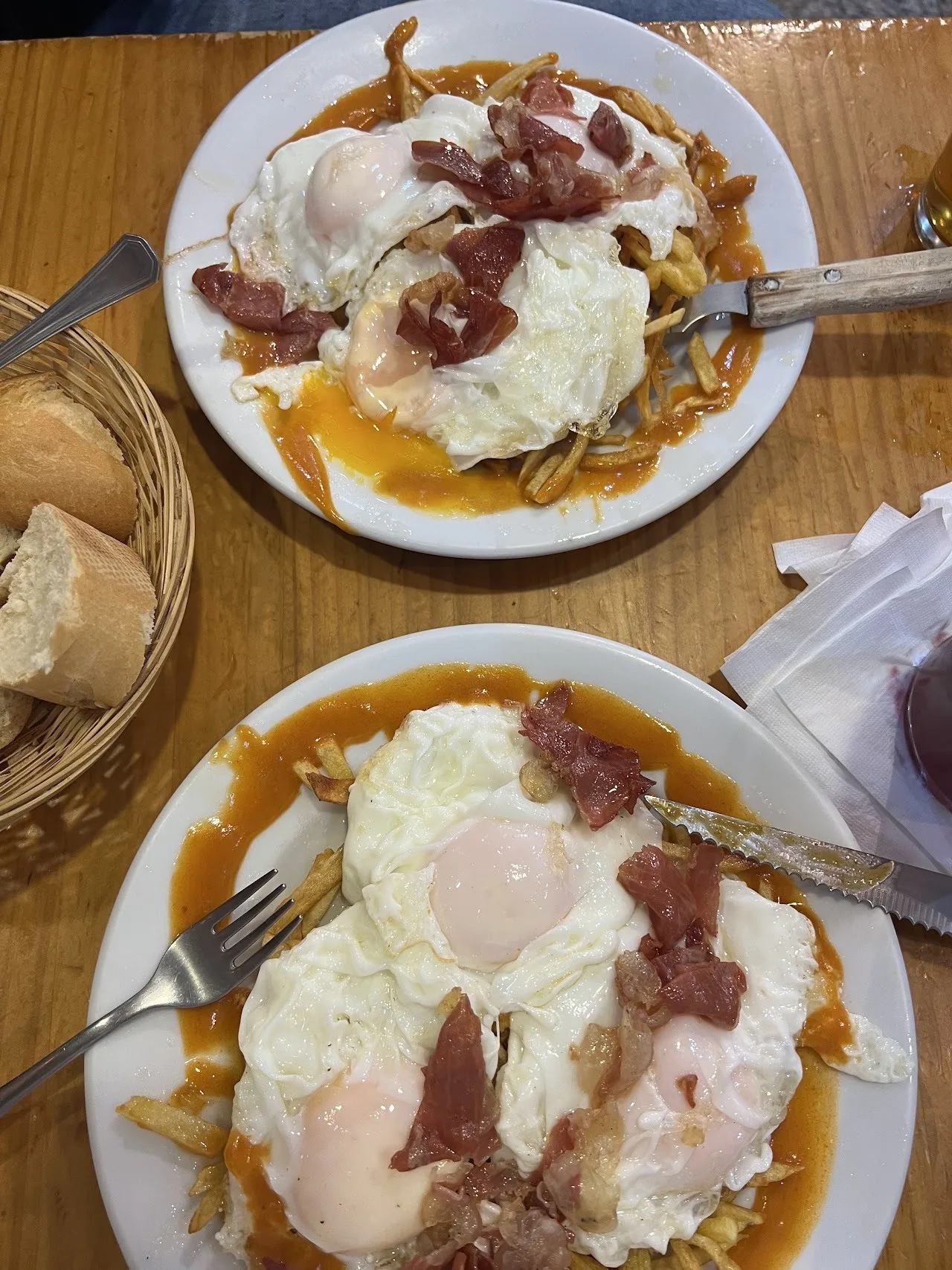
Casa Lucio has run on Cava Baja in La Latina since November 1974, when Lucio Blázquez opened it in a building that's housed a tavern since 1720; his children now run it alongside him. Huevos estrellados, fried eggs over potatoes, is the dish most closely tied to the house. The Revuelto Lucio pairs scrambled eggs with wild mushrooms and prawns. Beyond the eggs, the carta runs a full week of stews: lentils on Monday, Asturian fabada on Tuesday, cocido madrileño on Wednesday, plus callos a la madrileña and tripe with chickpeas as standing options. It holds a Repsol Sol.
“es famosa en todo el mundo por sus huevos rotos”— Macarfi
 Casa Alberto
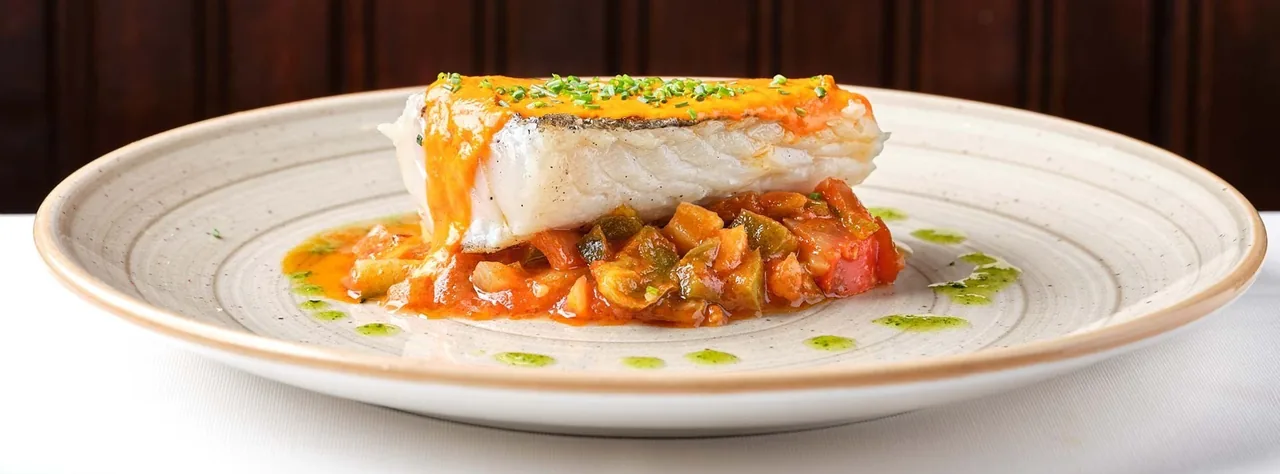
3. Casa Alberto — Taberna centenaria since 1827, on the site where Cervantes lived
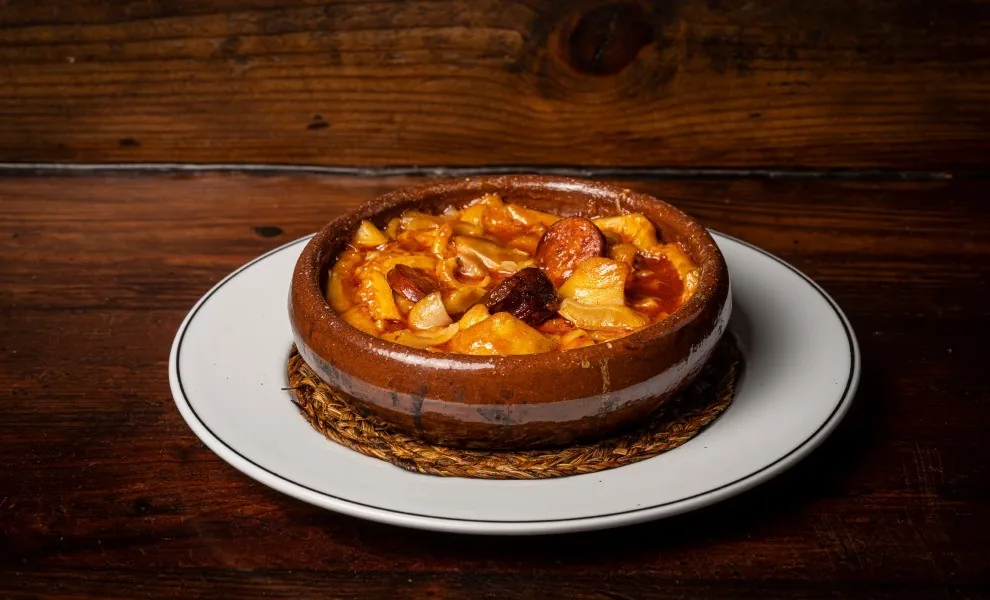
Casa Alberto calls itself a taberna centenaria, its 1827 founding recorded on a plaque the Ayuntamiento de Madrid set into the floor at the entrance on Calle de las Huertas, in Barrio de las Letras. The current building stands on an earlier one where Miguel de Cervantes lived, and where the association of centenarian restaurants says he wrote part of the second Don Quixote. It started as a plain taberna serving wine with hard-boiled eggs and dried cod, and the kitchen still keeps to callos, rabo estofado and bacalao a la madrileña, every dish available at the bar as well as the table. It holds a Repsol Recomendado.
“Un clásico castizo, siempre animado y frecuentado tanto por madrileños como por visitantes”— Macarfi
 Lhardy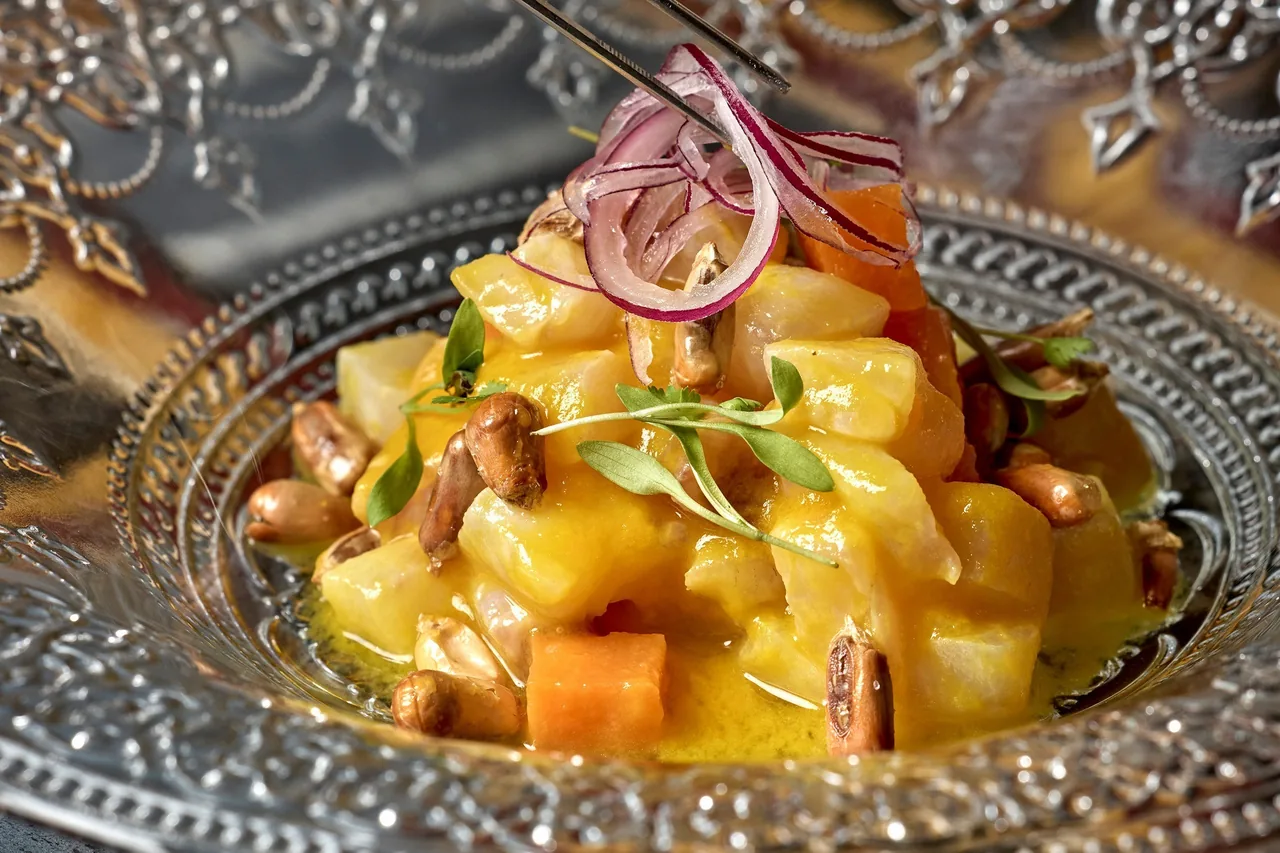
4. Lhardy — Cocido madrileño as the house signature since 1839
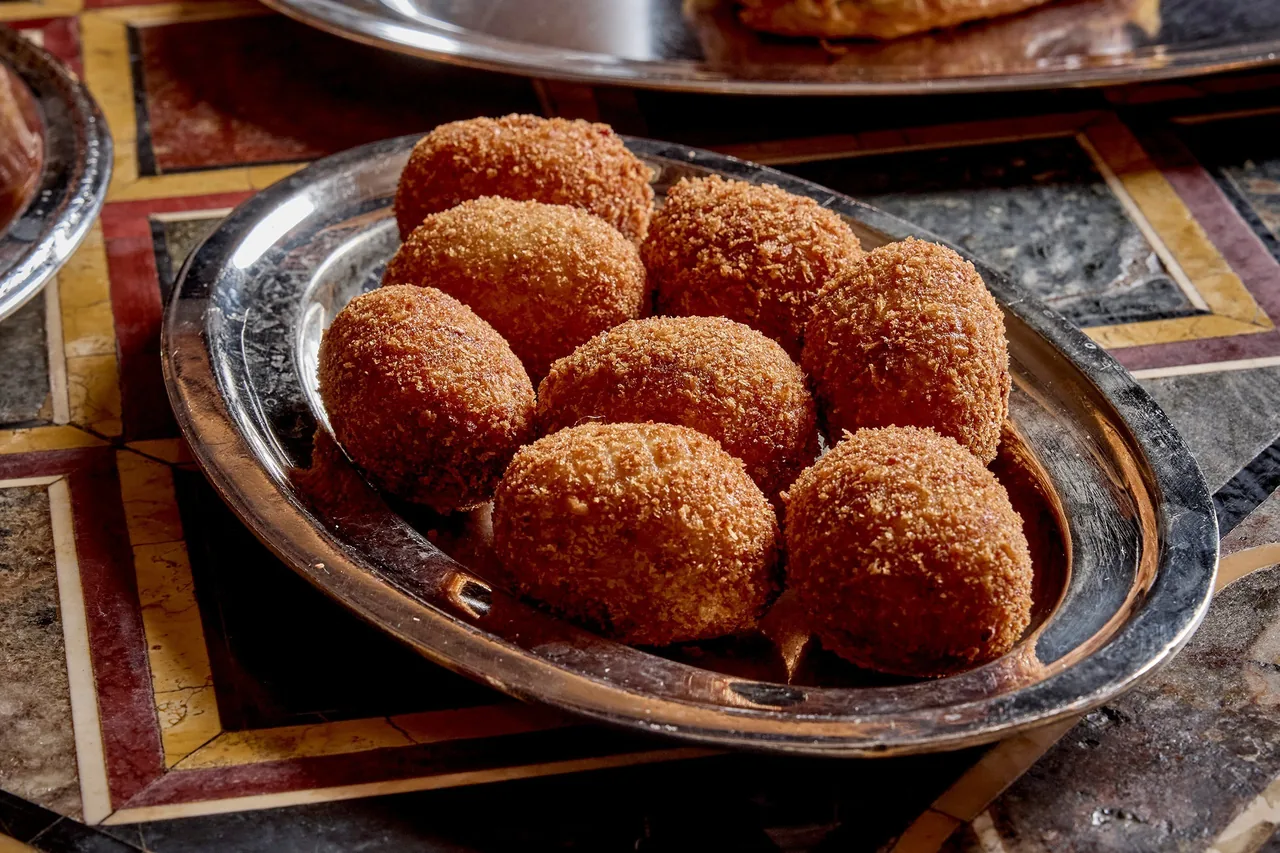
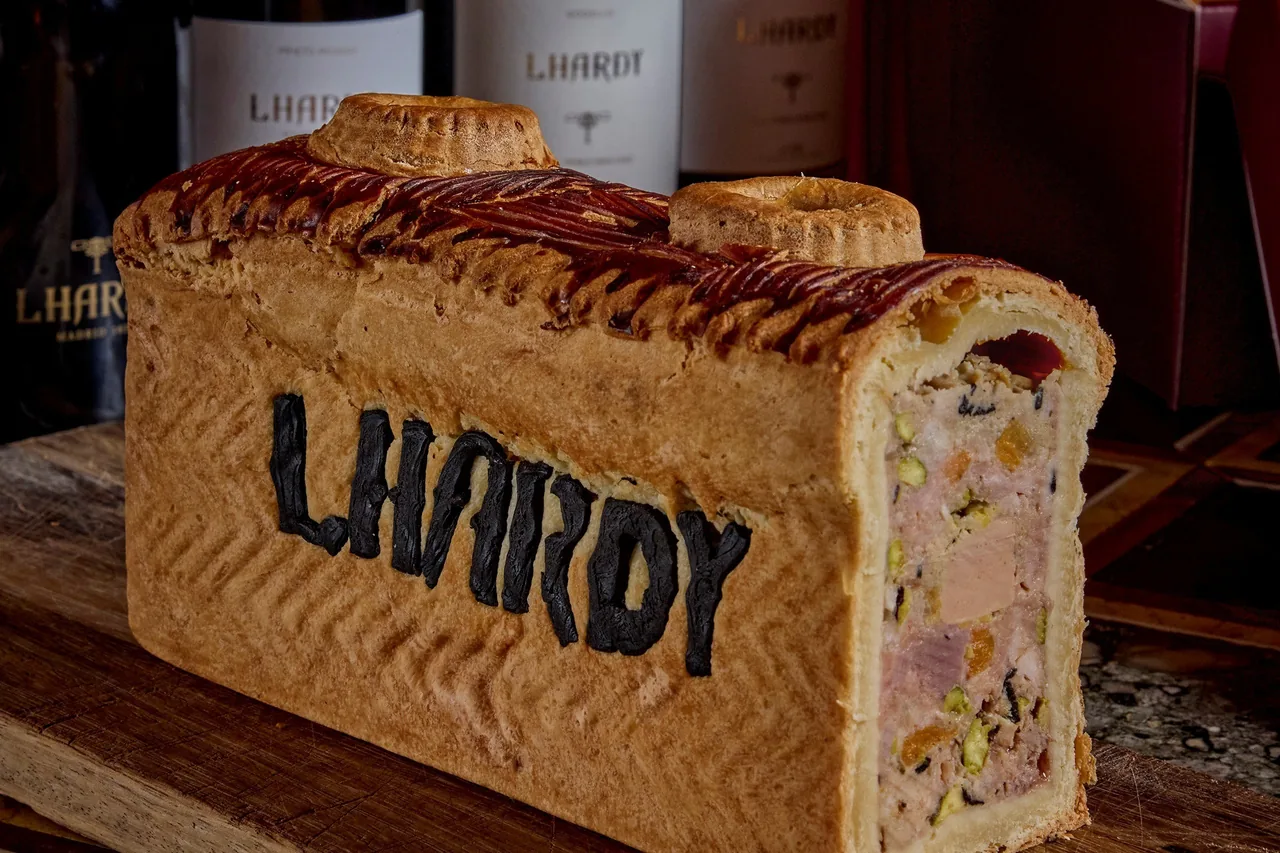
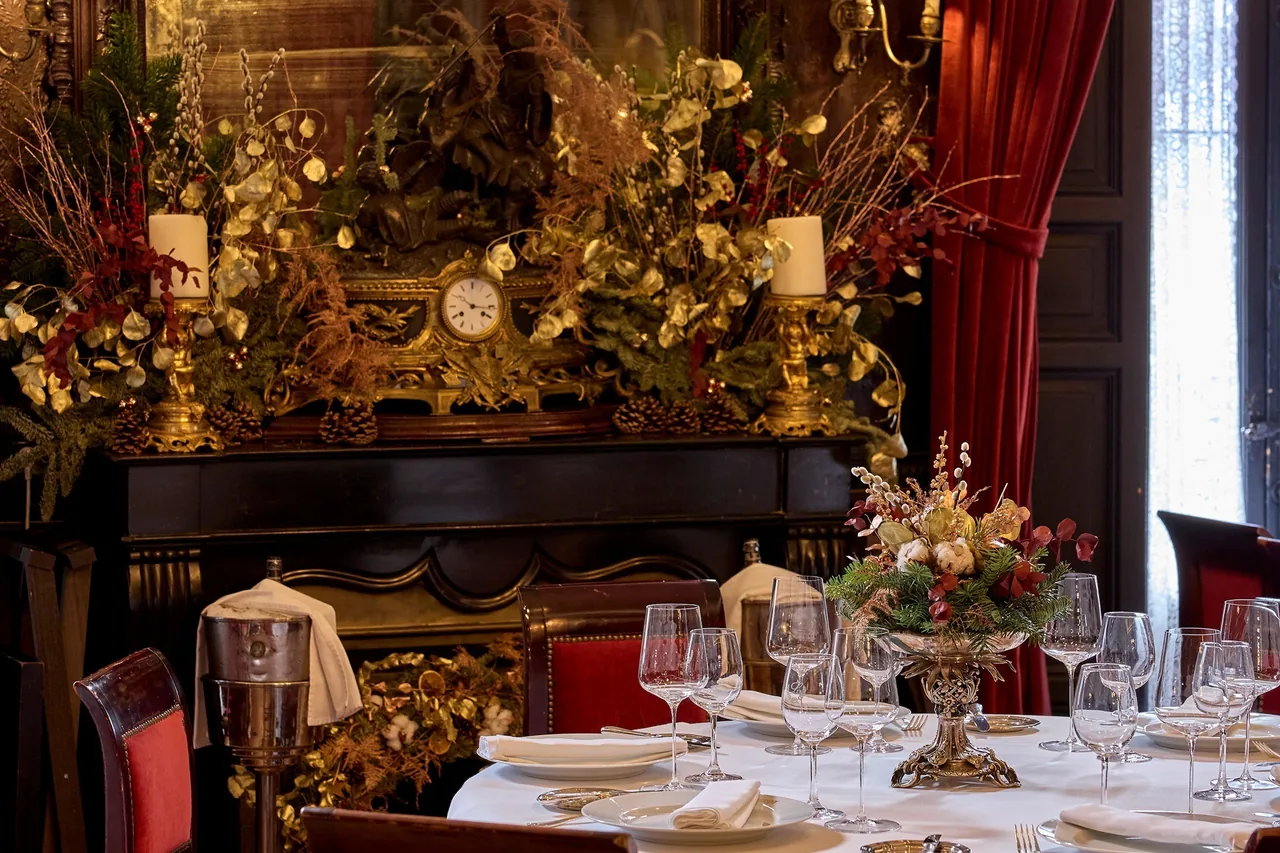
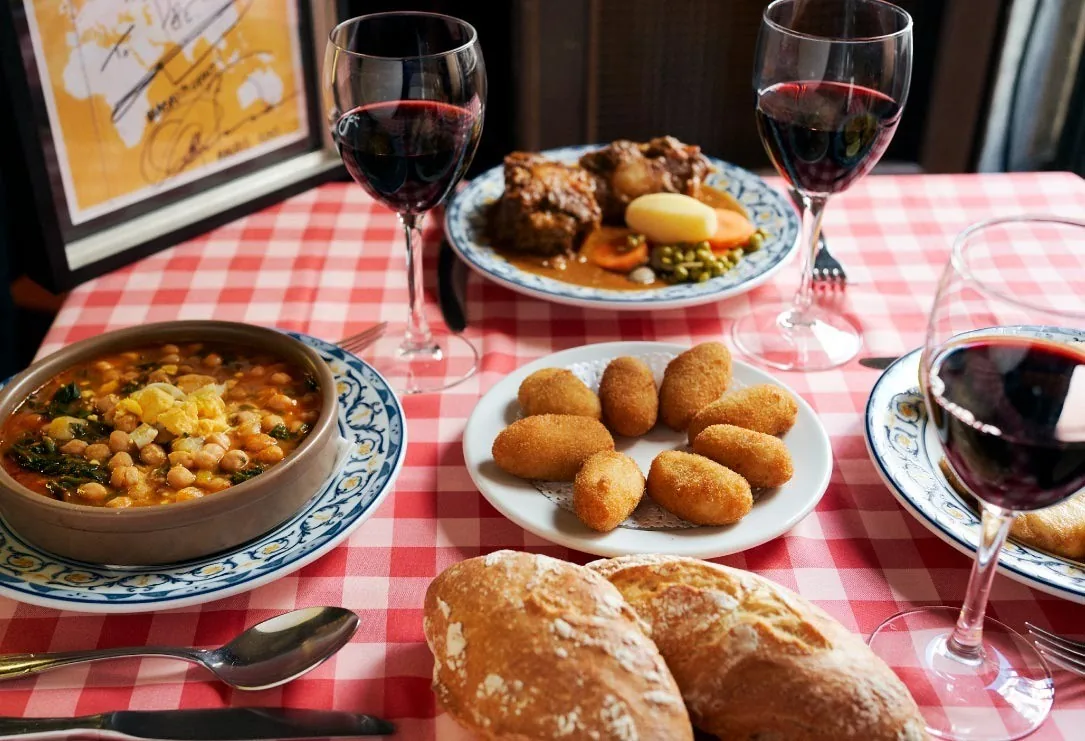
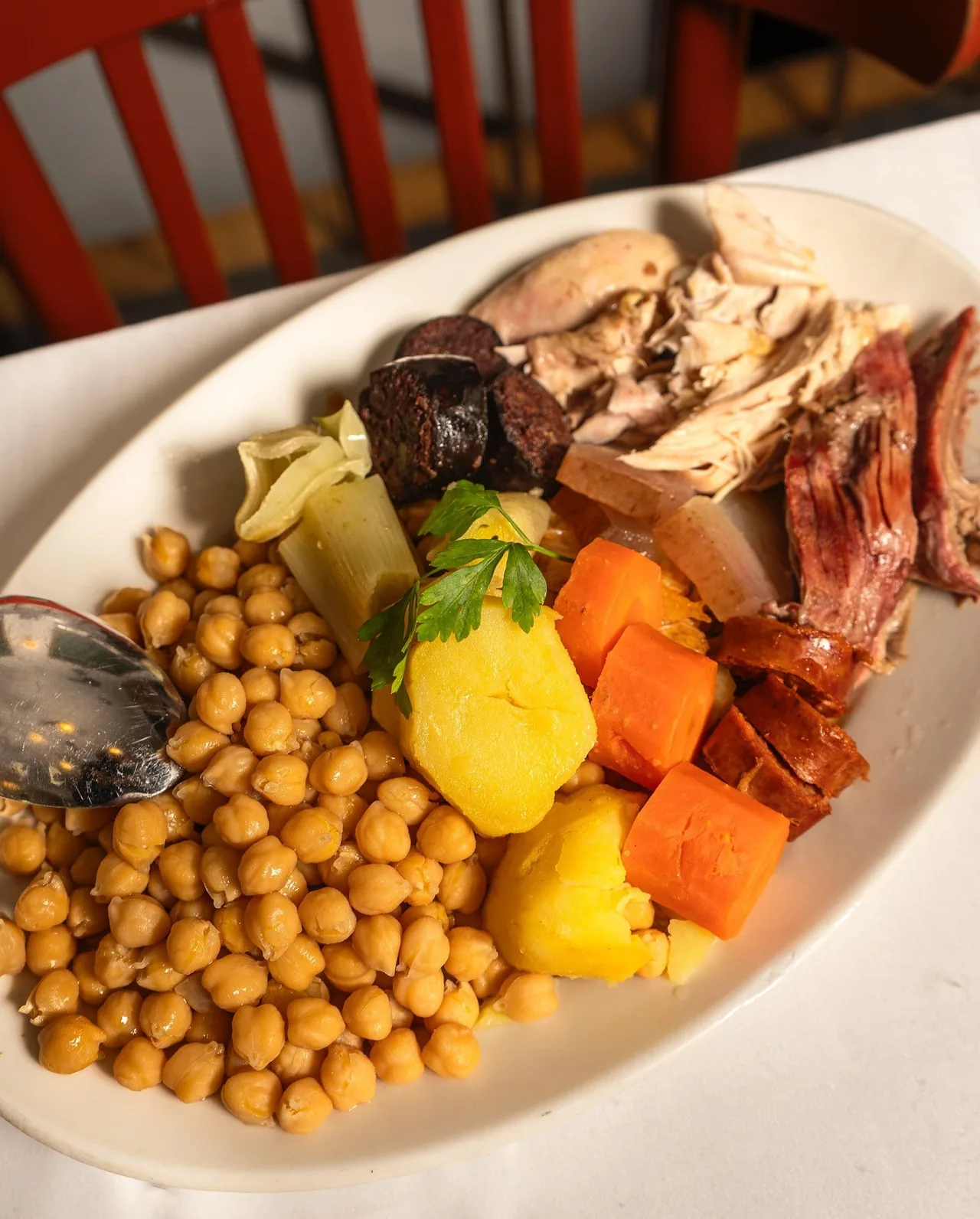
Lhardy opened in 1839, when Frenchman Emilio Huguenin Lhardy founded it as a pastry shop before expanding into full meals, and its rooms have hosted artists, writers, politicians and nobility for nearly two centuries. It claims a run of Madrid firsts: individual tables, silver cutlery and white tablecloths, plus the fixed-price menu del dia concept Spanish restaurants still use today. The cocido madrileño remains one of the house's signature dishes, and its consommé is sold separately in the ground-floor gourmet shop. The carta lists Cocido Madrileño at 68 euros, served with the house's own tomato sauce, and a Lhardy Cocido Croquette at 4 euros each. Lhardy belongs to Madrid's Asociación de Restaurantes y Tabernas Centenarios and holds a Repsol Recomendado.
“El cocido madrileño sigue siendo uno de sus grandes emblemas”— Macarfi
 Bodega La Ardosa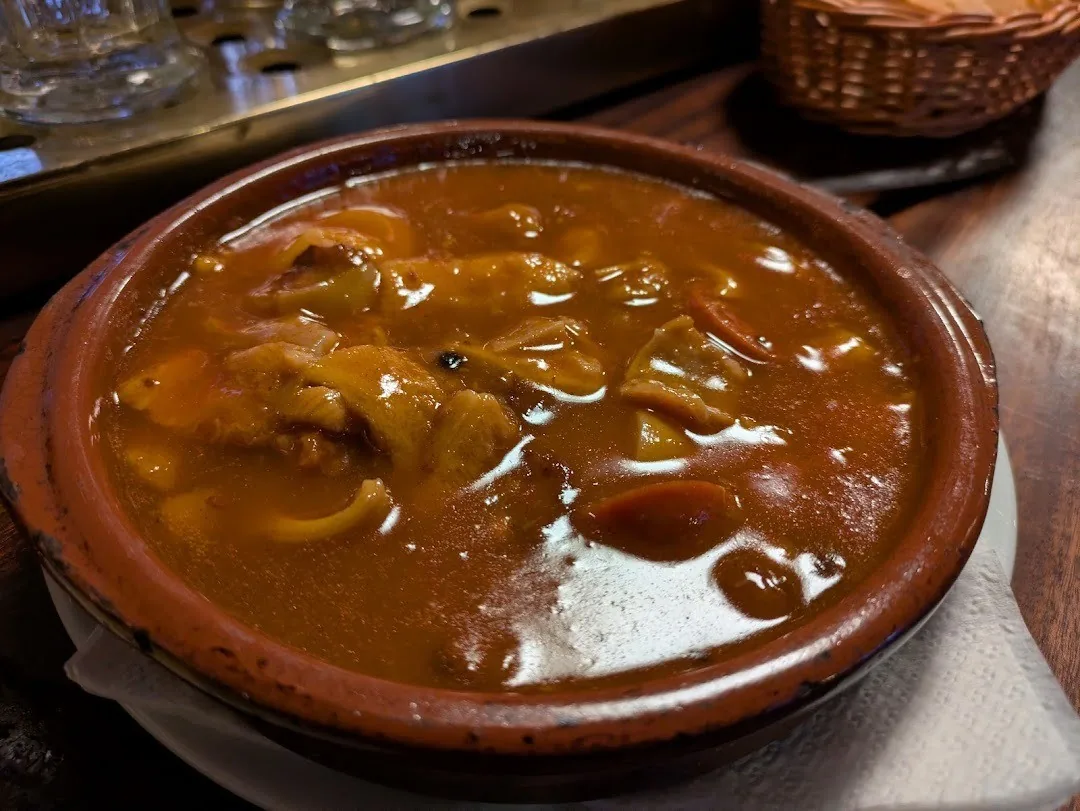
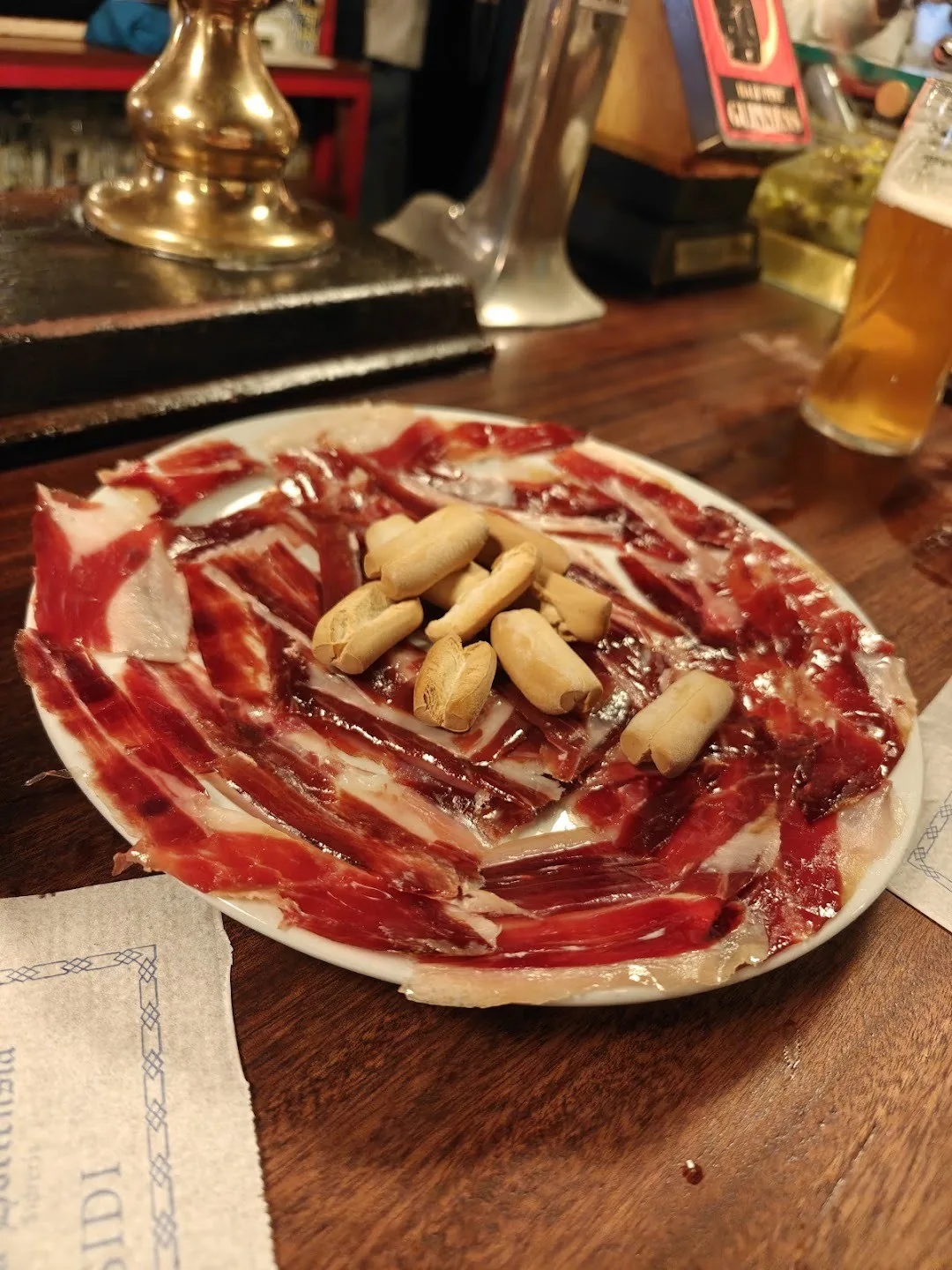
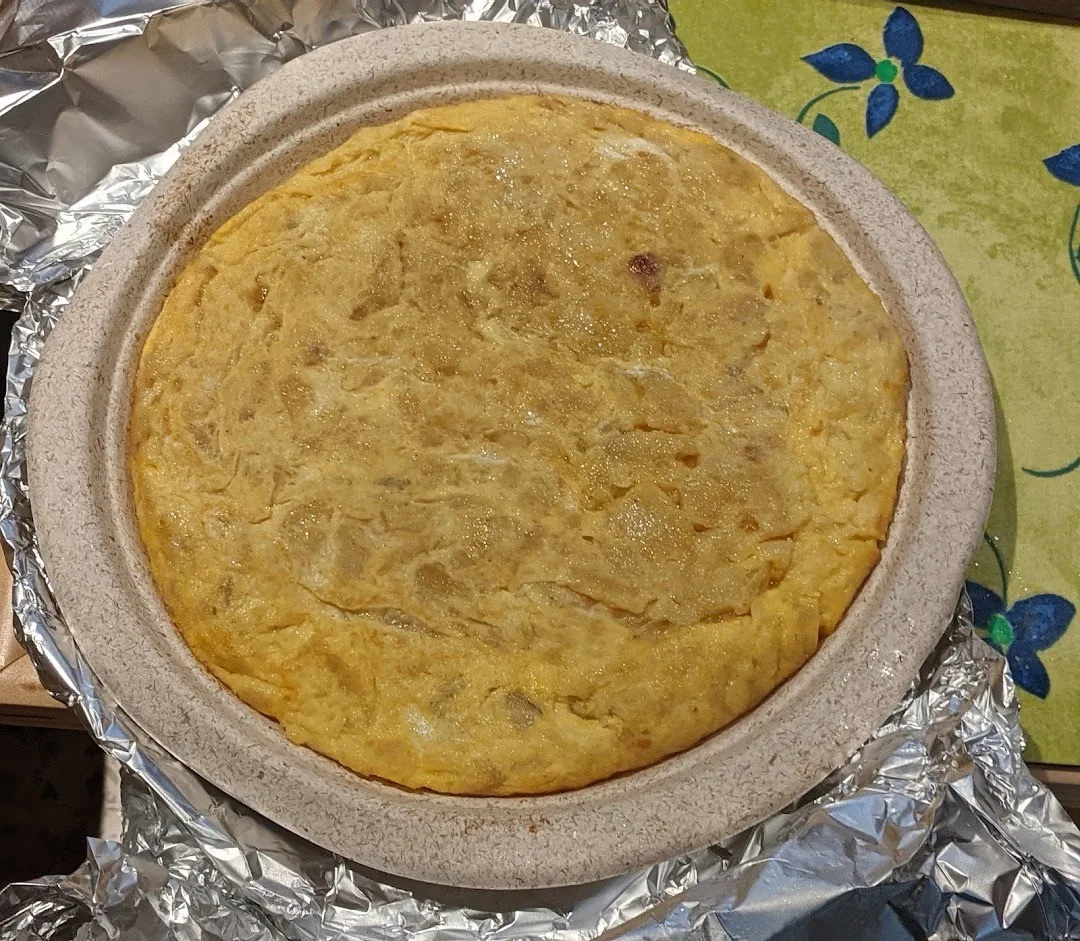
5. Bodega La Ardosa — Vermut on tap and tortilla since 1892
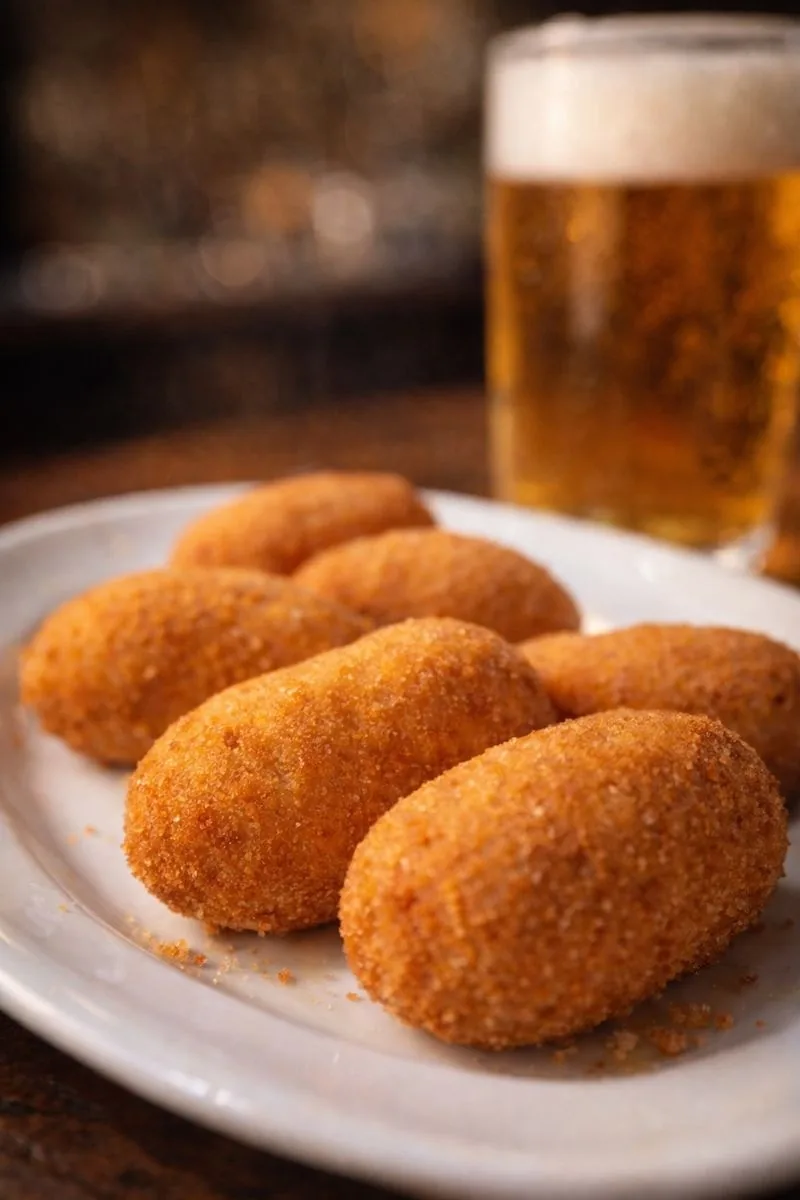
Bodega La Ardosa opened in 1892, founded by Rafael Fernández Bagena, a Toledo vineyard owner, as one of a chain of Ardosa bodegas selling his own wine and vermut. More than a century on, it's still pouring that vermut recipe from a dedicated tap, and El Español credits it as one of the first bars in Madrid to bring in imported beer. Tortilla de patatas is also on the menu. Beyond the tortilla, the kitchen runs to salmorejo with jamón and egg, croquetas in cabrales, shrimp, cecina and bacalao versions, Madrid-style tripe, and a Madrid-style tortilla made with tripe folded in. It's a bar de toda la vida in the Universidad neighbourhood, no reservations, standing room at the counter or a small dining room behind it.
“Imprescindible probar su célebre tortilla de patatas”— Macarfi
 Los Galayos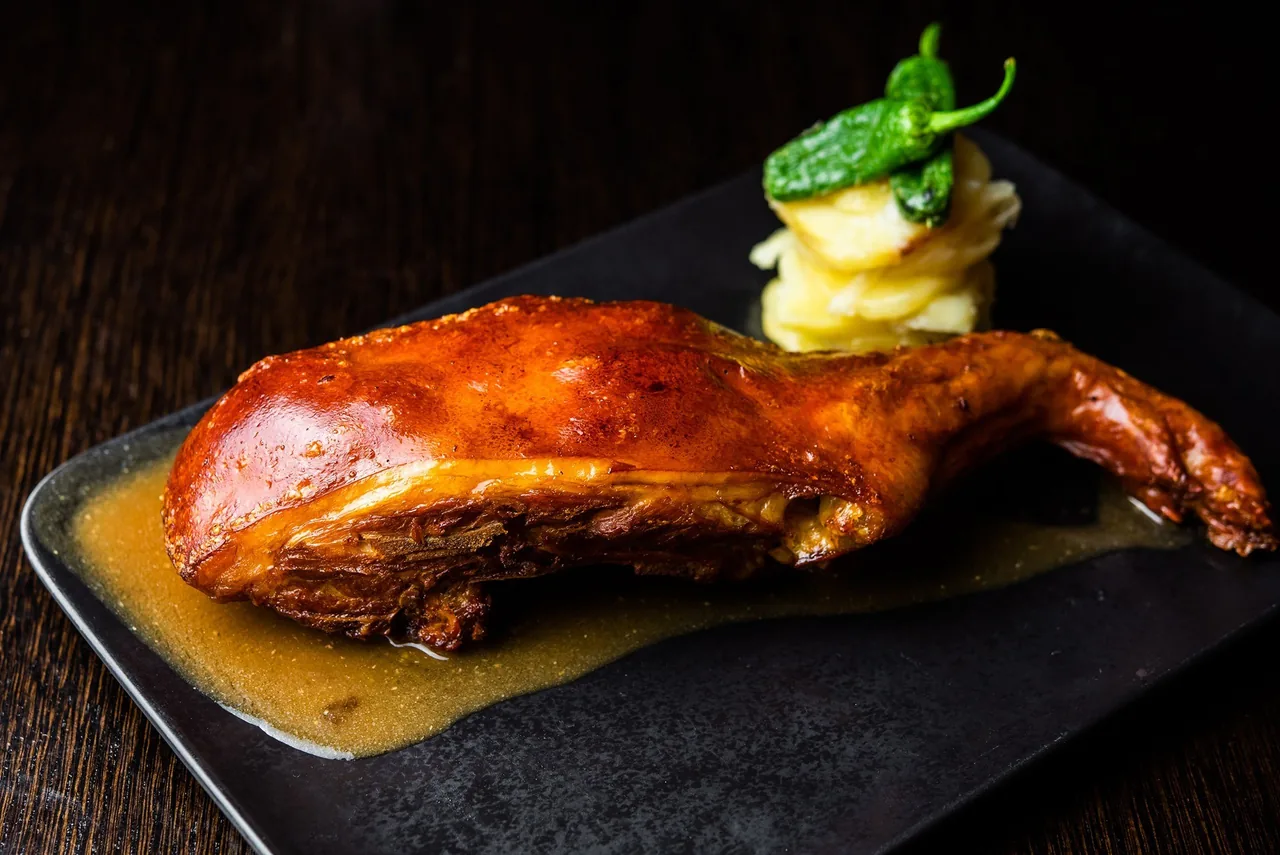
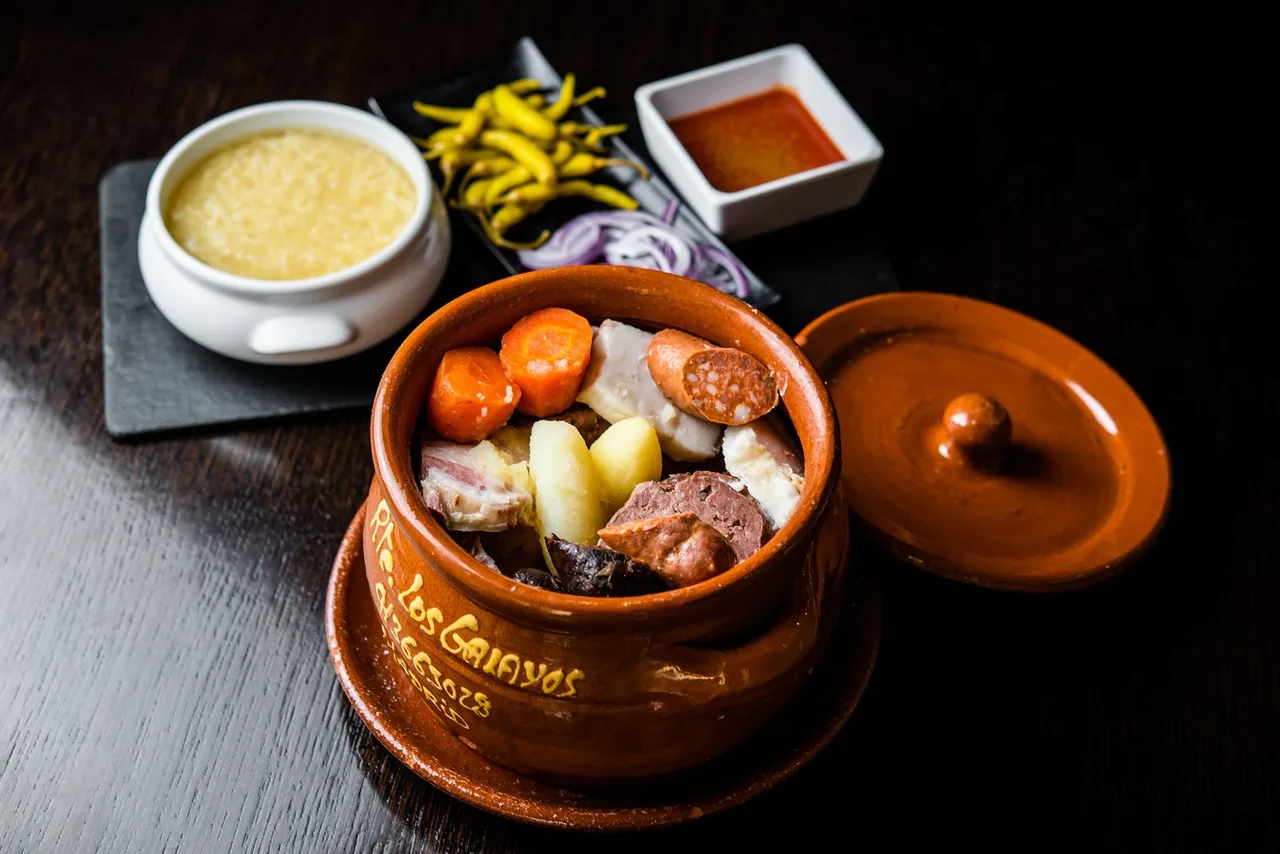
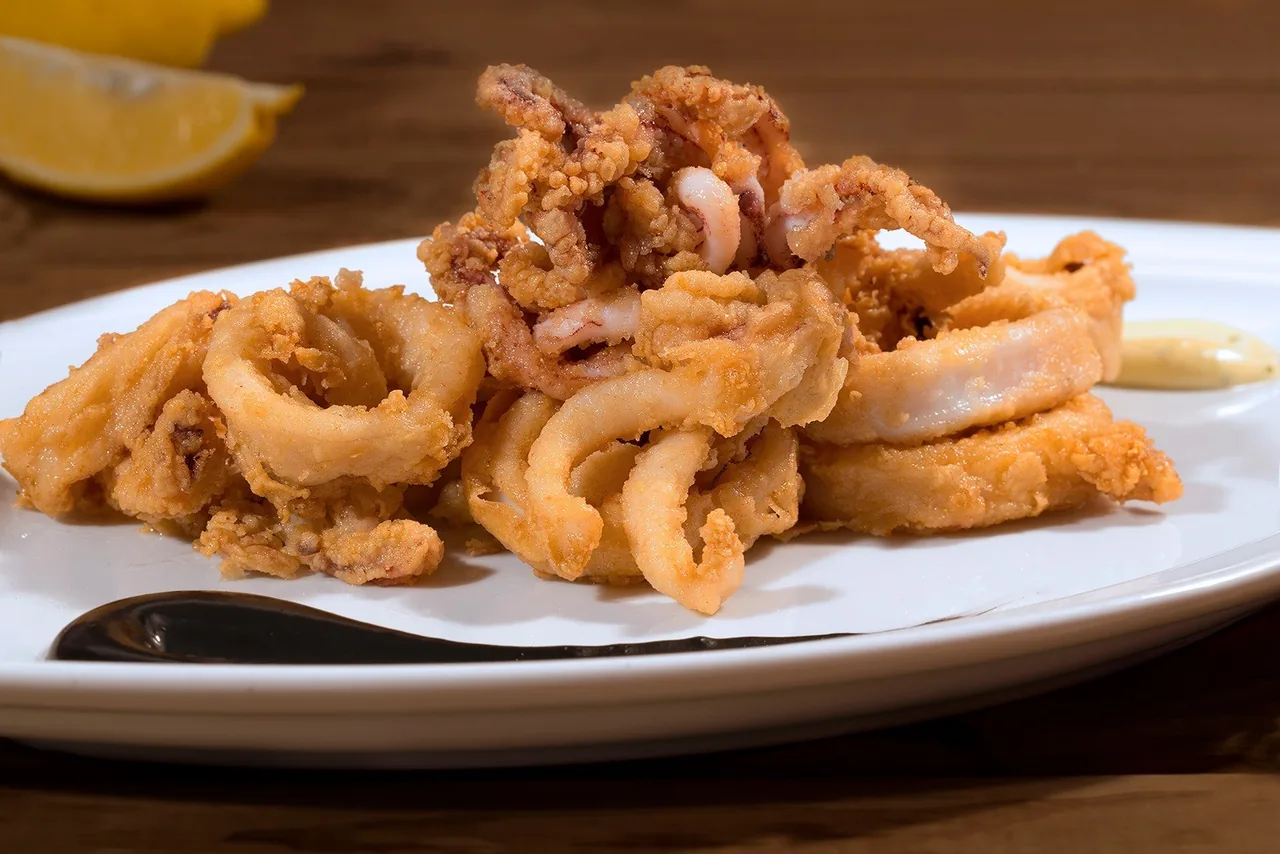
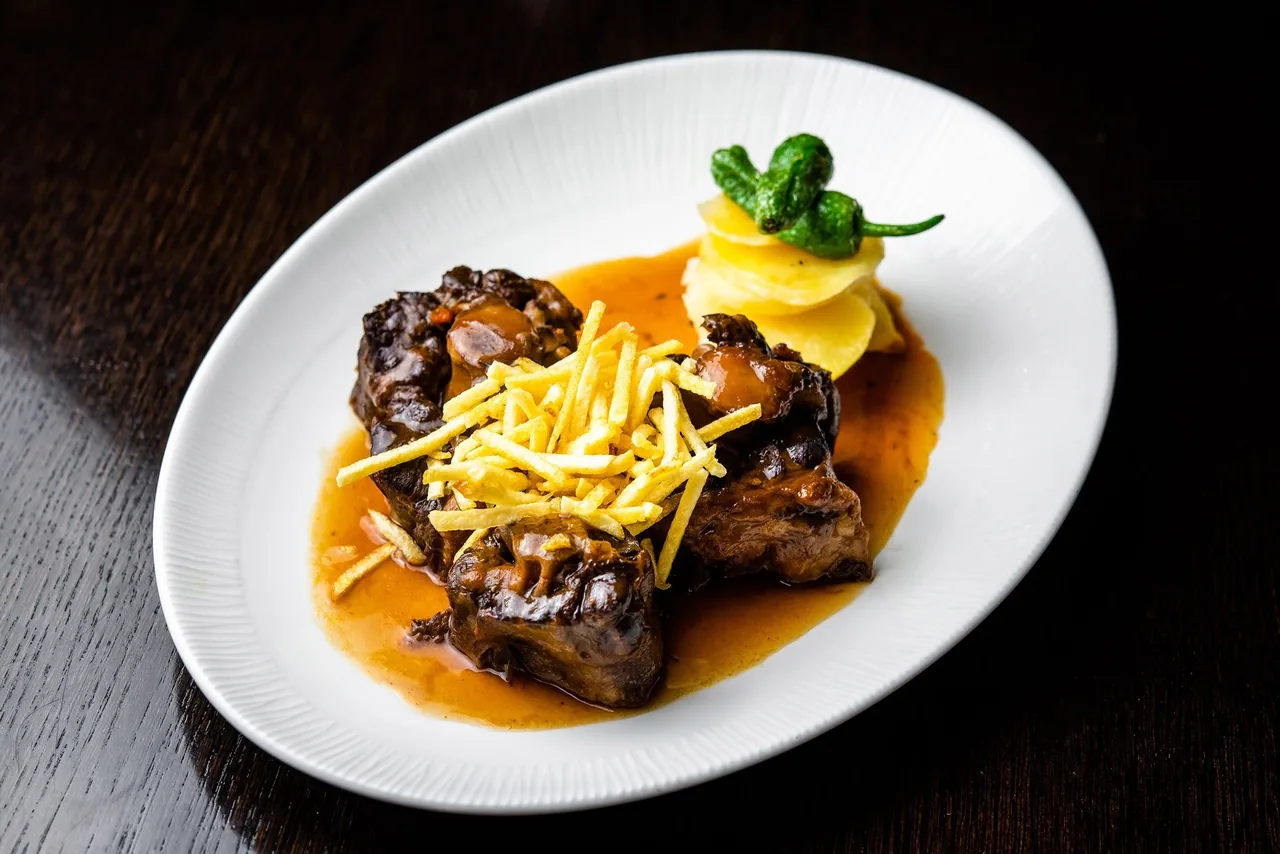
6. Los Galayos — Plaza Mayor tavern and dining room since 1894
Los Galayos has operated right off Plaza Mayor since 1894, per the venue's own site, splitting into two parts. The formal restaurant carries five private salons and terrace seating onto the square, built around Castilian roasts and cochinillo, while a separate historic tavern, its counter hand-carved in the seventeenth century, runs the classics: ensaladilla rusa, callos a la Madrileña, hen in pepitoria sauce. Timeout Madrid rated it 4 out of 5 stars, noting that despite sitting on the edge of Plaza Mayor, it isn't a tourist-hunting spot. It holds a Repsol Recomendado, opens seven days a week, and is only closed on the night of 24 December, with the kitchen running continuously from 11:30am to 11:30pm.
 Café Comercial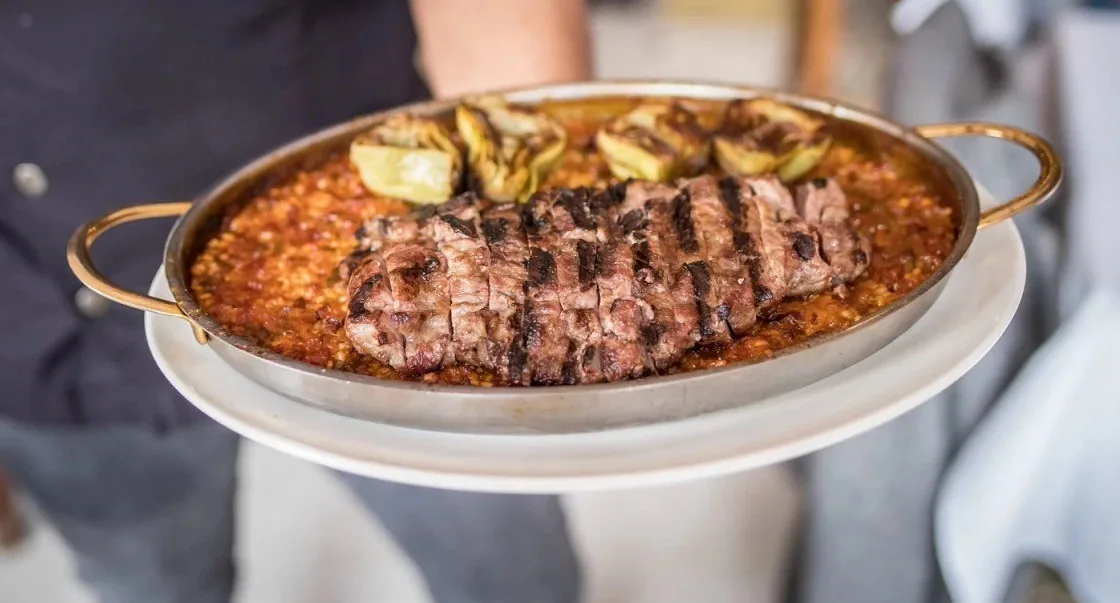
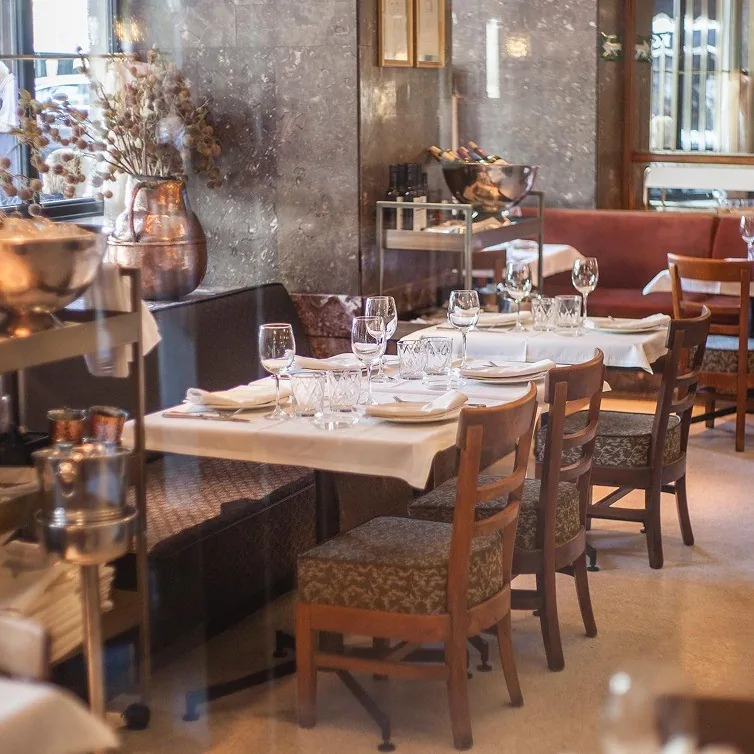
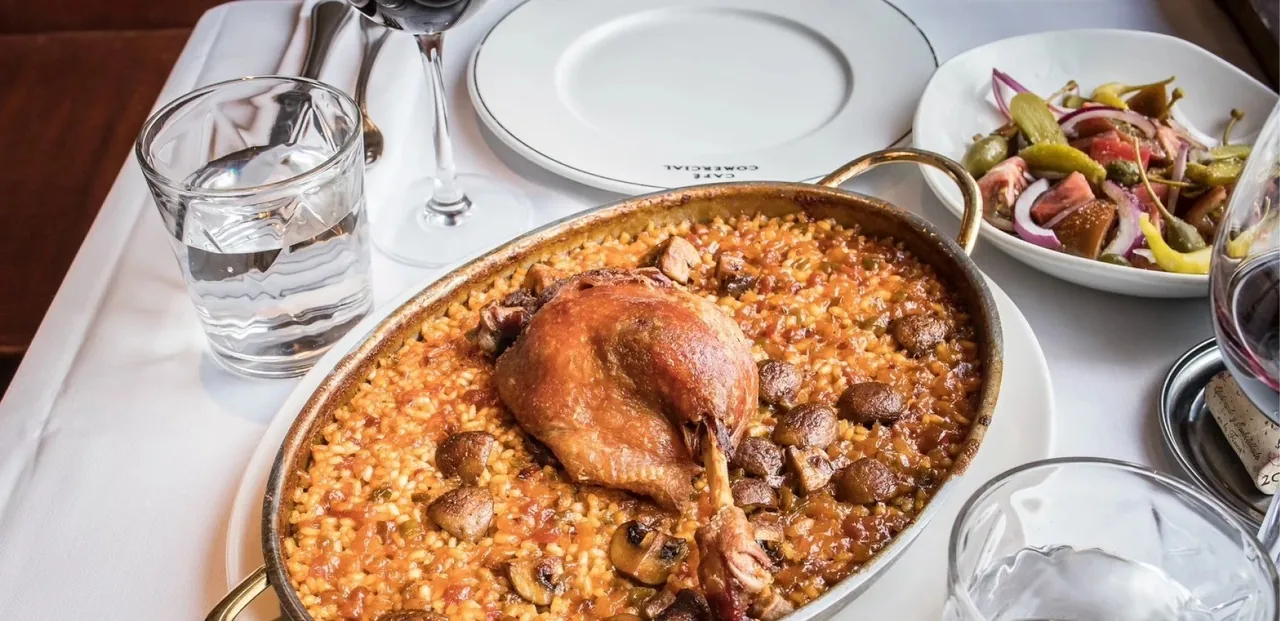
7. Café Comercial — 1887 literary café with a Thursday-only, twelve-hour cocido
Café Comercial opened in 1887 on Glorieta de Bilbao and became a fixture for Madrid's writers, poet Antonio Machado among them. It closed in the summer of 2015 and reopened in March 2017 under Grupo El Escondite, keeping its period bar, floors and mirrors. Gastronomy director Pepe Roch oversees Thursday's cocido, a twelve-hour broth built on Fuentesaúco chickpeas, while the rest of the week leans into a weekend brunch, served Saturday and Sunday from 10am at 28 euros including coffee, tea, hot chocolate or fresh orange juice. It holds a Repsol Solete.
“dejó de ser un simple café para convertirse en uno de los restaurantes más típicos de Madrid”— Madrid Secreto
 La Posada de la Villa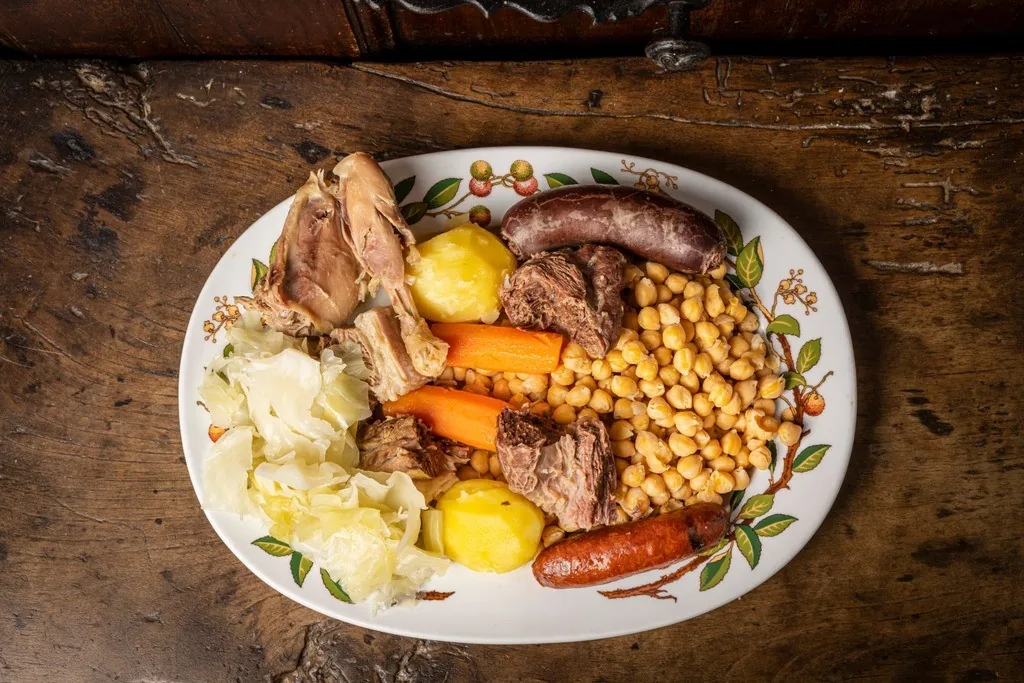
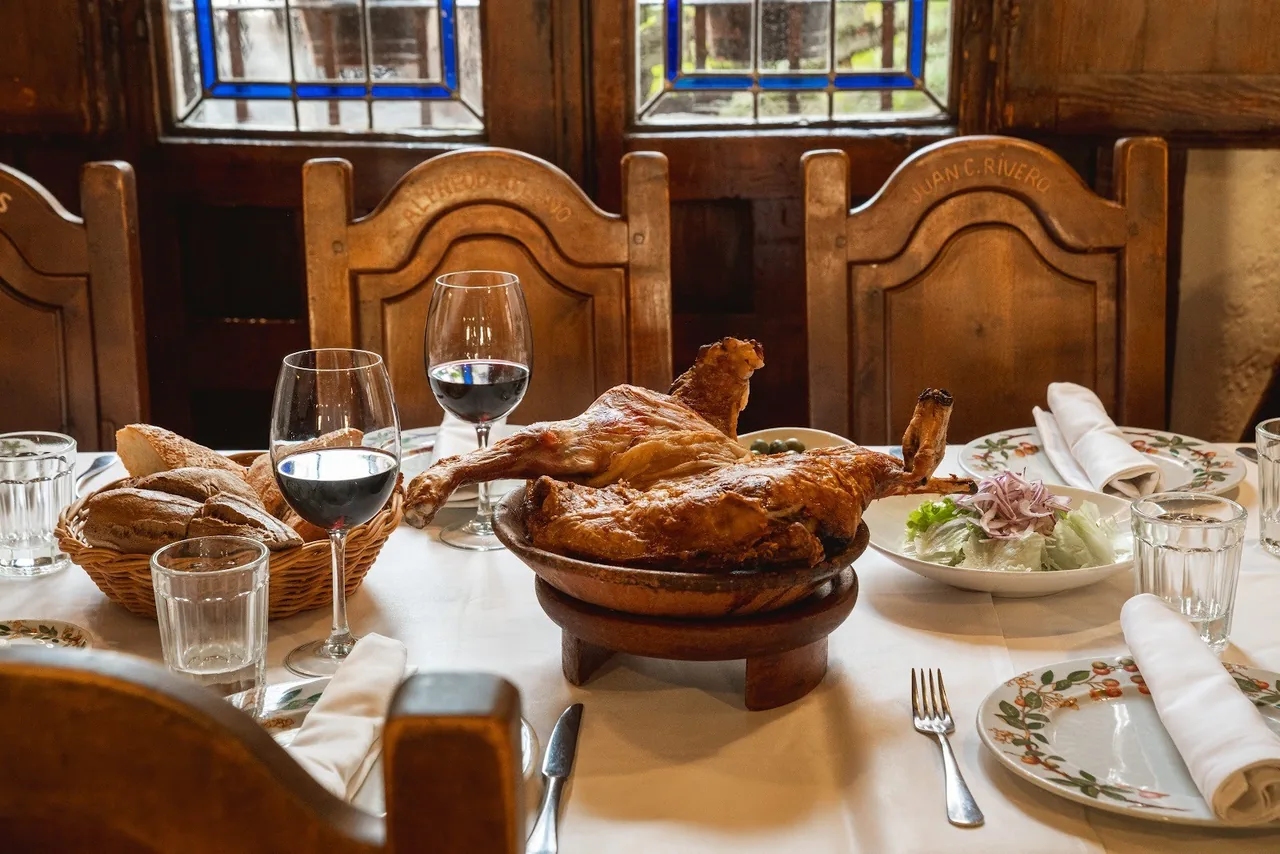
8. La Posada de la Villa — Wood-fired roast lamb at an address dated 1642
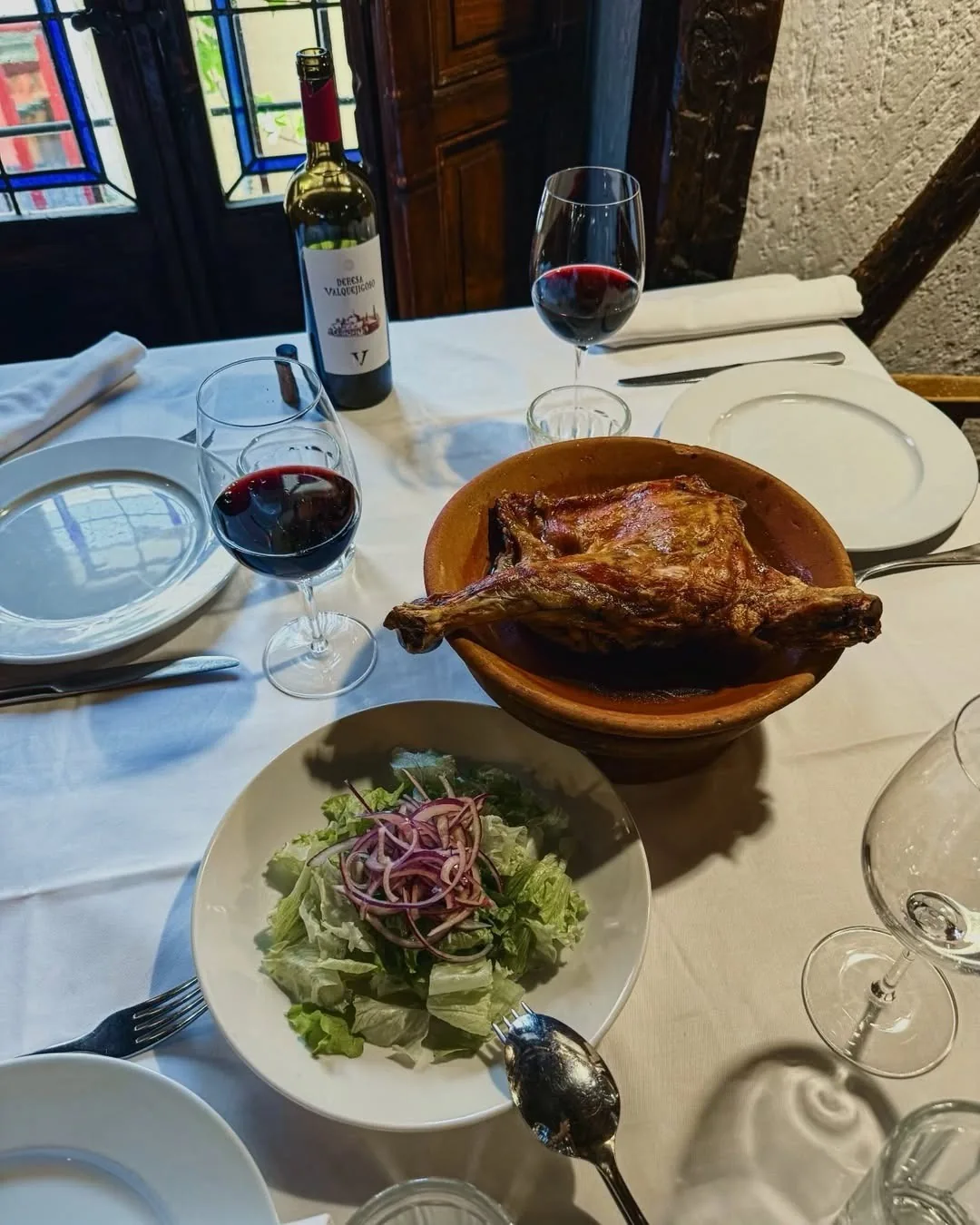
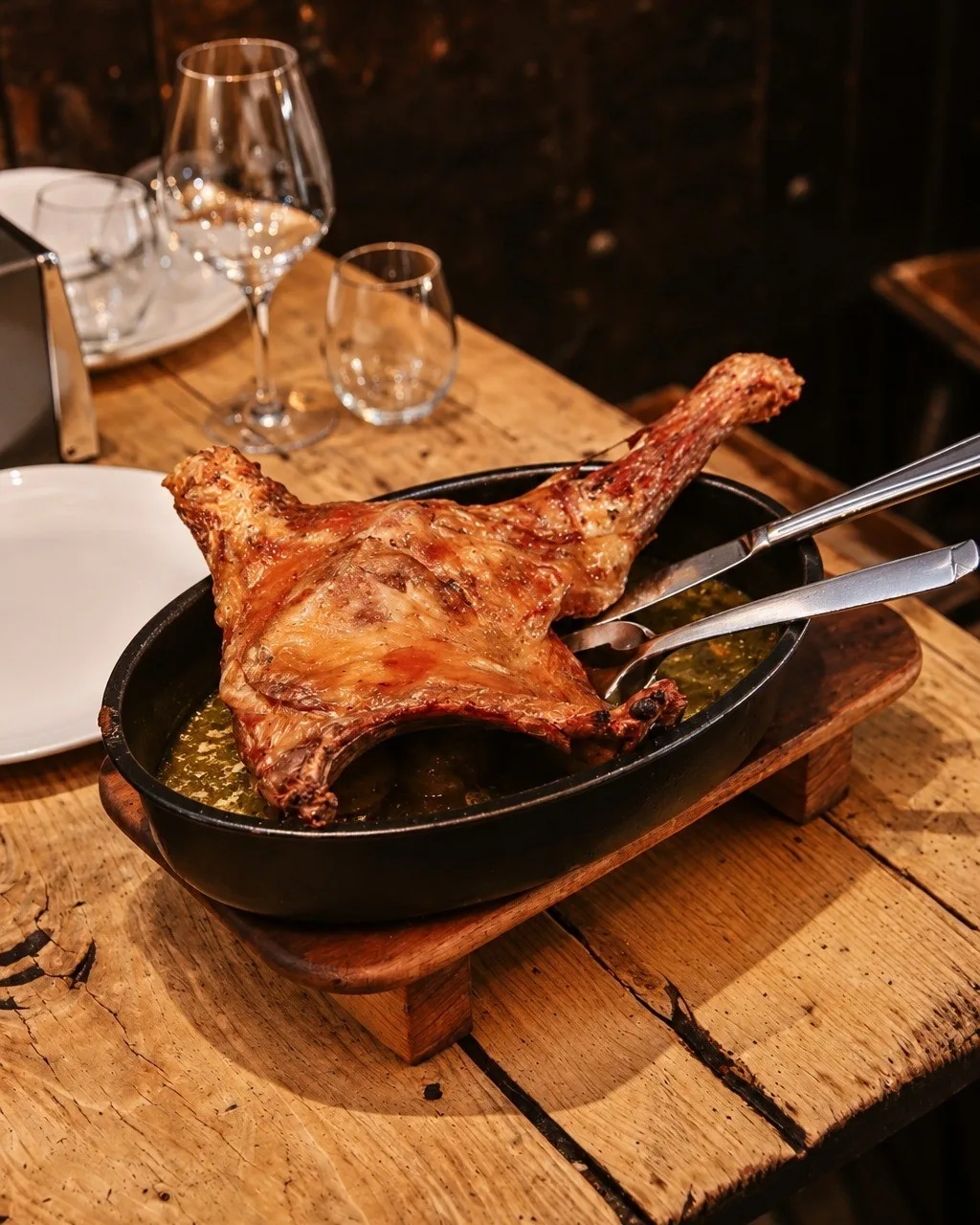
La Posada de la Villa is a Castilian and Madrid restaurant on Cava Baja, in the Palacio barrio, dating itself to 1642. Owner Félix Colomo Domínguez rescued the building in 1980. The kitchen keeps traditional recipes alive, including cocido madrileño, callos and morcilla de Burgos, though the main event is lamb roasted slowly in a wood-fired oven. The carta also lists a cocido de puchero made to order rather than kept ready daily, hen in pepitoria sauce, and Morcilla de Burgos among the starters. It closes for summer holidays from 3 August to 2 September and on Sunday evenings, otherwise running 12:45 to 15:45 and 19:45 to 23:30. There's a terrace and a wheelchair-accessible restroom.
“mantiene vivas recetas tradicionales como el cocido madrileño, los callos o la morcilla de Burgos”— Macarfi
 Casa Pedro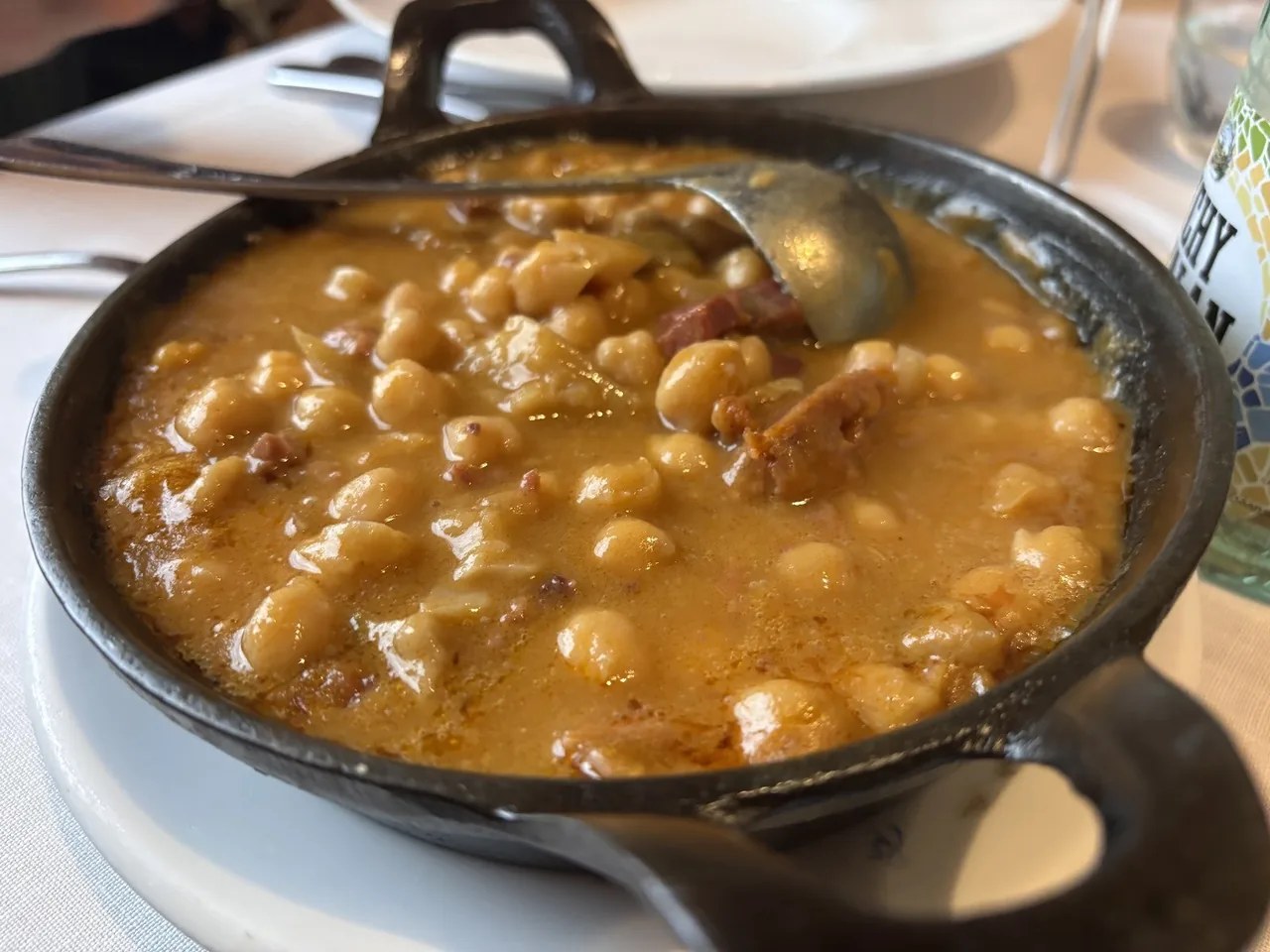
9. Casa Pedro — Castilian roast house tracing to a 1702 pilgrims' inn
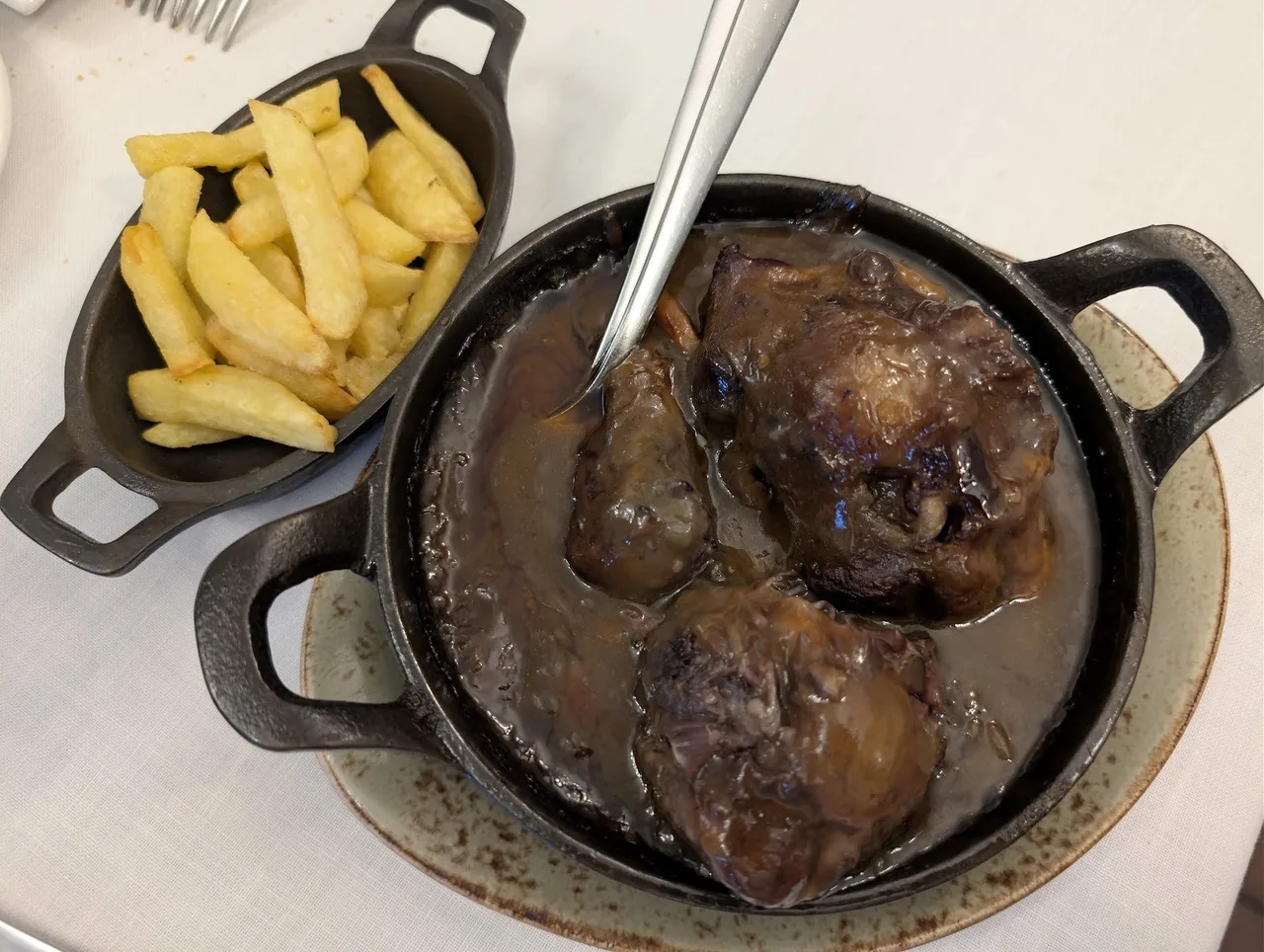
The Guiñales family started in 1702 with a pilgrims' inn in what was then the village of Fuencarral, first trading as Casa de la Pascuala. Three centuries on, Pedro Guiñales runs the same kitchen, now a Castilian roast house in Valverde, and a member of Madrid's Asociación de Restaurantes y Tabernas Centenarios. The kitchen focuses on traditional Castilian cooking, especially stews, game and offal. The carta backs that up: Madrid-style snails, Roman-style breaded pork brains, lamb sweetbreads and lamb kidneys alongside roast suckling pig and stewed partridge. Guiñales won the Premios Gastronómicos de Madrid's lifetime achievement award in 2025. It's Recomendado in the Guía Repsol.
“Cocina castellana sin concesiones, con especial atención a los guisos, la caza y la casquería”— Macarfi
 La Oreja de Jaime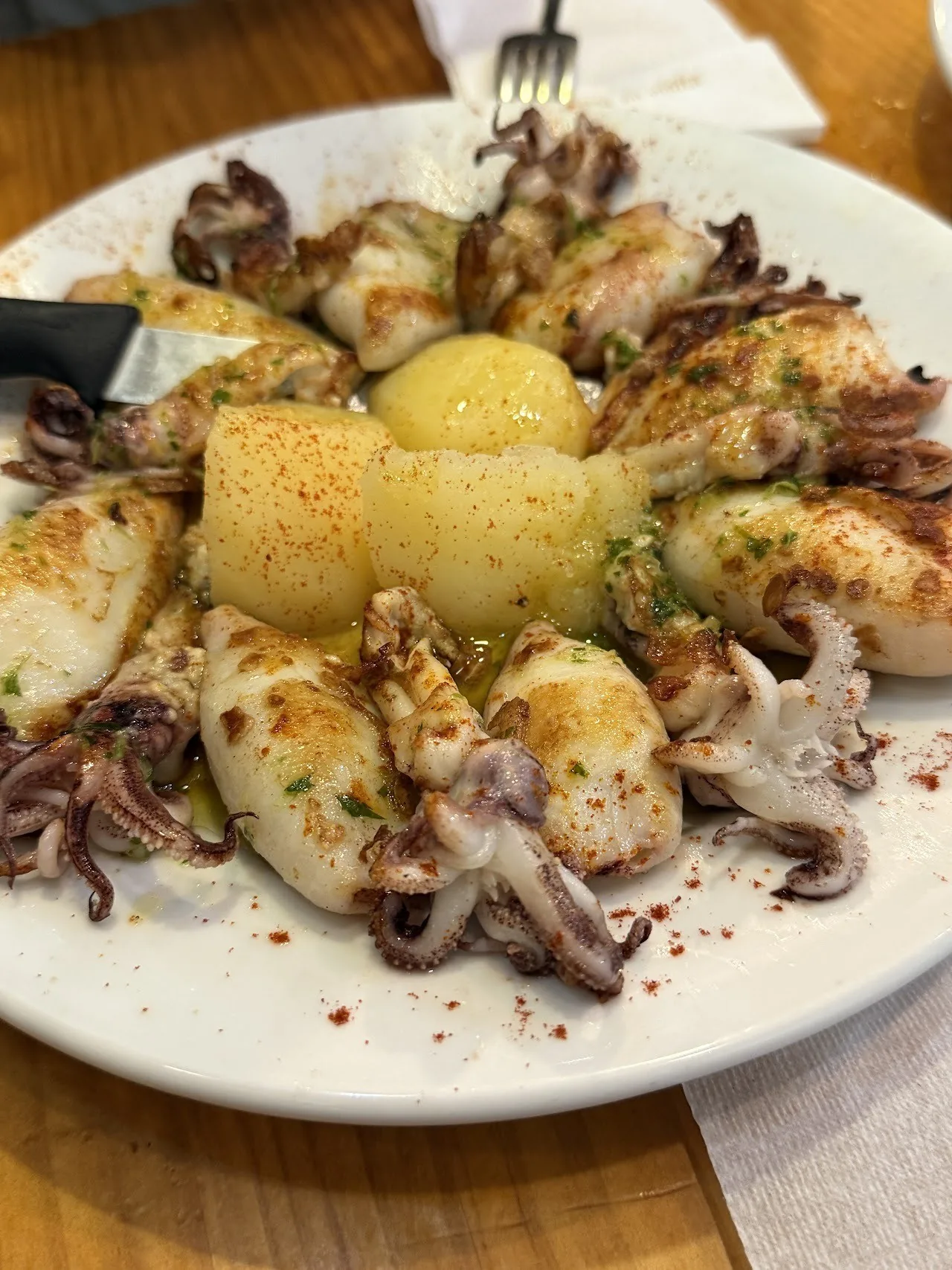
10. La Oreja de Jaime — A tapas bar built around one dish: grilled pig's ear
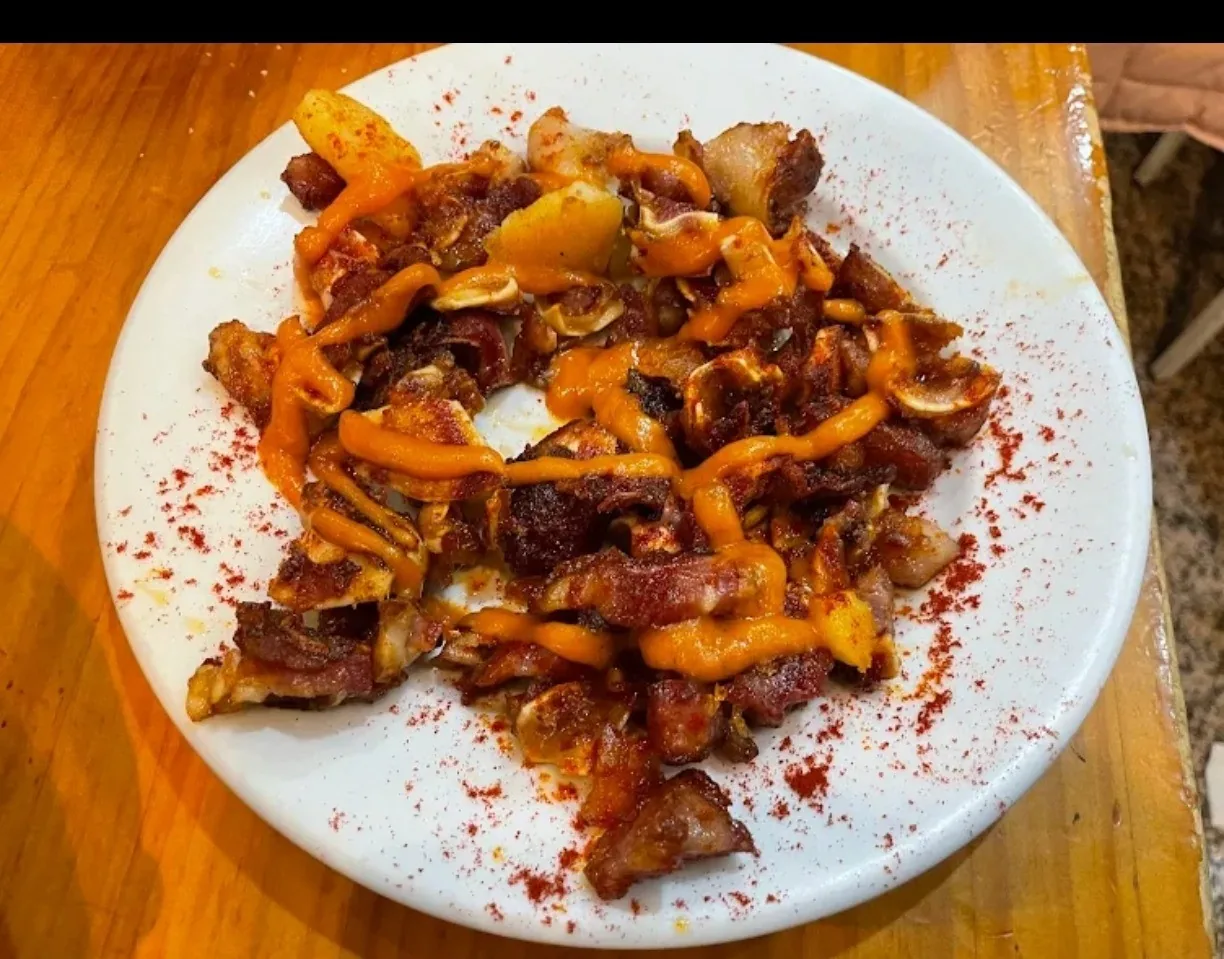
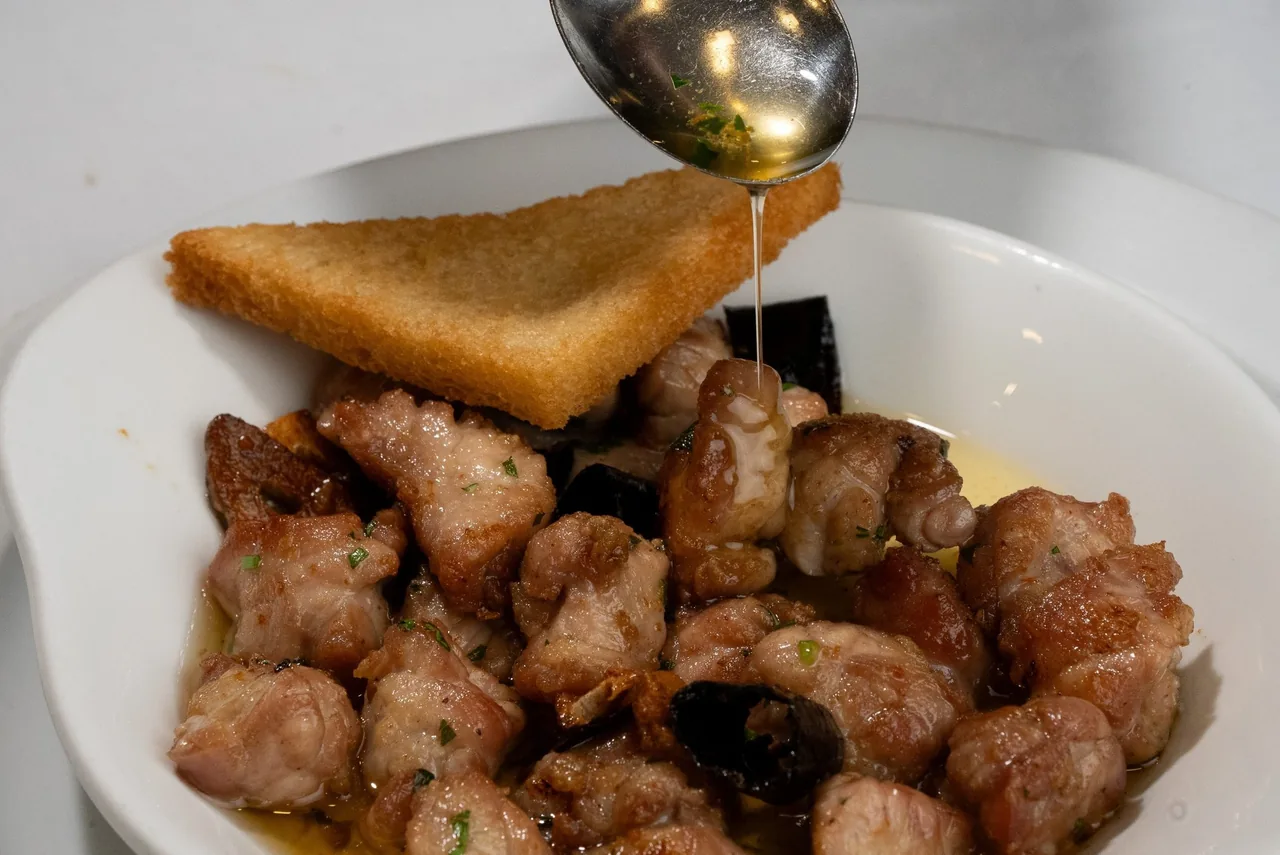
La Oreja de Jaime is an old-school tapas bar on Calle de la Cruz, a few streets from Puerta del Sol. The house signature is oreja a la plancha, grilled pig's ear dressed with paprika and olive oil, a classic castizo tapa that gives the bar its name, with padrón peppers as another regular order alongside it. It's small, busy and inexpensive, split into a lunch sitting and a dinner sitting rather than running continuously through the afternoon. There's no printed multi-page carta here the way there is at the taverns and casas de comidas elsewhere on this list; the format is closer to a specialist counter, built around one dish done the same way every time, with a handful of other tapas around it to round out the order.
 Casa Salvador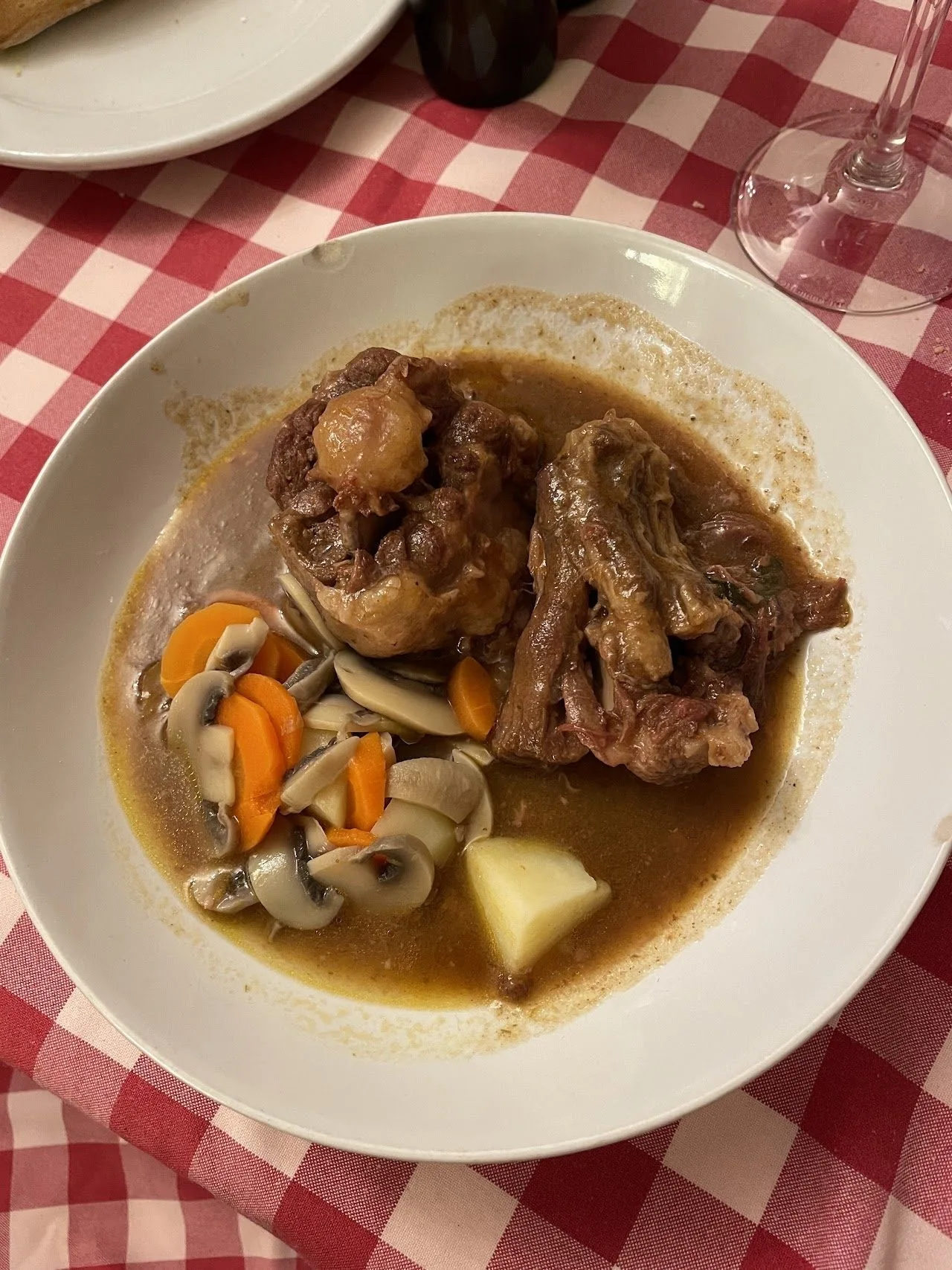
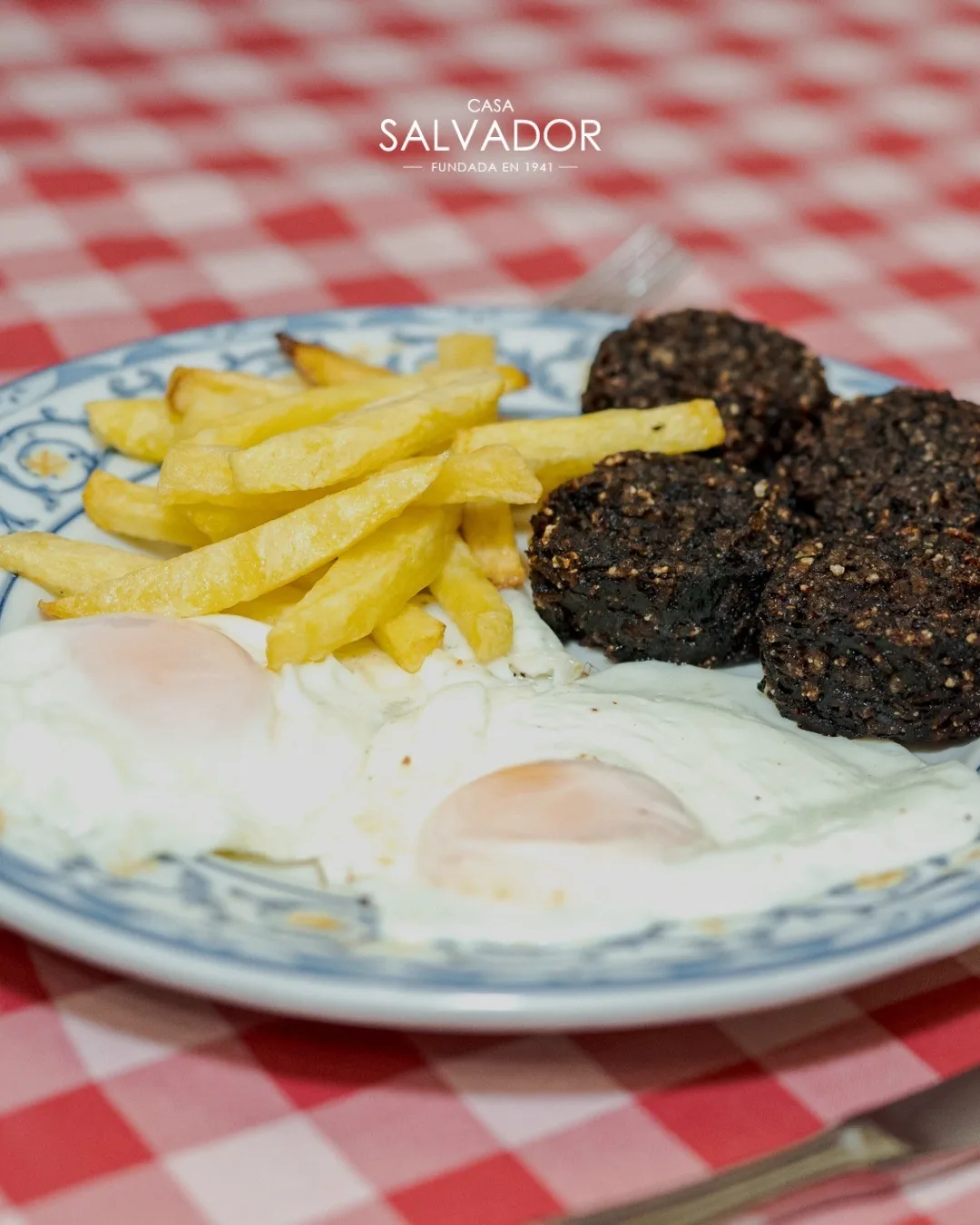
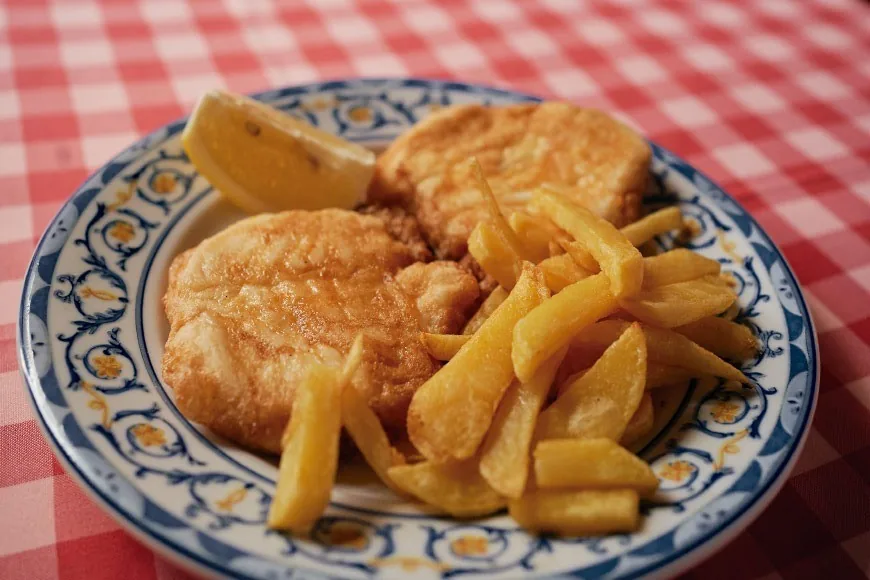
11. Casa Salvador — Taberna taurina since 1941, famous for merluza rebozada
Casa Salvador began in 1941 as a small taberna taurina on Calle de Barbieri, on the seam between Chueca and Justicia, founded by Salvador Blázquez and still classic and rustic, its walls hung with bullfighting paintings and photographs. Merluza rebozada, breaded hake, remains a signature dish, alongside rabo de toro, callos and buñuelos de bacalao. The carta covers Iberian charcuterie, soups and salads, fresh vegetables, egg dishes and a long fish list built around hake done several ways, plus Madrid-style tripe and stewed oxtail among the meats. It closes for the whole of August. It's listed as Recomendado in the Guía Repsol.
“La merluza rebozada sigue siendo la especialidad más célebre de la casa”— Macarfi
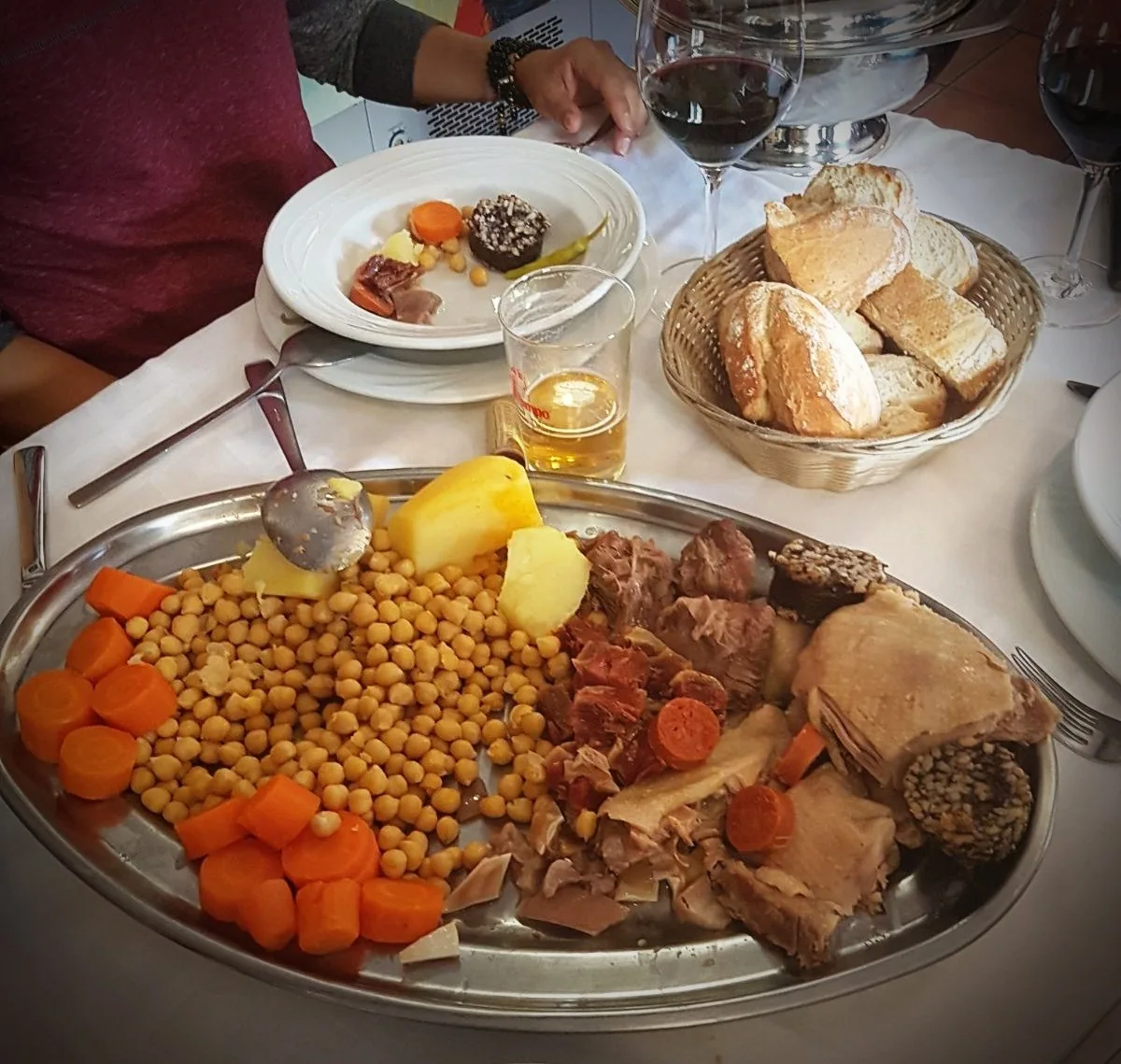 Bodegas Rosell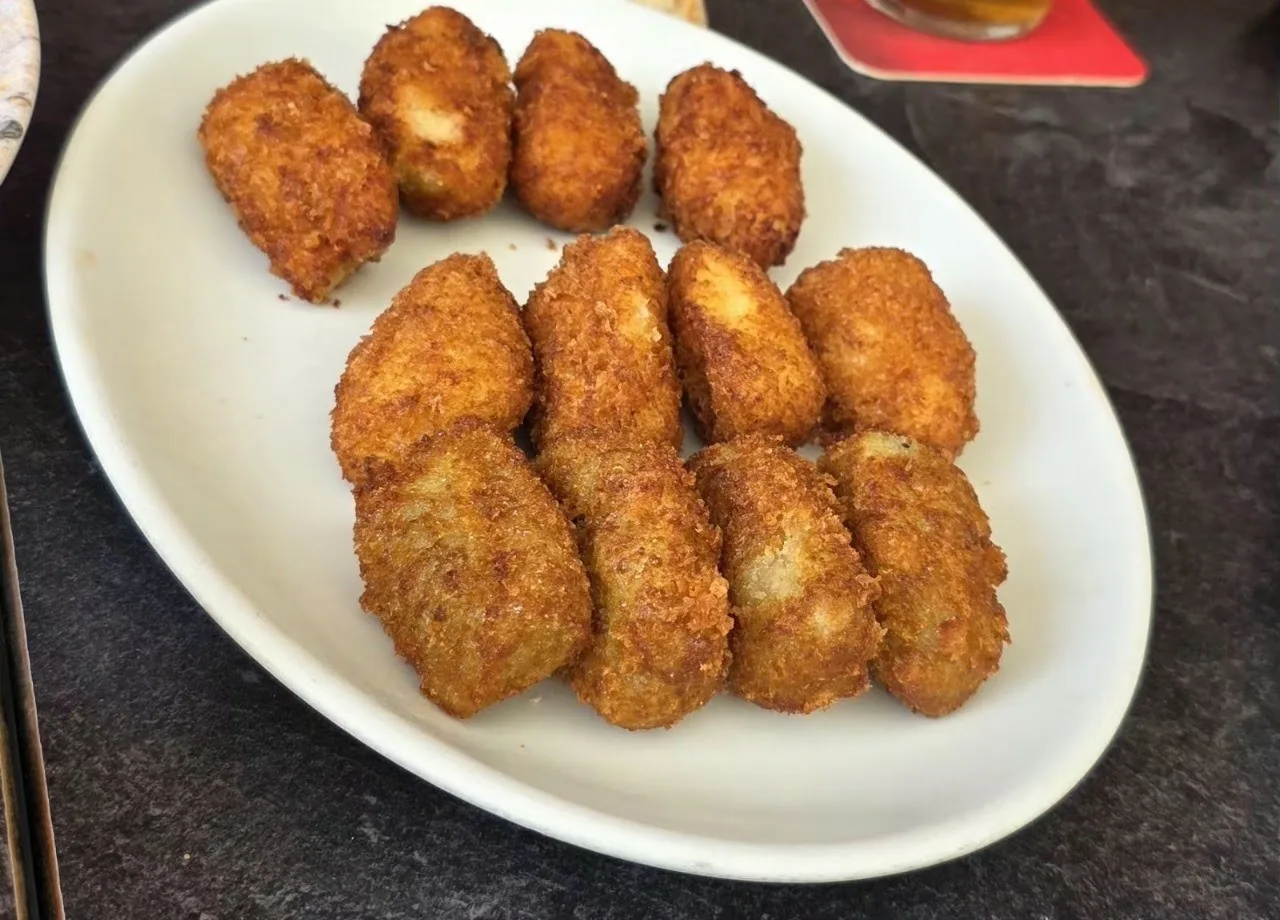
12. Bodegas Rosell — Centennial Delicias tavern near Atocha with a standout wine list
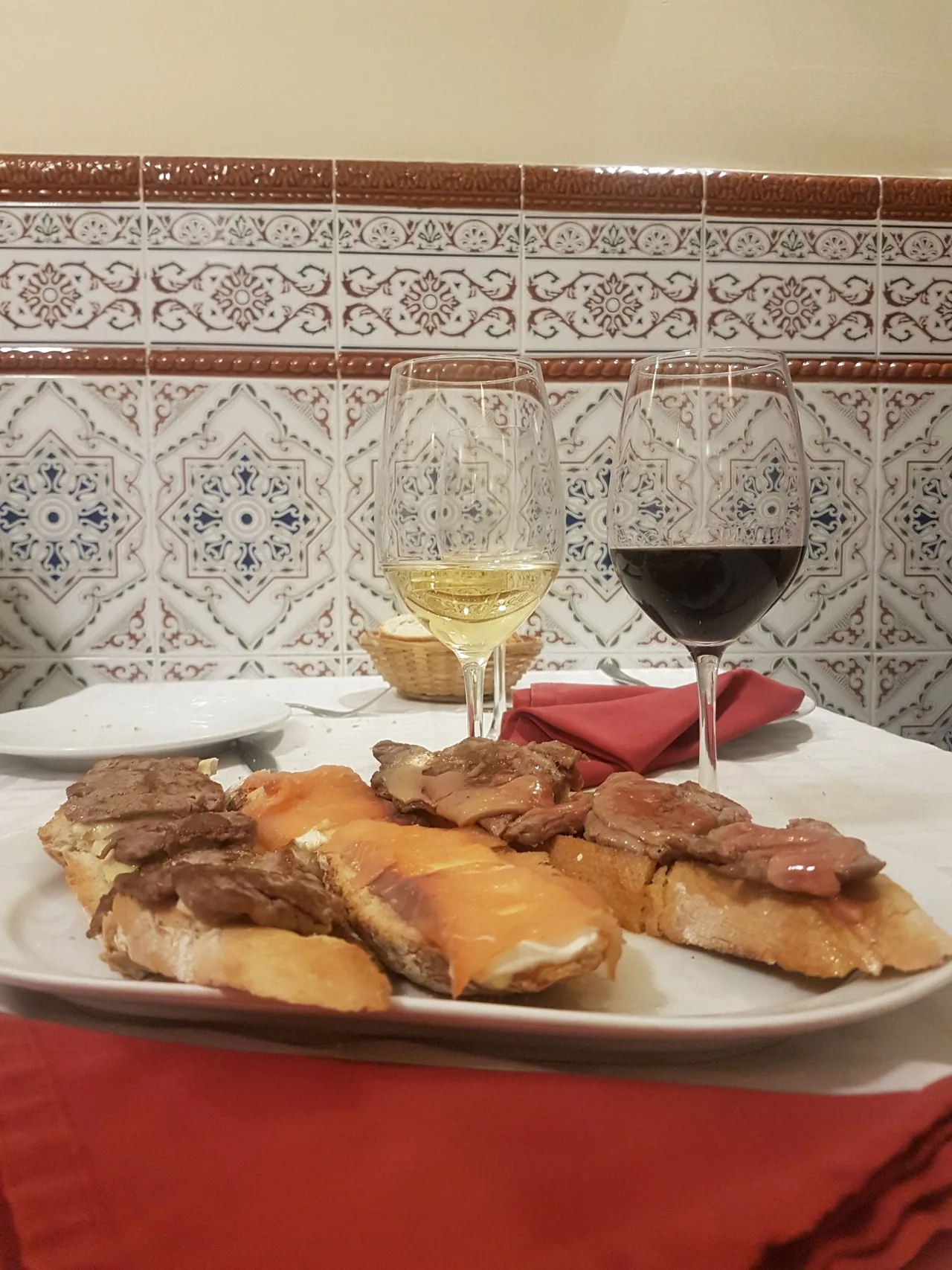
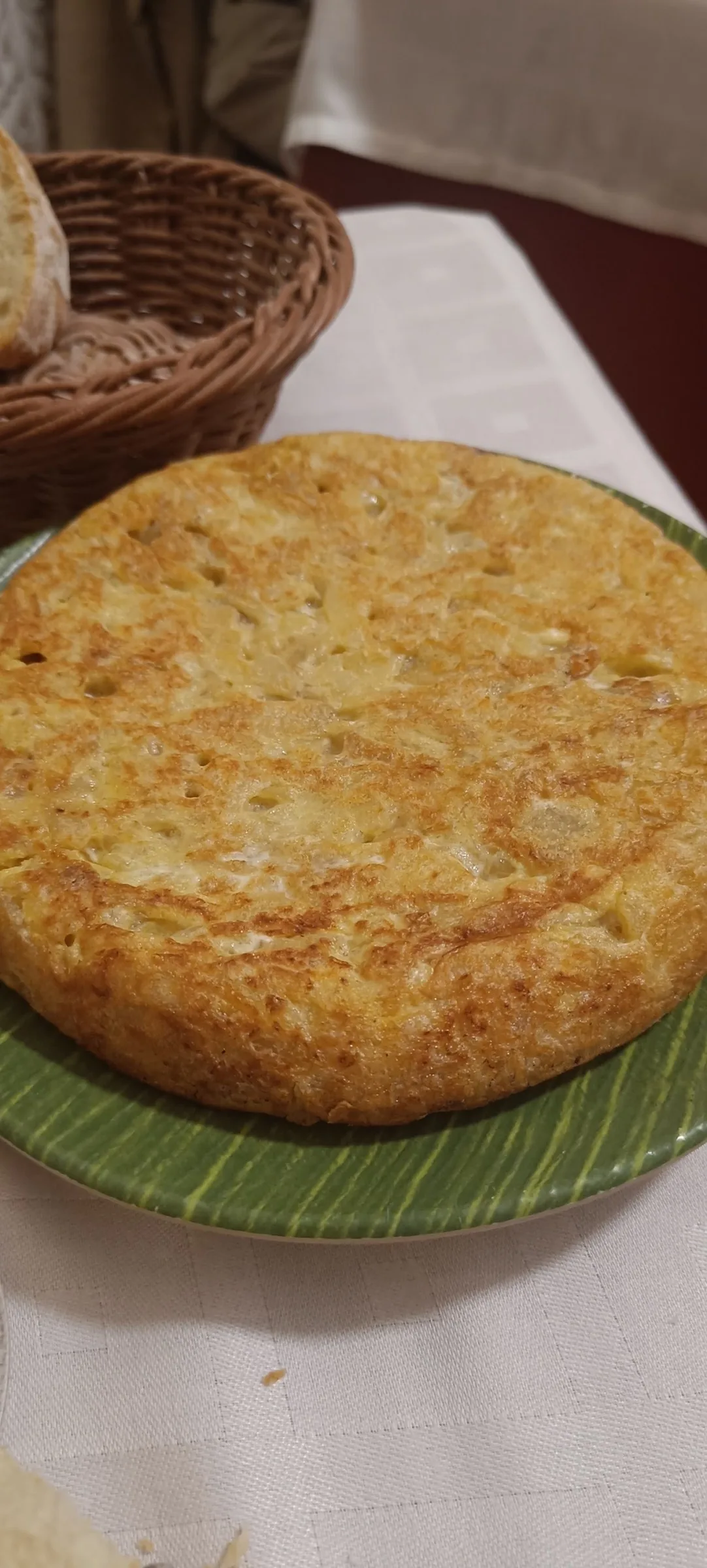
Bodegas Rosell is a traditional Madrid tavern on Calle General Lacy in Delicias, with a hundred years of history behind it, close enough to Atocha to walk from the station. The Rosell family turned an old bulk-wine shop near Atocha into this taberna in 1920. It's a classic, rustic room, ingredient-led and good value, and it's often hard to book. The carta runs Madrid-style tripe, snails in sauce, chorizo cooked in wine, and a homemade cocido broth by the cup alongside the fuller dishes, plus croquettes in ham, cabrales and cod versions. It holds a Repsol Solete, and the wine list matters as much as the food.
“Cien años de historia acogen a esta taberna situada a un paso de Atocha”— Macarfi
 La Tasca Suprema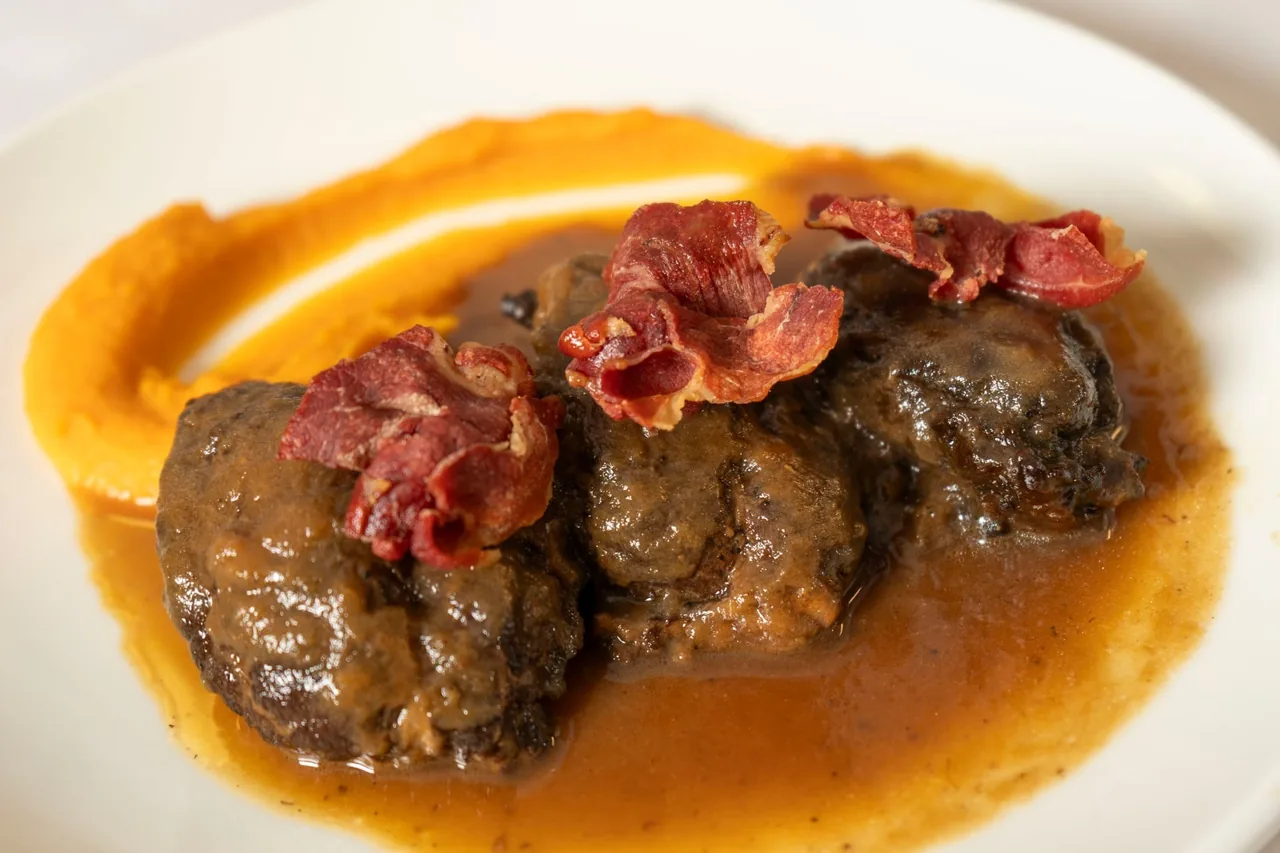
13. La Tasca Suprema — Justicia tasca since 1890, bar up front, room behind
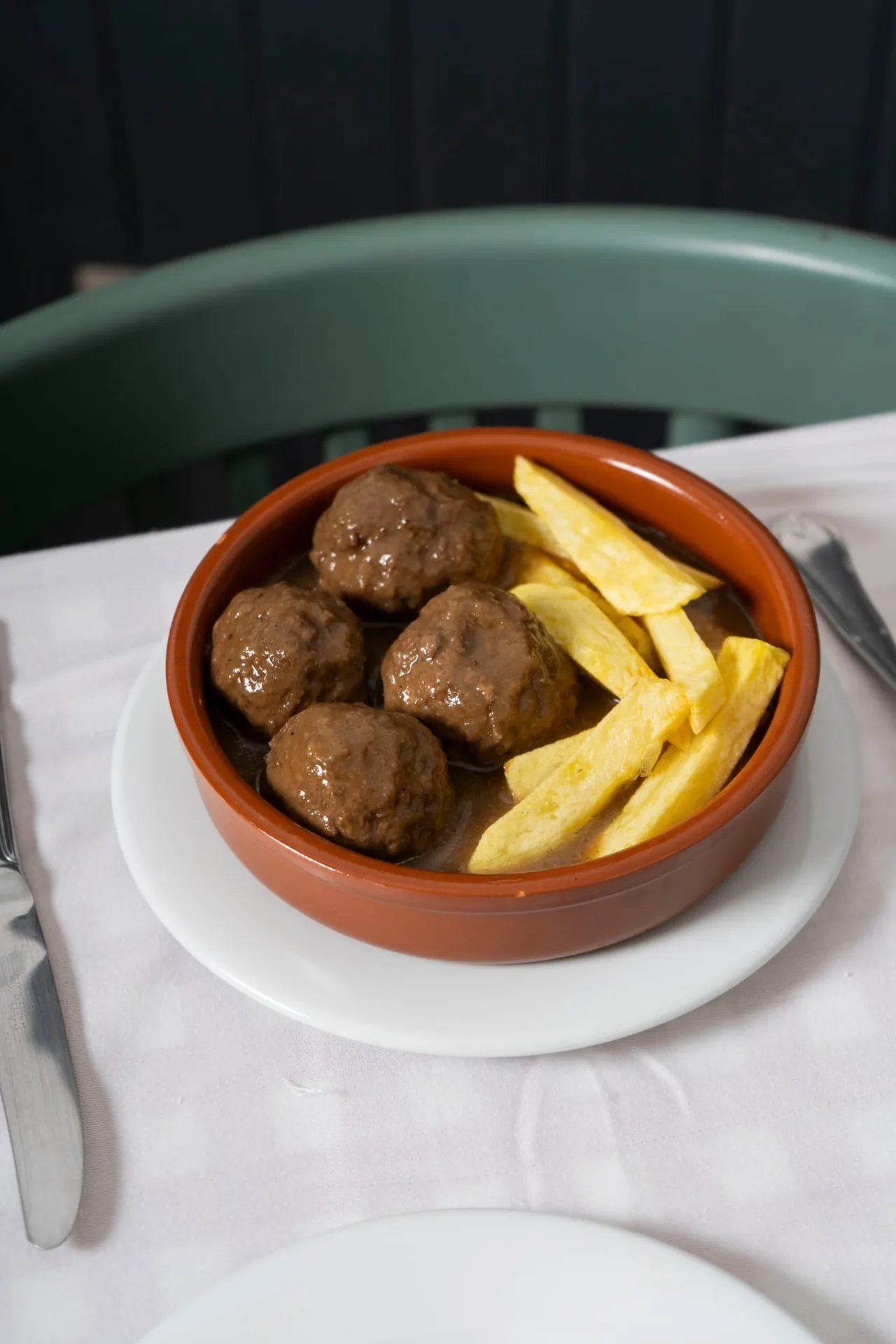
La Tasca Suprema has traded on Calle Argensola in Justicia since 1890. It still runs on the tasca pattern: a bar up front, a small classic dining room behind it, two long services a day and plenty of noise between them. The carta lists Madrid-style tripe, free-range broken eggs, braised oxtail and veal meatballs among the mains, with a rotating weekday special, stewed lentils on Wednesday, a sauteed vegetable medley on Thursday. It's one of the cheaper tables in central Madrid, and it holds no Michelin or Repsol distinction, just the neighbourhood habit of eating there.
“Tasca centenaria de alma madrileña que ha sabido modernizarse sin perder el ambiente cálido y desenfadado de las tabernas de siempre”— Macarfi
 La Ancha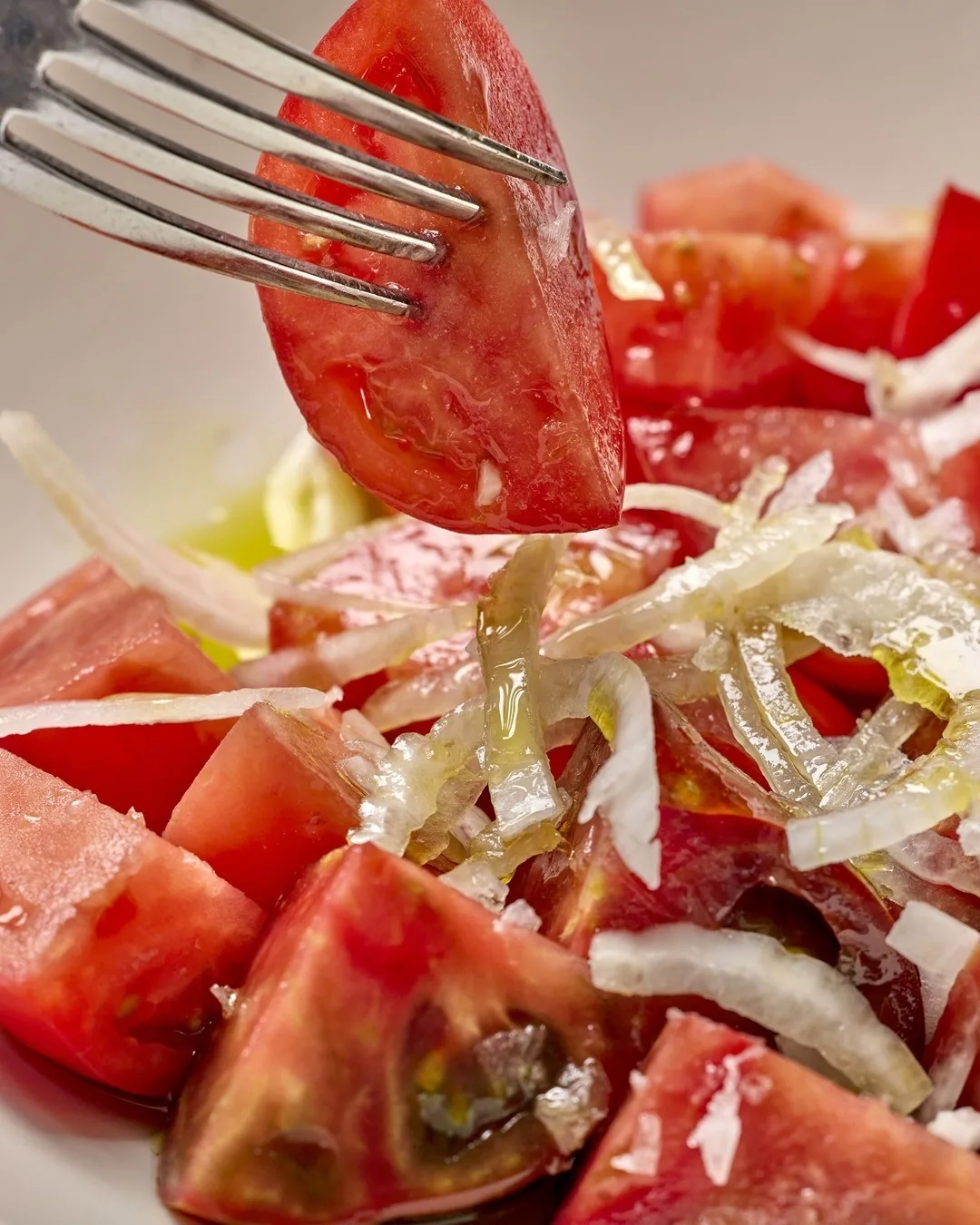
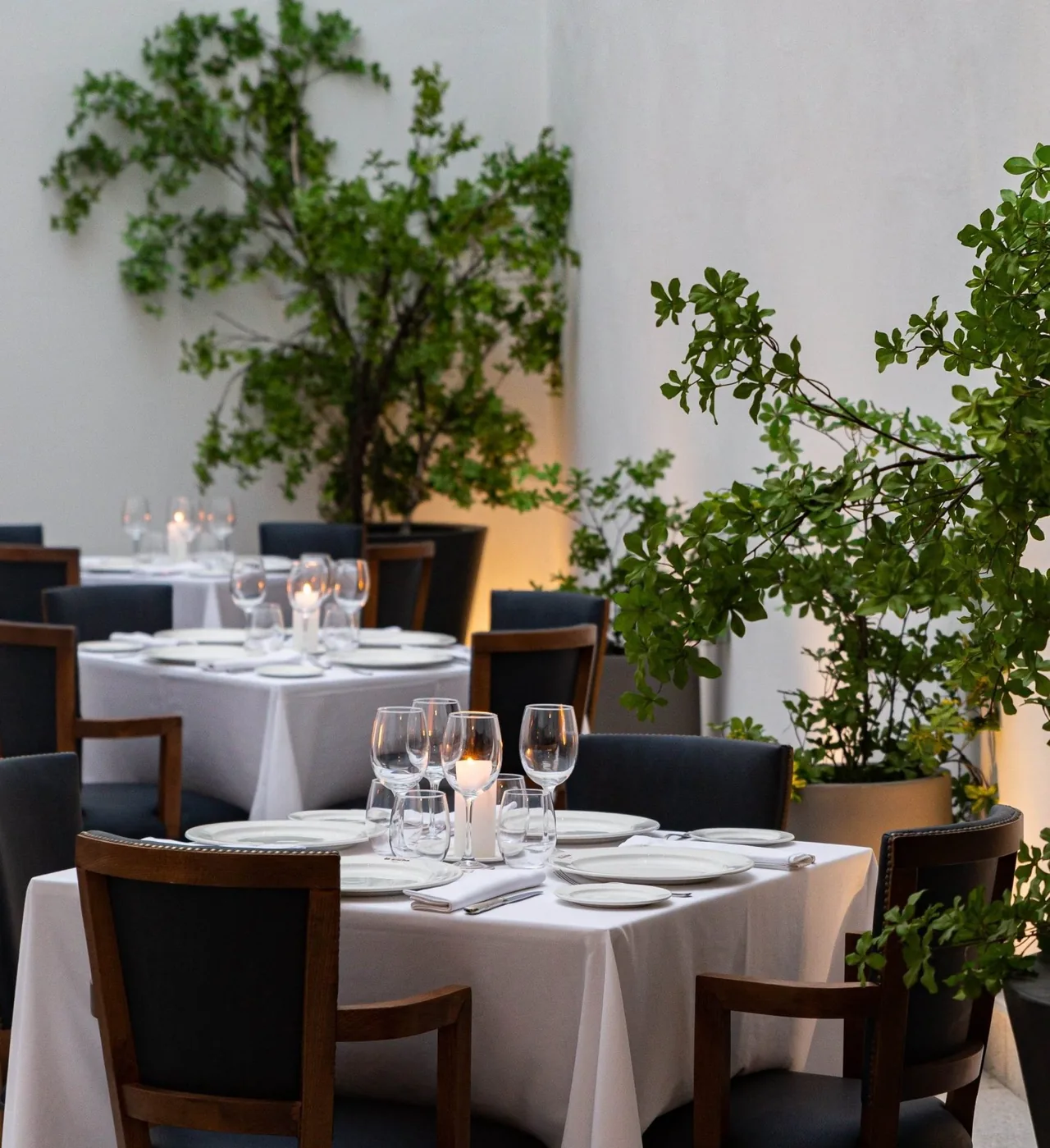
14. La Ancha — Century-old casa de comidas known for Escalope Armando
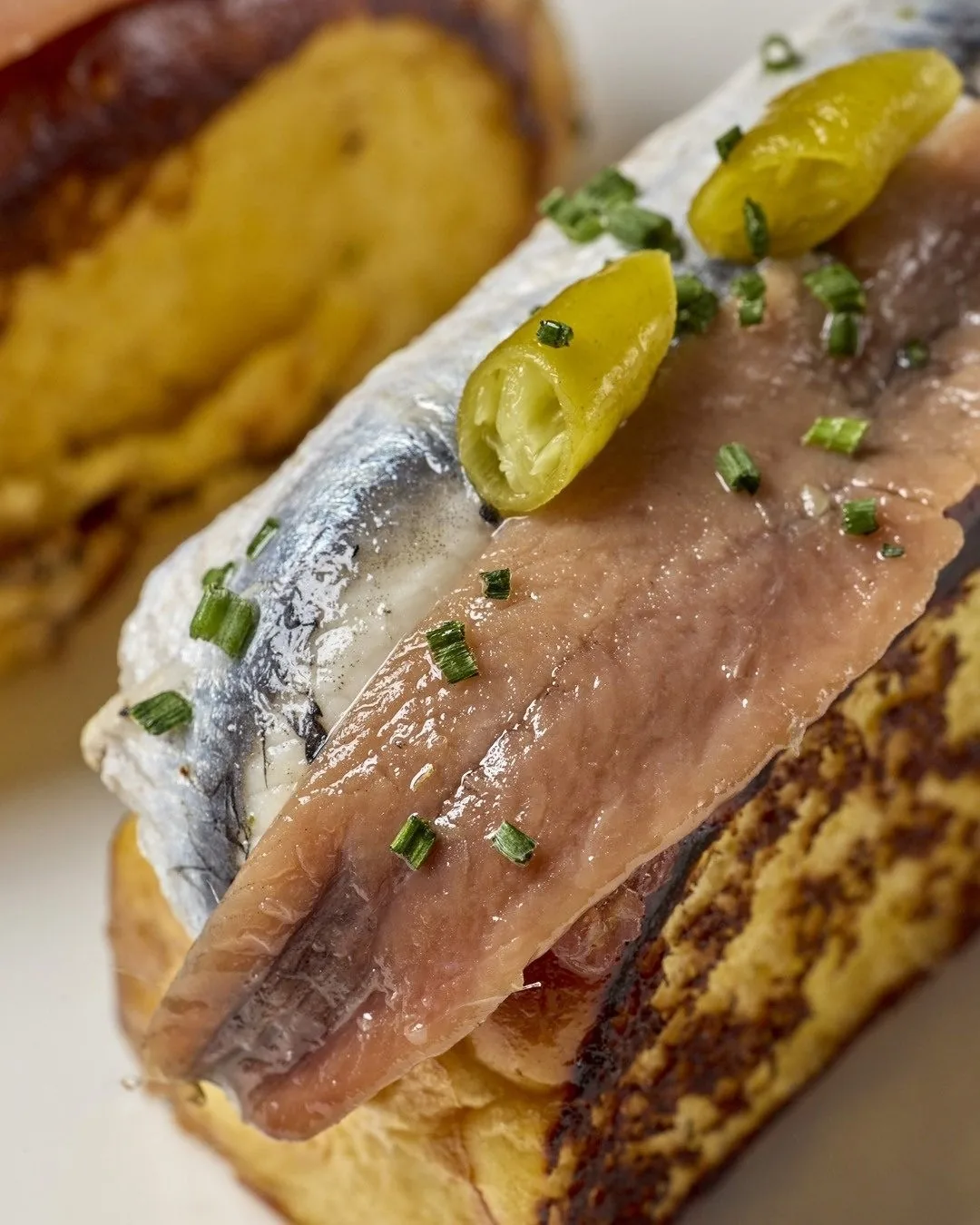
La Ancha is a family-run casa de comidas on Calle Zorrilla, in the Cortes barrio of Centro, with more than a hundred years of history behind it. This Calle Zorrilla house of the Redruello family opened in 1988. The kitchen keeps to simple, traditional recipes built on good produce, and the carta changes daily to keep pace with what's fresh at market. Escalope Armando, a breaded veal escalope, is the dish most associated with the house, served plain or with egg and truffle, alongside Madrid-style tripe and a long list of grilled and battered fish. It holds a Repsol Solete, and by its own account it's a genuinely hard table to get, so it's worth booking ahead rather than turning up and hoping.
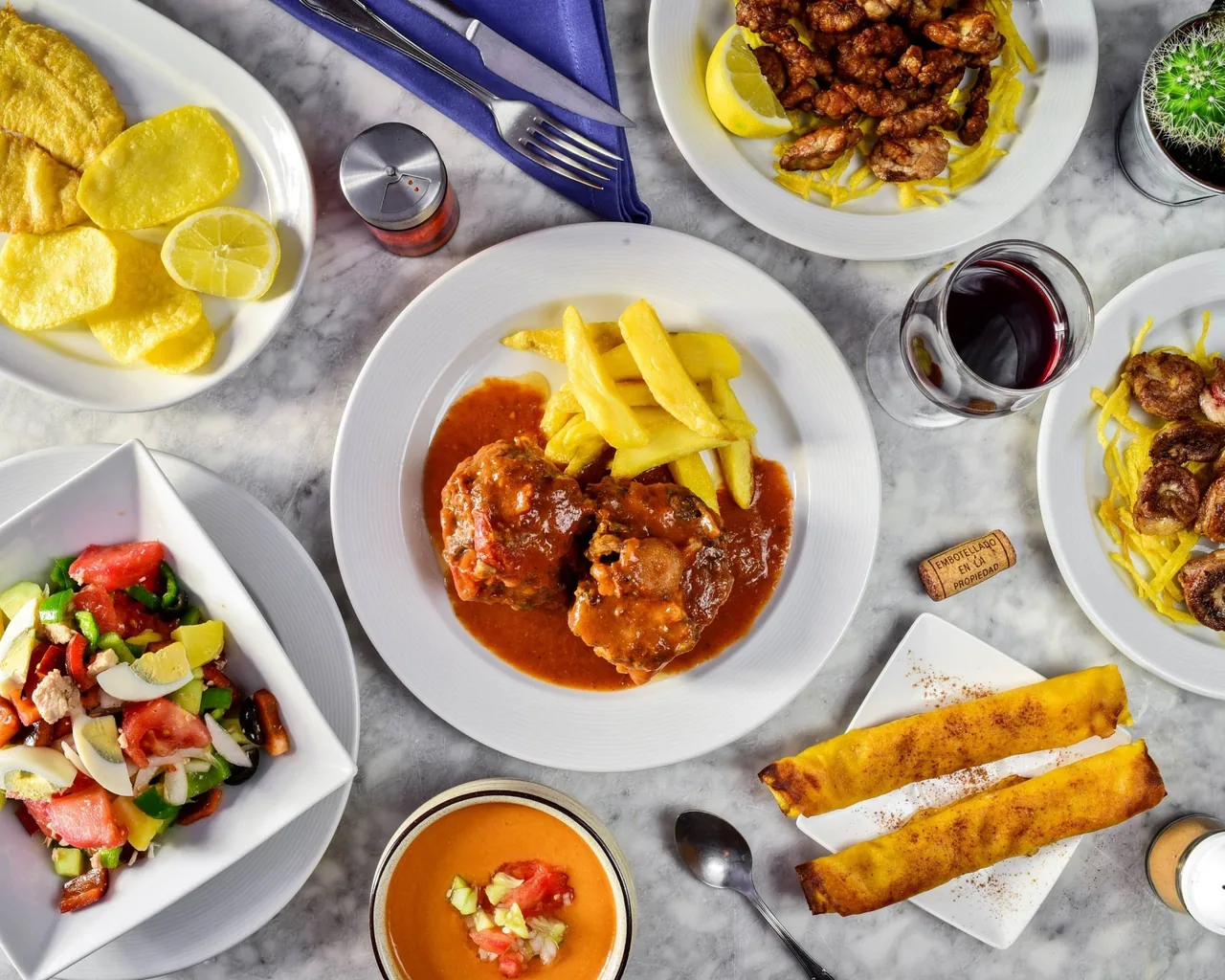 Casa Ricardo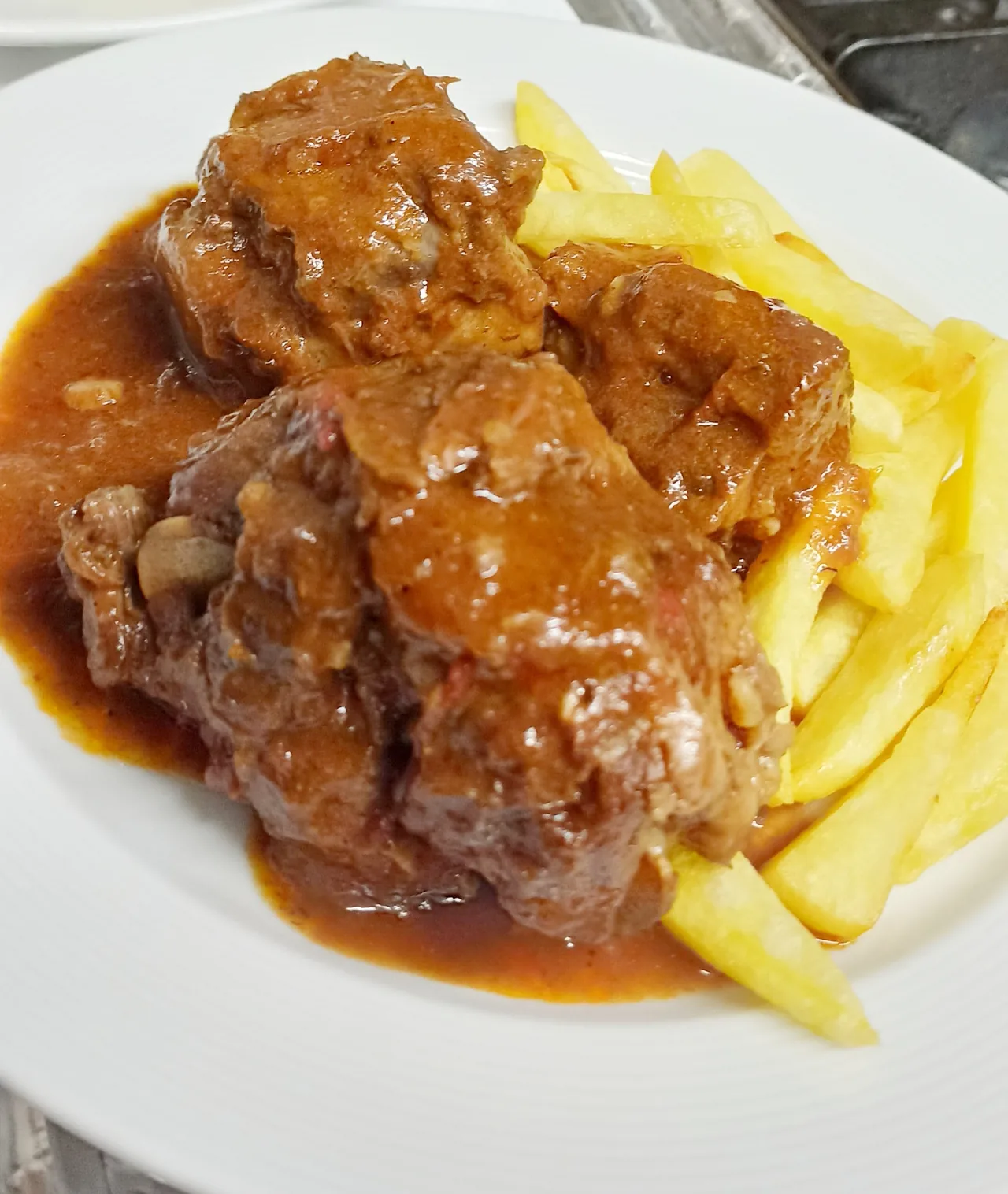
15. Casa Ricardo — Rabo de toro and gallinejas specialist in Chamberí since 1935
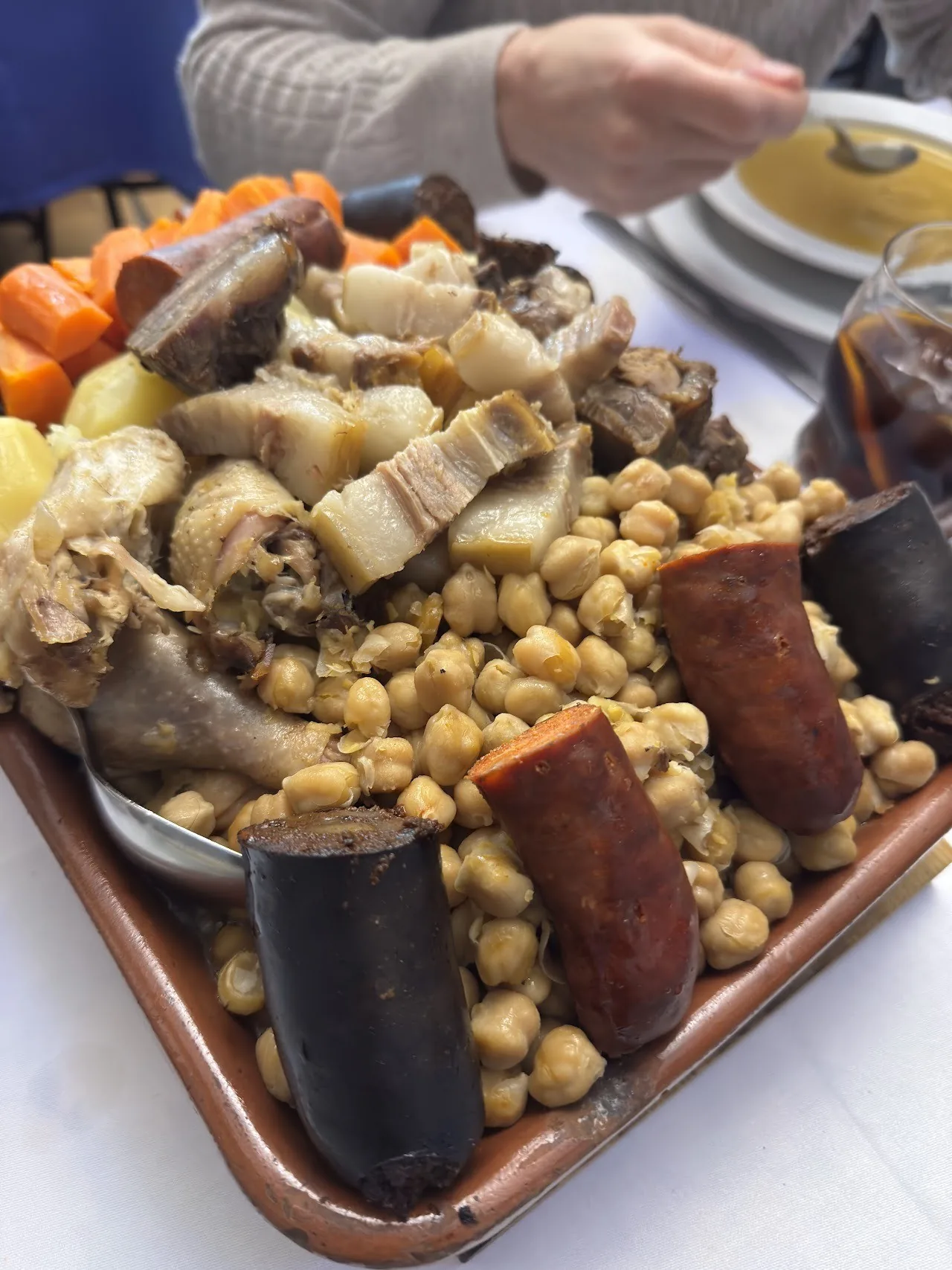
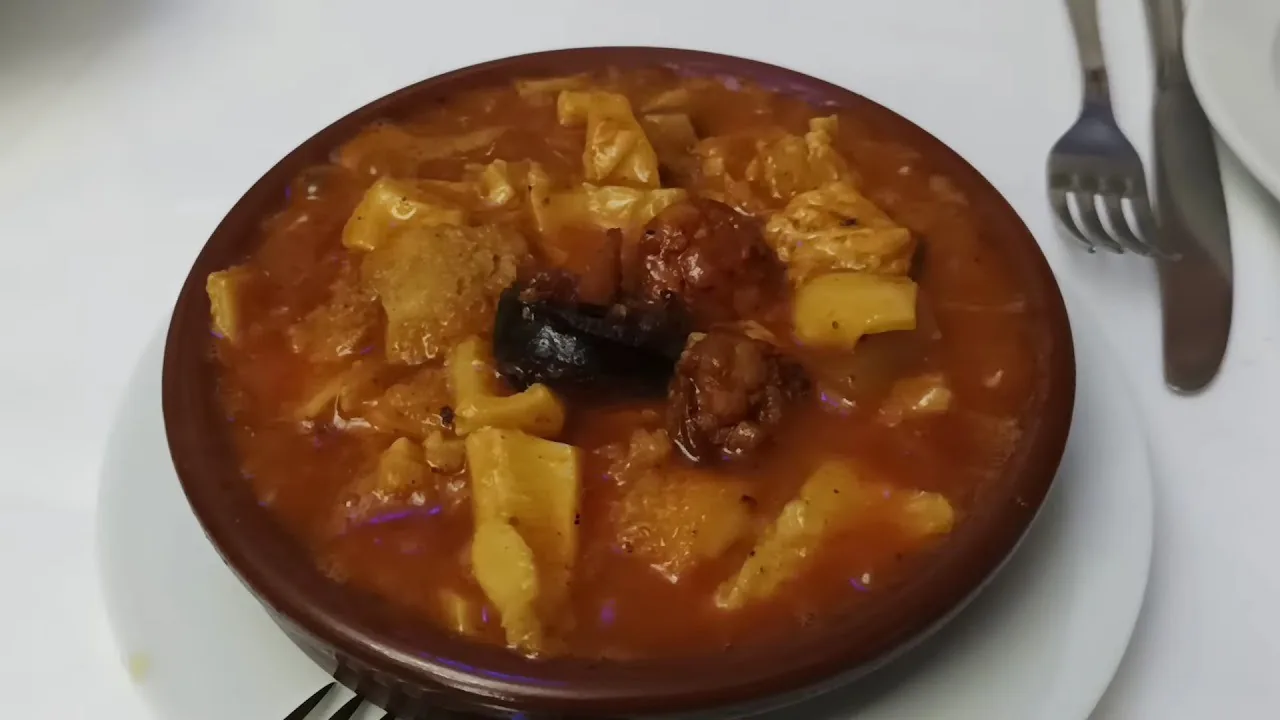
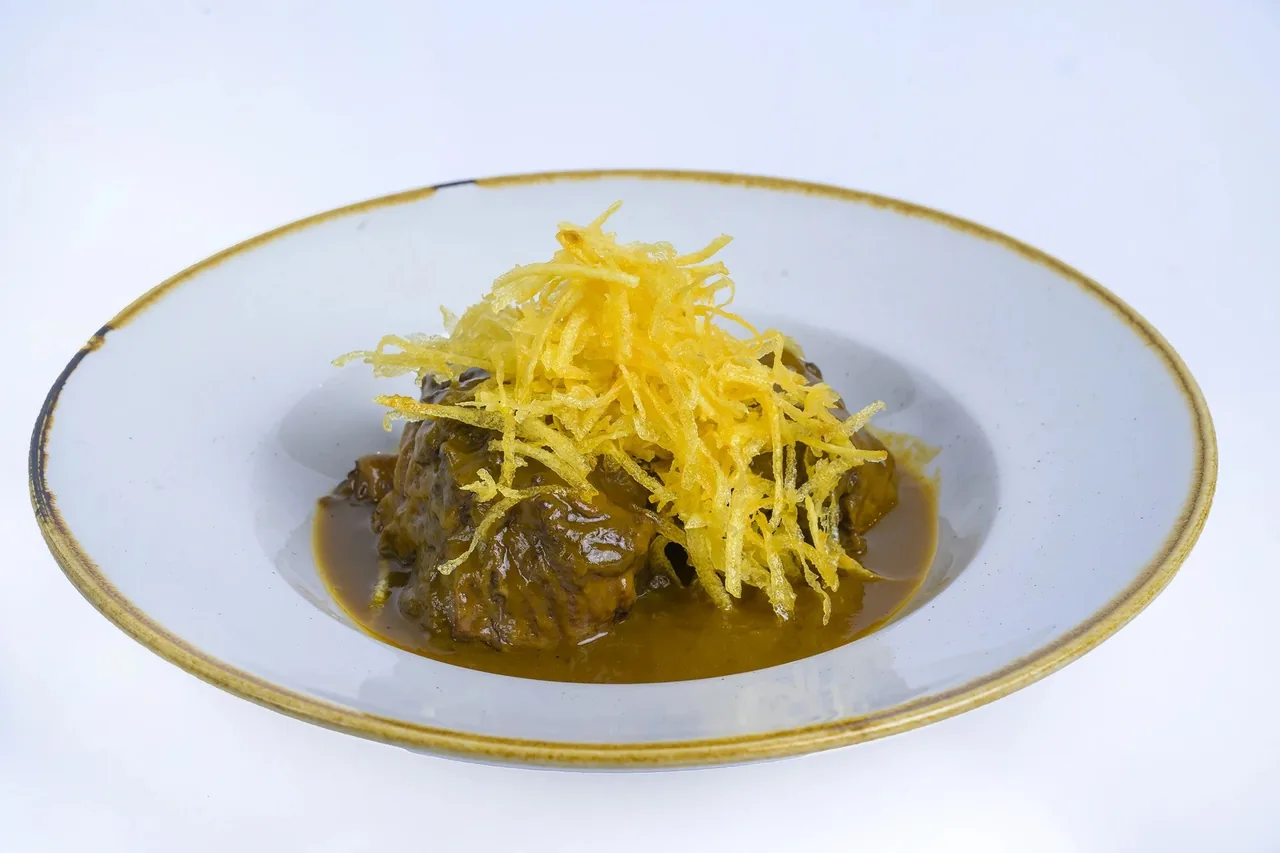
Casa Ricardo has cooked casera, traditional Spanish food in Chamberí's Arapiles quarter since 1935. The headline dish is rabo de toro, the slow-braised bull's-tail stew, and around it sit the Madrid classics: callos a la madrileña, roast lamb, and entresijos y gallinejas, fried lamb offal, on the specialties list. Cocido madrileño is made to order rather than run daily, listed on the current carta as available from October with a few days' notice. It's a lunch-focused casa de comidas whose tables suit groups and families, with a wheelchair-accessible entrance and paid parking nearby. The carta prices cocido madrileño at 27.10 euros per person and half portions of Madrid-style tripe at 10.90 euros.
 Casa Mundi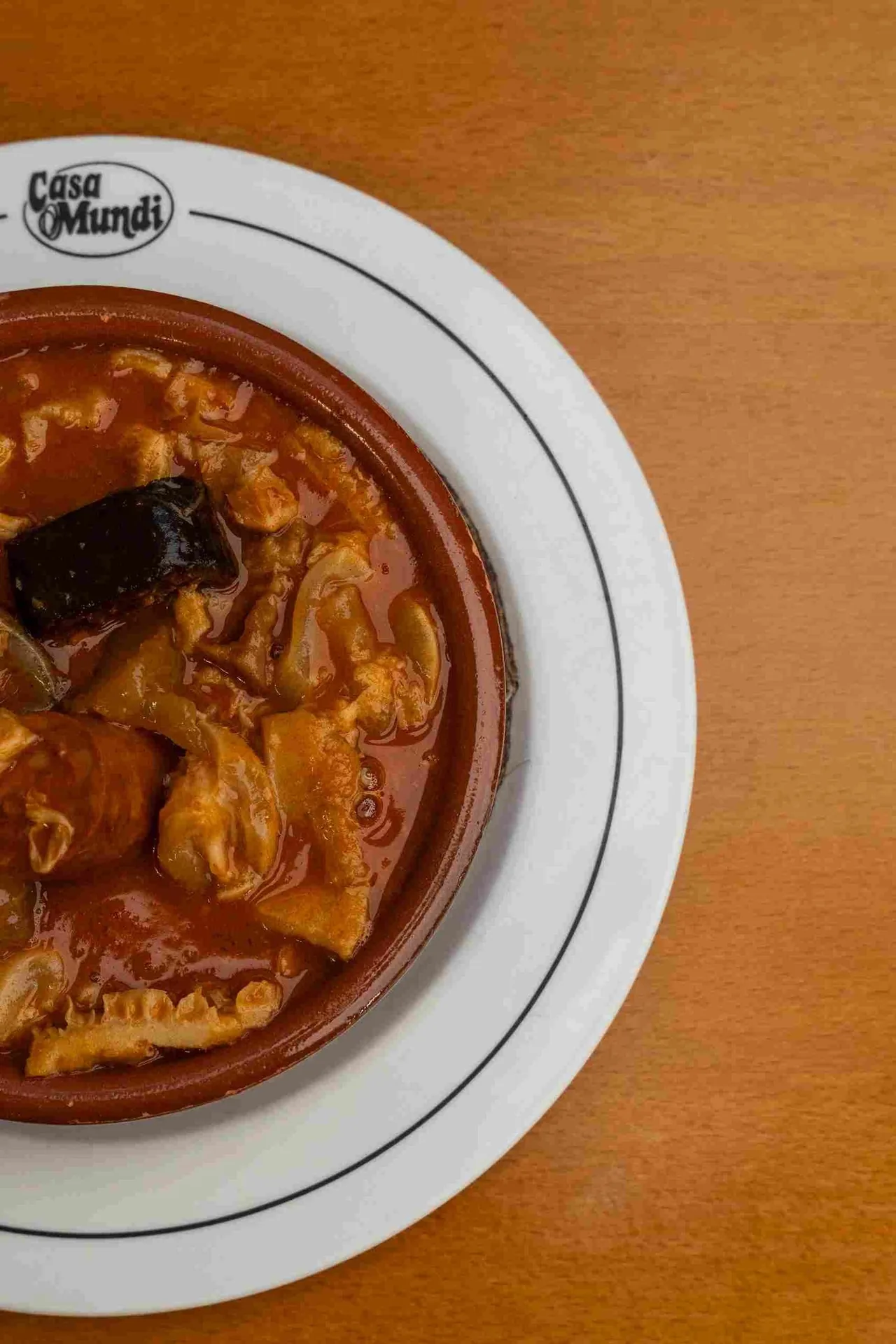
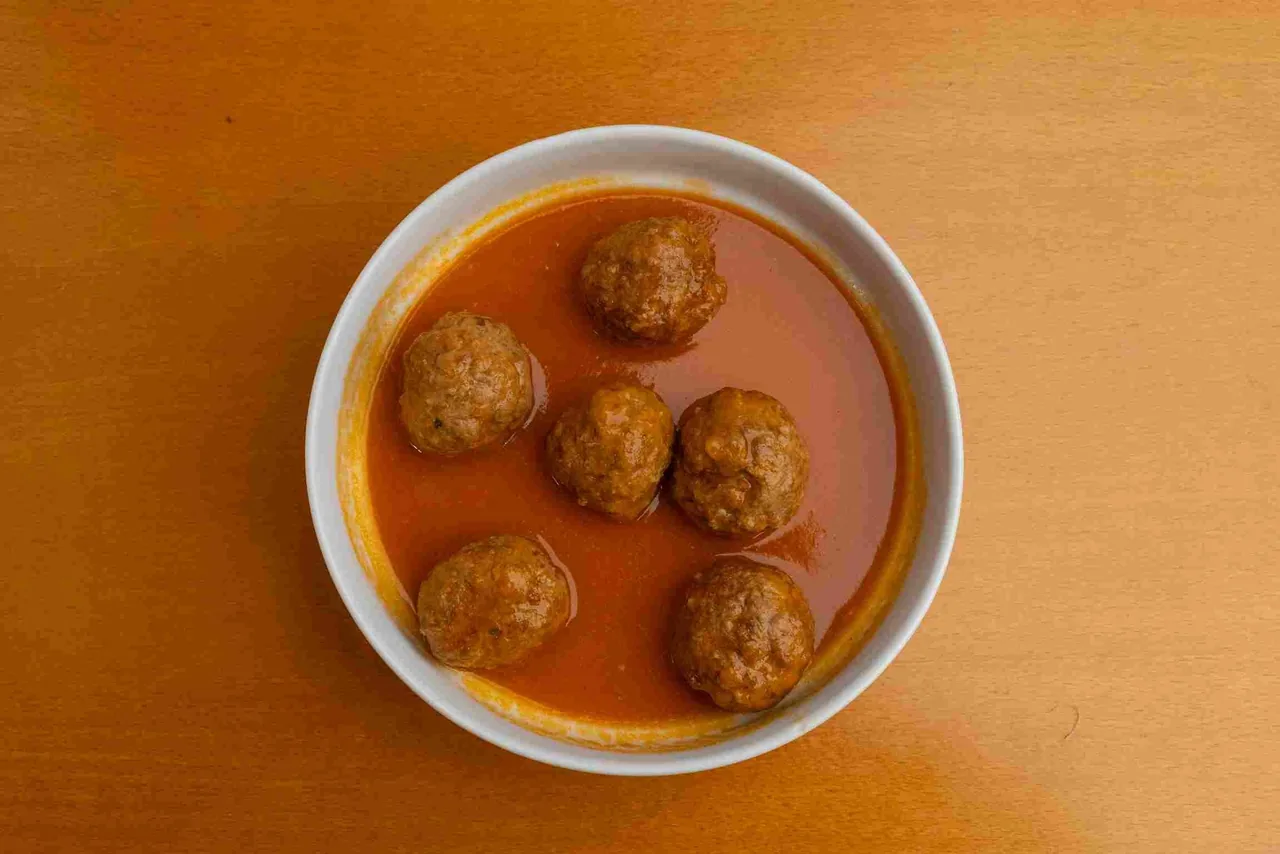
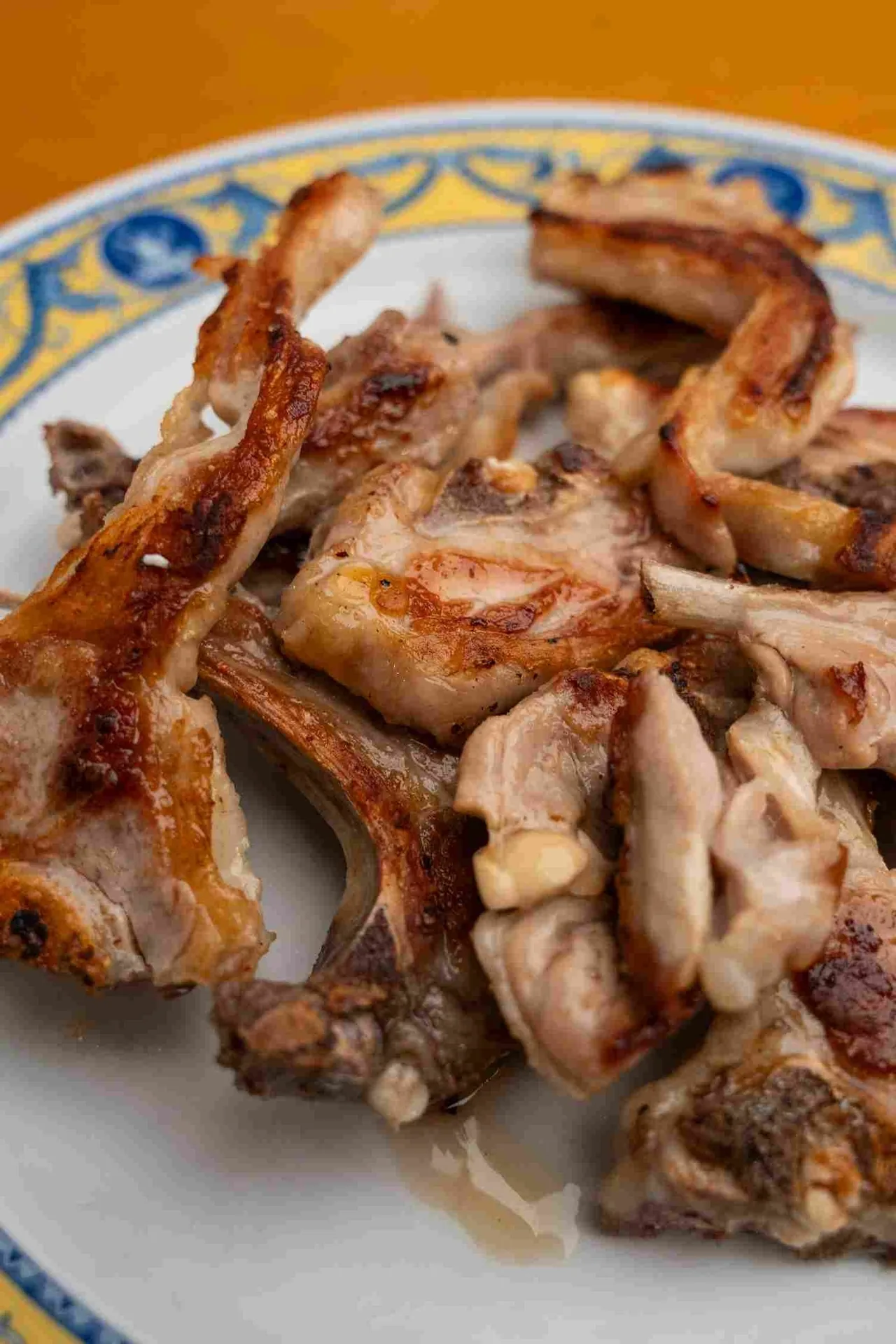
16. Casa Mundi — Chamberí institution built on hake, callos and huevos rotos
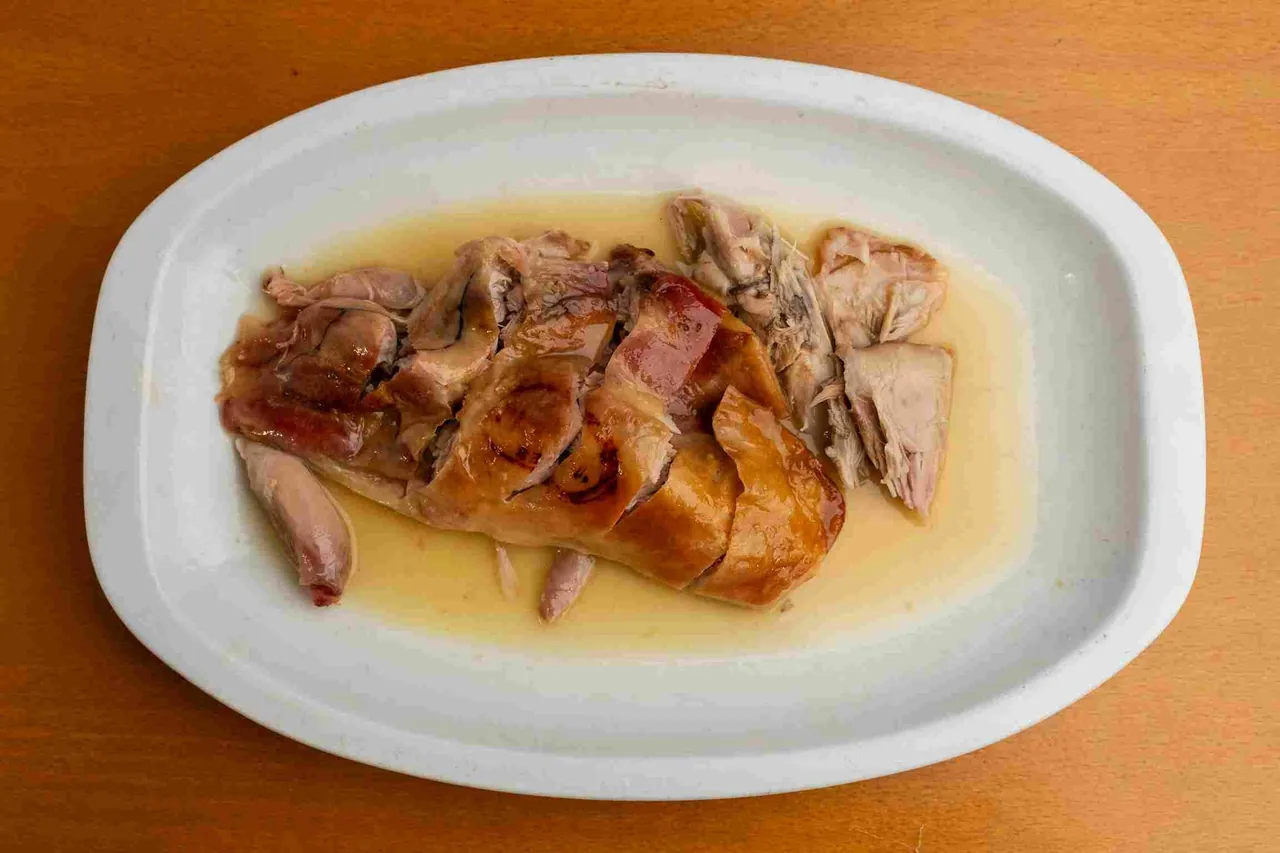
Casa Mundi is a traditional Spanish restaurant on Calle Donoso Cortes, in the Arapiles part of Chamberí. The kitchen leans on classics where the ingredient does the work: hake, huevos rotos, callos a la madrileña, lamb, chipirones en su tinta and chuletón, plus a Spanish tortilla and a short board of house desserts. The current menu lists callos a la madrileña at 16.50 euros, battered lamb brains, and sauteed baby lamb sweetbreads with garlic, alongside a stewed oxtail with a Robuchon-style mashed potato. Neither Michelin nor the Guía Repsol lists it, but the carta still runs long on offal and hake.
“Otro clásico del barrio de Chamberí, fundado en 1984”— Gastroactitud
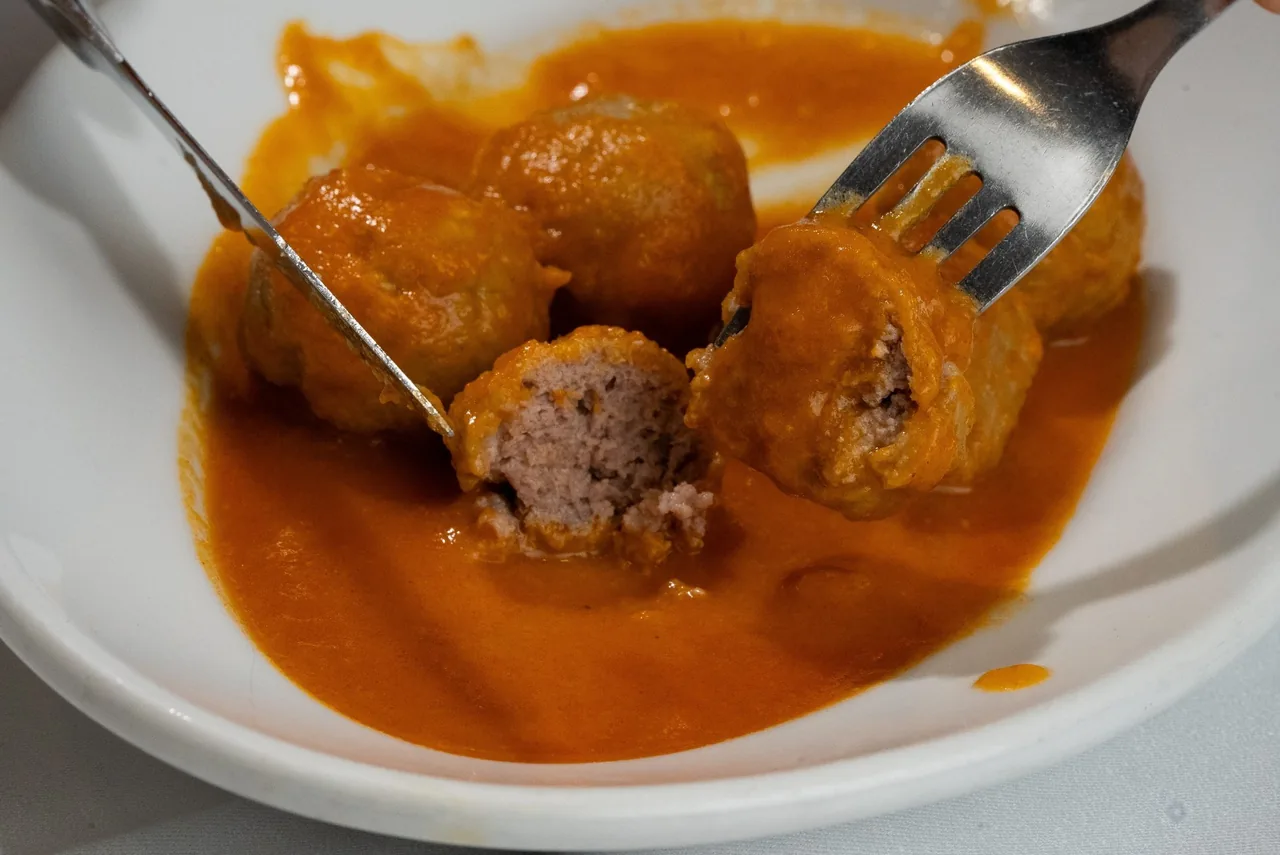 De la Riva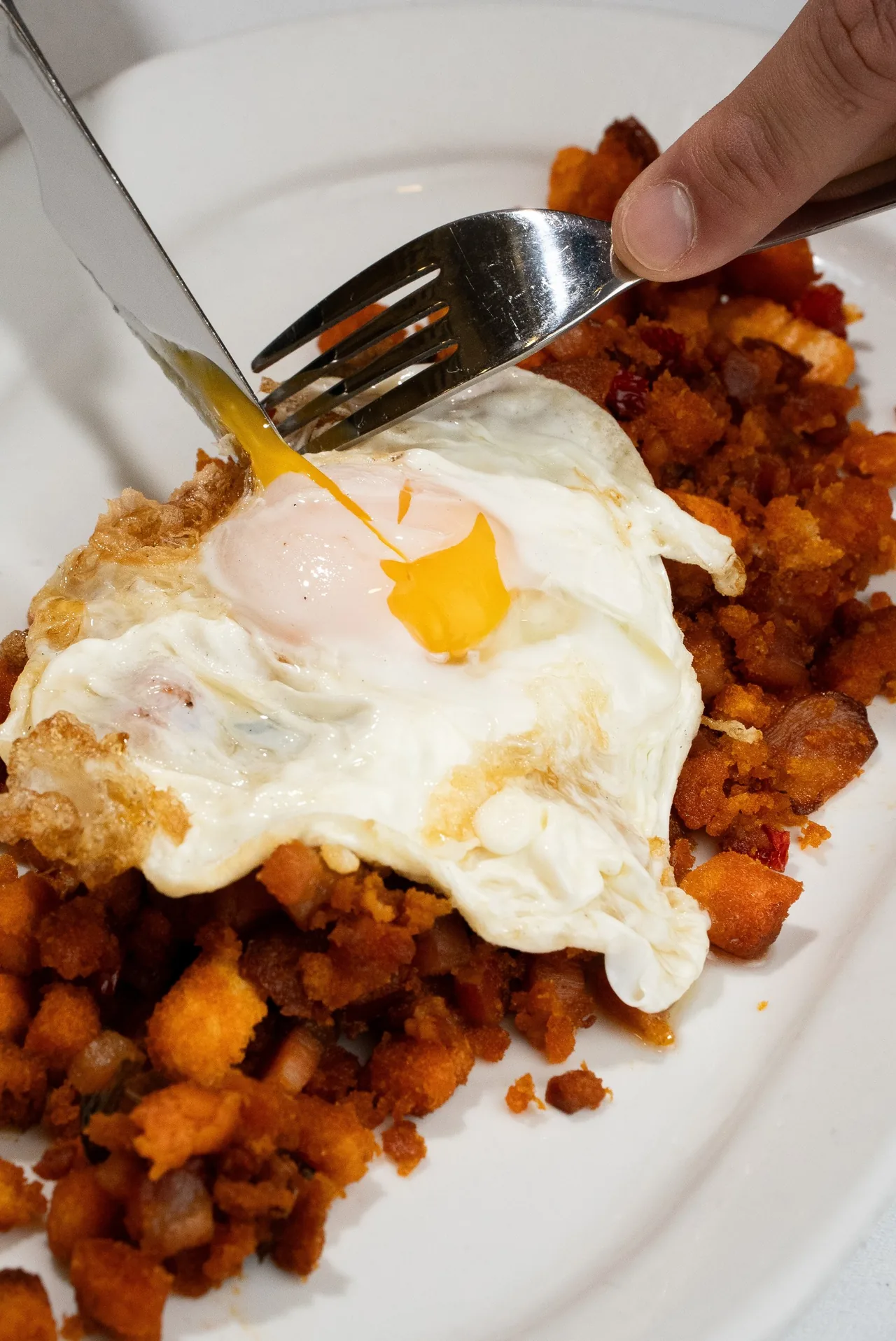
17. De la Riva — Casquería-focused casa de comidas by Mercado de Chamartín since 1932
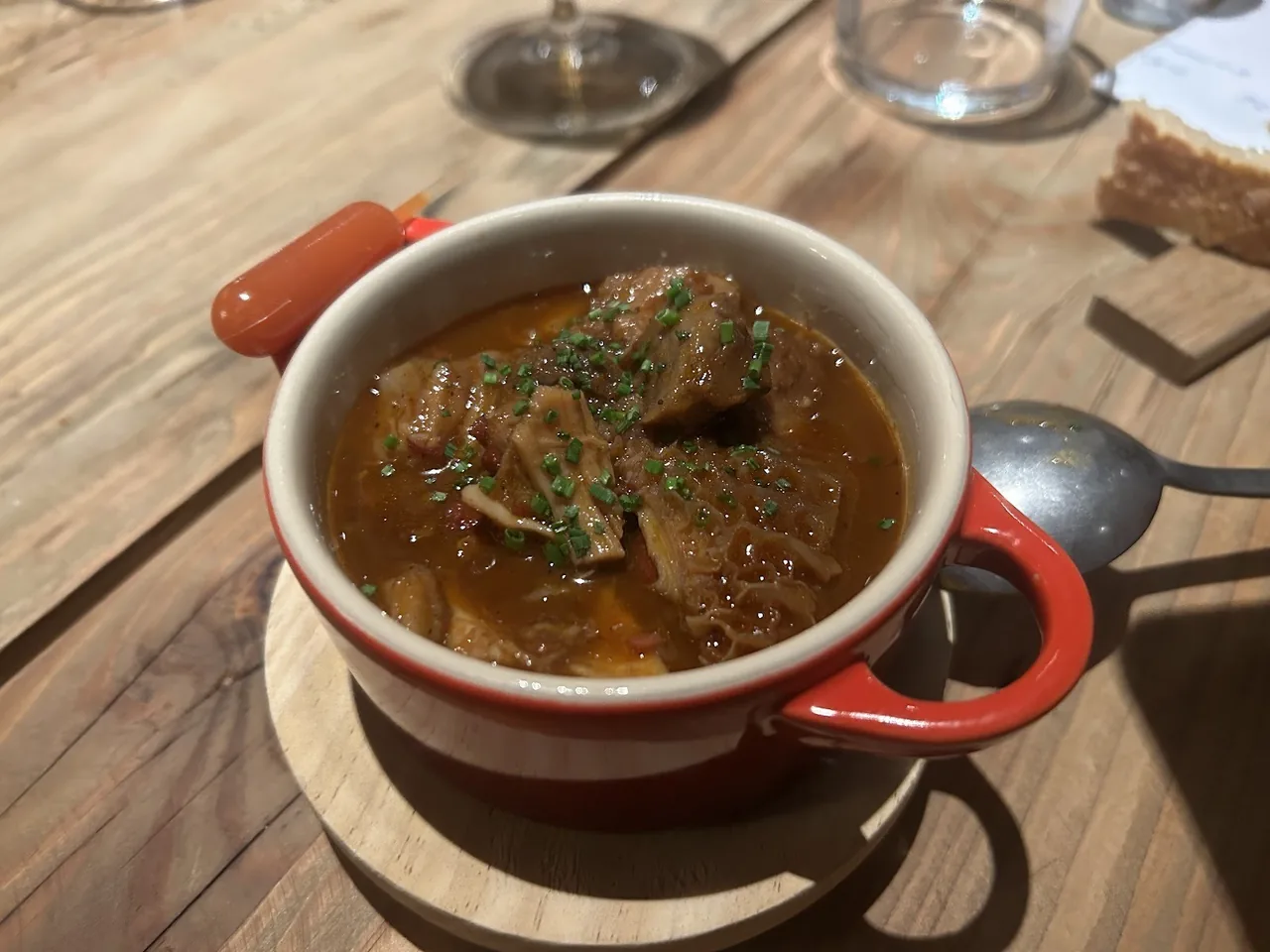
De la Riva is a casa de comidas founded in 1932 by Obdulia and Paulino De la Riva, and settled since 1984 on Calle Cochabamba, beside the Mercado de Chamartín. The house is unusually clear about its own format: Madrid cooking as a compendium of the recipes of Spain's other regions, cooked in the capital, with the casa de comidas as the traditional vehicle for it. The carta changes with the seasons and gets recited at the table as well as printed, with meat, fish and vegetables bought daily at the Chamartín and Maravillas markets. Casquería is the house strength, and the menu backs that up: tortilla de patata folded with callos, migas with fried egg, and Gredos snails with chorizo de Tineo. It's Recomendado in the Guía Repsol.
Also worth trying
Honourable Mentions
La Tasquería
Ríos Rosas
A Michelin-starred, avant-garde reinvention of casquería in Ríos Rosas, from chef Javier Estévez, more experimental than castizo.
La Catapa
Ibiza
A 2010 tavern in the Ibiza neighbourhood built as a homage to Madrid cooking, winner of the Academia Madrileña de Gastronomía's Best Bar/Taberna award in 2025.
The bigger picture
The castizo Scene in Madrid
Madrid's castizo scene runs from the world-famous to the resolutely local. Botín, on Calle de Cuchilleros, is the extreme case: Guinness World Records lists it as the oldest restaurant in the world, open since 1725, and it still roasts cochinillo in the original firewood oven. Around it sit taberna centenarias like Casa Alberto and Casa Lucio, both built into spaces that housed taverns before the restaurants themselves existed, and historic all-rounders like Lhardy and Café Comercial, where a single castizo dish, cocido, anchors a longer menu. Specialist counters sit at the other end of the scale: La Oreja de Jaime near Puerta del Sol narrows its whole operation to one dish, while La Tasquería, a few kilometres north in Ríos Rosas, takes the same casquería tradition and reworks it into Michelin-starred, avant-garde plates rather than a castizo carta. In between, neighbourhood casas de comidas, Casa Pedro, Casa Ricardo, Casa Mundi, De la Riva, keep the older format alive further from the tourist core, working from daily market produce and carrying callos, rabo de toro and casquería on cartas that don't chase trends.
Practical tips
Know before you go
A short survival guide for eating castizo in Madrid— everything we wish we’d known on our first trip.
- 1
One of these runs a single dish, not a full menu
La Oreja de Jaime is built around oreja a la plancha and little else, so don't expect a long carta there.
- 2
Summer closures are common
Casa Salvador shuts for all of August, and La Posada de la Villa closes from 3 August to 2 September, so check before planning a summer visit.
- 3
Booking matters more than the casual rooms suggest
La Ancha is famously hard to get a table at, and Bodegas Rosell is often fully booked too, so it's worth calling ahead rather than walking in.
- 4
Schedules vary a lot across a list this size
Café Comercial's cocido runs Thursdays only, and Casa Ricardo's runs from October, so check the specific restaurant's hours and calendar before you go.
- 5
Casquería and offal show up often
Tripe, brains, sweetbreads, kidneys, gallinejas and oreja appear across a lot of these menus. If you're not used to it, callos a la madrileña is usually the gentlest entry point.
Know the terms
Glossary
The vocabulary you need to order castizo in Madrid like a local.
- Castizo
- Something distinctly and traditionally of Madrid; applied to food, it usually means a kitchen cooking the city's own repertoire rather than dishes from other Spanish regions.
- Casquería
- The Spanish term for offal: tripe, brains, sweetbreads, kidneys, trotters, ears and tails, prepared as dishes like callos a la madrileña, gallinejas and rabo de toro.
- Casa de comidas
- A traditional, home-style Spanish eating house built around a short, changing menu of stews and simple cooked dishes rather than an a la carte format.
- Taberna centenaria
- A tavern more than a hundred years old; several on this list are registered with Madrid's Ayuntamiento as Comercios Centenarios or belong to the city's Asociación de Restaurantes y Tabernas Centenarios.
Questions
Frequently Asked Questions
All restaurants on this list were independently verified as open and serving the dishes described as of .
What is a castizo restaurant in Madrid?
+
A castizo restaurant cooks Madrid's own traditional repertoire, cocido madrileño, callos a la madrileña, huevos rotos, roast meats and casquería (offal dishes), rather than cuisine borrowed from other Spanish regions. The term also carries a wider sense of being distinctly and traditionally of Madrid.
Which is the oldest castizo restaurant in Madrid?
+
Botín, on Calle de Cuchilleros near Plaza Mayor, is listed by Guinness World Records as the oldest restaurant in the world, open since 1725. Casa Pedro's family traces its line back further, to a 1702 pilgrims' inn, though the current Castilian roast house dates from later.
Where can I get huevos rotos in Madrid?
+
Casa Lucio, on Cava Baja in La Latina, is the address most associated with huevos rotos (huevos estrellados), fried eggs over potatoes, and has served the dish since it opened in 1974.
Where can I try gallinejas in Madrid?
+
Casa Ricardo, in Chamberí's Arapiles quarter, keeps entresijos y gallinejas, the fried lamb offal that's a Madrid tradition, on its list of specialities alongside rabo de toro and callos.
What's the difference between a taberna and a casa de comidas?
+
A taberna is built around a bar first, with drinks and small plates served standing or at high tables. A casa de comidas is a home-style eating house organised around a short, changing menu of stews and cooked dishes, closer to a sit-down meal than a bar snack.
Are La Bola and Malacatín on this list?
+
Not yet. Both come up repeatedly in Madrid's castizo restaurant coverage, but we haven't published full pages for them yet, so we've left them out rather than publish incomplete details.
Which castizo restaurant in Madrid is good for callos?
+
Callos a la madrileña appears on the menu at several restaurants here, including Casa Alberto, Casa Lucio, Los Galayos, Botín, Casa Mundi and La Ancha, each cooking its own version.
Where can I find oreja (pig's ear) in Madrid?
+
La Oreja de Jaime, a small tapas bar on Calle de la Cruz near Puerta del Sol, is built around oreja a la plancha, grilled pig's ear dressed with paprika and olive oil.
Explore
Map

About the author
Justin Mota
Guidavera founder
Justin Mota is the founder of Guidavera. He has lived in Spain for over 10 years and runs a native AI agency alongside building this platform. Food has always been the way Justin connects with friends, and Guidavera started as the list he kept sending to everyone visiting Barcelona. He built it for himself and his friends first, and now hopes it can transform the way people discover great food experiences everywhere.
More about Justin→