 Photo: Can Culleretes
17 Best Restaurants in Ciutat Vella (Barcelona Old Town)
Introduction
The Barcelona Ciutat Vella List We Send to Friends
Ciutat Vella is Barcelona's old town, the official district that wraps up the Barri Gotic, El Born, El Raval and Barceloneta into one tangle of medieval streets and harbour-front terraces. It's also the part of the city where you're most likely to get burned: laminated picture menus, guys waving you in off the street, reheated paella near La Rambla. This is the list we send friends so they don't fall for any of that. It spans all four sub-neighbourhoods, leans on the places locals actually keep going back to, and runs from Barcelona's oldest restaurant (1786) to one-Michelin-star kitchens hidden behind quiet Gotic doors. If you want to go deeper into any one corner, we point you to the dedicated neighbourhood guides at the end.
The short answer
Key Picks at a Glance
In a hurry? These are the essential picks from our full ranking below.
- Most historicCan Culleretes
Open since 1786, Barcelona's oldest restaurant, still serving classic cuina catalana in the Barri Gotic.
- Best old-town institutionEl Xampanyet
A 1929 cava-and-anchovy bar that's the soul of Carrer de Montcada in El Born, with a Repsol Solete.
- Best fine diningCaelis
One Michelin star and two Repsol Soles under Romain Fornell, the old town's haute anchor in the Gotic.
- Best Barceloneta seafoodCan Sole
A four-generation rice and seafood house running since 1903, the historic anchor of the port quarter.
- Best cheap classicLa Cova Fumada
A cash-only, daytime Barceloneta tapas counter, reputed birthplace of the bomba, with no printed menu.
Before you order
A Guide to Ciutat Vella in Barcelona
What and where is Ciutat Vella?
Ciutat Vella means 'old city' in Catalan, and it's the central district of Barcelona that contains four historic quarters: the Barri Gotic (the Gothic Quarter, postcode 08002), Sant Pere, Santa Caterina i la Ribera which includes El Born (08003), El Raval (08001), and La Barceloneta, the old fishermen's quarter by the port. La Rambla runs straight through it, and the Boqueria market sits right off the boulevard. Each quarter has its own character: the Gotic is dense and medieval, El Born is the design-and-wine set, El Raval is grittier and more mixed, and Barceloneta is all seafood and sea. Plenty of 'best of Barcelona' lists quietly mix in Eixample or Gracia spots that aren't actually in the old town at all.
How do you avoid the tourist traps here?
Ciutat Vella is, by a wide margin, the most tourist-trap-dense district in Barcelona. The tells are consistent: picture menus displayed outside, staff inviting you in from the street, spit-roast chickens turning in the window, paella priced suspiciously low near La Rambla or the harbour front-line. The fix is simple. Walk one street back from the main artery, look for places that still draw locals at lunch, and favour the historic family houses and credentialled kitchens over anything chasing footfall. Plaça Reial, the lower stretch of La Rambla and the Barceloneta beachfront row are where the worst of it clusters. Every venue on this list has cleared that screen.
What should you eat in the old town?
The old town is where Barcelona's deepest food traditions live. In Barceloneta it's rice and seafood: arros negre, fideua, zarzuela, and the bomba, a breaded potato croquette with a spicy kick that was reportedly born in La Cova Fumada. In the Gotic and El Born it's classic cuina catalana (canelons, capipota, bacalla) plus the cava-and-anchovy tapas culture of places like El Xampanyet. El Raval has become the old town's quiet engine room for ambitious cooking, from Asian-Spanish tapas to creative Catalan. And the Boqueria market gives you the rare chance to eat genuinely well standing at a counter inside the stalls.
How We Built This List
Years of Eating, Asking, and Going Back
This is a cross-district curation, not a popularity ranking. We built it by taking the strongest screened picks from each of Ciutat Vella's four neighbourhoods and balancing the final list so no single quarter dominates. Ordering follows subject authority: historic importance first, then specialist reputation and credentials like Michelin stars and Repsol Soles, then how consistently a place earns its standing with the people who eat there. We deliberately excluded the volume-chain operations, the spit-roast coach-tour restaurants, and the beachfront and Rambla traps that win on location rather than the plate. No restaurant pays for placement, and Guidavera has no affiliate or sponsorship relationship with any venue here.
More on how we rank: our methodology and quality standards.
At a glance
The 17 Best Old Town Restaurants, Compared
Quick reference table. Click any name to jump to the full review.
| # | Restaurant | Neighbourhood | Price | Distinction | Signature dish |
|---|---|---|---|---|---|
| 1 | Can Culleretes | el Barri Gòtic | €€ | — | Eggs with Iberian ham and potatoes |
| 2 | El Xampanyet | Sant Pere, Santa Caterina i la Ribera | €€ | Repsol Solete | Mussels in escabetx sauce (4/6 units) |
| 3 | Can Sole | la Barceloneta | €€€ | — | Clams a la marinera |
| 4 | La Cova Fumada | la Barceloneta | € | — | — |
| 5 | Cal Pep | Sant Pere, Santa Caterina i la Ribera | €€€ | — | Clams with ham |
| 6 | Bar La Plata | el Barri Gòtic | € | Repsol Solete | Pescadito (fried small fish) |
| 7 | Caelis | el Barri Gòtic | €€€€ |  Michelin Michelin | Caelis Menu |
| 8 | Estimar | Sant Pere, Santa Caterina i la Ribera | €€€ | 2 Repsol Soles | Cantabrian salted anchovies and bread with tomato |
| 9 | Dos Palillos | el Raval | €€€€ | Michelin | Dos Palillos Menu |
| 10 | Cañete | el Raval | €€€ | — | Lobster croquette with our secret ingredient (unit) |
| 11 | Koy Shunka | el Barri Gòtic | €€€€ | Michelin | Menu Koy |
| 12 | Can Ros | la Barceloneta | €€ | Repsol Solete | La bomba de la Barceloneta (each) |
| 13 | Bar Brutal | Sant Pere, Santa Caterina i la Ribera | €€ | Repsol Solete | — |
| 14 | El Quim de La Boqueria | el Raval | €€ | Repsol Solete | Cantabria salted anchovies |
| 15 | Casa Maians | la Barceloneta | €€ | — | — |
| 16 | 4 Gats | el Barri Gòtic | €€ | — | Traditional 4Gats canelons with slow-cooked meat au gratin |
| 17 | El Vaso de Oro | la Barceloneta | €€ | Repsol Solete | Cantabrian anchovies (per fillet) |
The ranking
17 Best Old Town Restaurants in Barcelona
Can Culleretes


1. Can Culleretes — Barcelona's oldest restaurant, open since 1786
Can Culleretes opened in 1786, which makes it the oldest restaurant in Barcelona and the clearest living link to the city's old-town dining culture. It sits deep in the Barri Gotic and it has never tried to be anything other than what it is: a proper cuina catalana house. The kitchen keeps to the recipes everyone's grandmother made, the canelons 'els de sempre', escudella, fricando de vedella amb carxofes, bacalla a la llauna, peu de porc al cava. There's a weekday set lunch around 21.50 euros and a 25 euro weekend menu, with most a la carte mains landing between 12.50 and 26.50 euros. It's not the most modern food in the district and it isn't trying to be. You come for the history and the honesty, both of which are real.
 El Xampanyet


2. El Xampanyet — 1929 cava-and-anchovy bar, the soul of Carrer de Montcada
El Xampanyet has been pouring house cava and serving anchovies on Carrer de Montcada since 1929, a few doors from the Picasso Museum, and it carries a Repsol Solete. The signature is the Cantabrian anchovies, served as a generous saucer-sized portion, and the house cava goes for around a couple of euros a glass. Beyond that it's the classics done right: tortilla, jamon iberico, pimientos de padron, the mussels in escabetx. You'll spend somewhere around 30 euros a head without drinks. It gets packed, there's not much room, and that's the point. Squeeze in at the marble bar, order a few things, and you've got the old-town tapas ritual exactly as it's meant to be.
 Can Sole


3. Can Sole — Four generations of Barceloneta rice since 1903
Can Sole opened in 1903 and is still run by the family that started it, four generations on. That continuity is the whole story with a seafood house: technique gets handed down the same way a stock gets built, one correction at a time, and it shows the moment the rice arrives. The kitchen stays close to traditional cocina marinera, built around the day's catch from the Barcelona coast. Rices and fideuas are the house signature, the arros caldos amb llamantol and black rice with cuttlefish turn up on regulars' tables again and again, and the zarzuela fish stew is a classic order. Starters lean on Iberico ham, anchovies, and clams a la marinera. It's upscale rather than cheap, the dining room is warmly old-school, and weekend lunch fills fast, so book ahead.
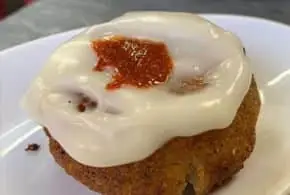 La Cova Fumada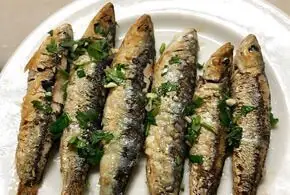
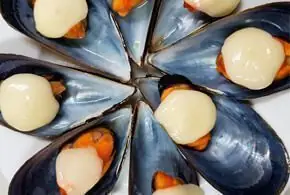
4. La Cova Fumada — Reputed birthplace of the bomba, cash-only and daytime
La Cova Fumada has been a Barceloneta institution since 1944, and it's widely credited as the birthplace of the bomba, the breaded potato ball with a spicy kick that's now on tapas menus all over the city. There's no printed menu. You order from whatever came off the market that morning, pointed out behind the bar or described by the staff: grilled sardines, squid, octopus, mussels, bunyols de bacalla, fried artichokes, the house bomba. Everything's cooked to order in the small open kitchen. It's cash-first, it's a daytime spot with a short window, and it looks like nothing from the outside. Get there early, eat standing or wedged at a table, and understand that this is about as close to the real old Barceloneta as you can still get.
 Cal Pep


5. Cal Pep — One of Barcelona's great seafood-tapas counters
Cal Pep, run by Pep Manubens, is the seafood-tapas counter that everyone who knows El Born sends you to. There's no fixed menu. You sit at the bar, the team reads you what's freshest, and the dishes arrive as they're ready, market shellfish and fish handled with minimal intervention so the raw material does the talking. The clams, the baby squid, the long-standing potato tortilla with sobrasada, and the tuna tartare are the recurring highlights, and the format means no two visits are quite the same. Prices are a la carte at the counter, with the back room running a bit higher. Get there early or be ready to queue, because the bar is small and the locals know it.
 Bar La Plata


6. Bar La Plata — A 1945 four-tapa bodega in the Gotic
Bar La Plata has been doing one thing brilliantly since 1945, and it carries a Repsol Solete for it. The menu is fixed at four classics: a tomato, onion and Arbequina olive salad; fresh anchovies in olive oil; deep-fried sardines; and a botifarra skewer on bread. House red, white and rosé from Penedes come straight from the barrel in small glasses. That's the whole offer, and it's perfect. You'll spend around 20 euros a head excluding drinks. It's tiny, it's beloved by locals, and it's the cleanest argument in the Gotic that you don't need a long menu to be one of the best bars in the old town. Stand at the bar, order all four, drink the barrel wine.
 Caelis


7. Caelis — The old town's Michelin-starred haute anchor
Michelin Repsol
Caelis is the fine-dining anchor of the old town. Chef Romain Fornell holds one Michelin star and two Repsol Soles here, and the cooking is haute French in dialogue with the Mediterranean: pate en croute with premium Iberian ingredients, Palamos red prawns in bouillabaisse, Mediterranean sea bass with caviar beurre blanc. There are three tasting menus including a vegetarian option, plus a more accessible weekday lunch if you want the technique without the full commitment, and the shorter Caelis menu starts at 65 euros. The open kitchen is visible from the room, which adds to the theatre. If you want one genuinely high-end meal inside Ciutat Vella, this is the one to book.
 Estimar


8. Estimar — Ex-elBulli seafood from Rafa Zafra, two Repsol Soles
RepsolEstimar is chef Rafa Zafra's seafood restaurant, tucked down a quiet El Born street, and it holds two Repsol Soles. The cooking centres on pristine product handled with imagination and restraint: the day's catch arrives from the port of Roses and gets displayed on a market-style stand by the entrance, so choosing is part of the meal. The kitchen specialises in clean open-flame grilling, and the signatures run from a democratic take on caviar (the famous mixed roe sandwich) to grilled Roses red prawns, turbot, and steamed Roncudo goose barnacles. There's a much-loved cheesecake to finish. It's a splurge, much of it priced by weight at market rate, so ask before you commit. For serious seafood in the old town, it's the modern benchmark.
 Dos Palillos


9. Dos Palillos — Michelin-starred Asian-Spanish tapas in El Raval
MichelinRepsolDos Palillos, from chef Albert Raurich with sommelier Tamae Imachi, holds one Michelin star and two Repsol Soles, and it's the most distinctive kitchen on the Raval side of the old town. The cooking sits at the intersection of Asian culinary traditions and Mediterranean produce, applying elBulli-era technique to ingredients drawn from Japanese, Chinese, Thai and Vietnamese cooking, all grounded in what's in season locally. Two tasting menus run the show, the Menu Dos Palillos at 140 euros and the prestige Tokusen at 175 euros, with a terrace menu and a la carte at the sake bar for a lighter way in. Sit at the counter, watch the kitchen work, and order the cocotxas and the tempuras. It's precise, it's playful, and there's nothing else like it in Ciutat Vella.
 Cañete


10. Cañete — Refined market tapas a street back from La Rambla
Cañete is the pick that proves you only have to walk one street off La Rambla to eat properly. Chef Josep Maria Massó runs a polished, market-driven kitchen with owner Jose Maria Parrado out front, and the long marble bar is the place to sit. The tapas lean creative, shrimp fritters, squid sandwiches, the house bomba picantona, alongside classics like seafood paella and duck cannelloni. The sourcing is the real flex: red shrimp from Palamos, fried artichokes from El Prat, the best of the Catalan markets. It's busy and buzzy in the best old-town way. Grab a stool at the counter, order across the menu, and let the kitchen show off.
 Koy Shunka


11. Koy Shunka — Michelin-starred Japanese in the Gotic
MichelinRepsolKoy Shunka, from chef Hideki Matsuhisa, holds one Michelin star and two Repsol Soles, and it's one of the most respected Japanese kitchens in the country, hidden down a narrow Gotic street. The menu is a tasting sequence built on the tension between two traditions: Japanese technique, precise knife work, umami-forward broths, careful curing and ageing of fish, applied to Catalan and Mediterranean ingredients like local shellfish, Ebro delta vegetables and Pyrenean game. The Menu Koy runs 178 euros and the longer Experience Menu Koy 218 euros. The central wood-fired kitchen isn't decorative; it lends smoke and char to dishes that might otherwise be austere. Sit at the counter if you can and watch the whole thing happen.
 Can Ros


12. Can Ros — A 1908 Barceloneta taverna with a Repsol Solete
Can Ros has been a Barceloneta taverna since 1908, it carries a Repsol Solete, and it's the quiet achiever of the quarter's rice scene. Chef Jordi Kevin Ballester runs a kitchen built on classic Catalan seafood and the traditional arroces that are the neighbourhood's birthright, the squid-ink paella especially. Beyond the rice, the bar food is genuinely good value: the passion gilda, hand-cut Iberian ham, Delta de l'Ebre oysters, and of course la bomba de la Barceloneta. The midday menu is the smart move. It's no-frills, it's warm, and it gets less attention than its history deserves, which is exactly why locals like it.
 Bar Brutal

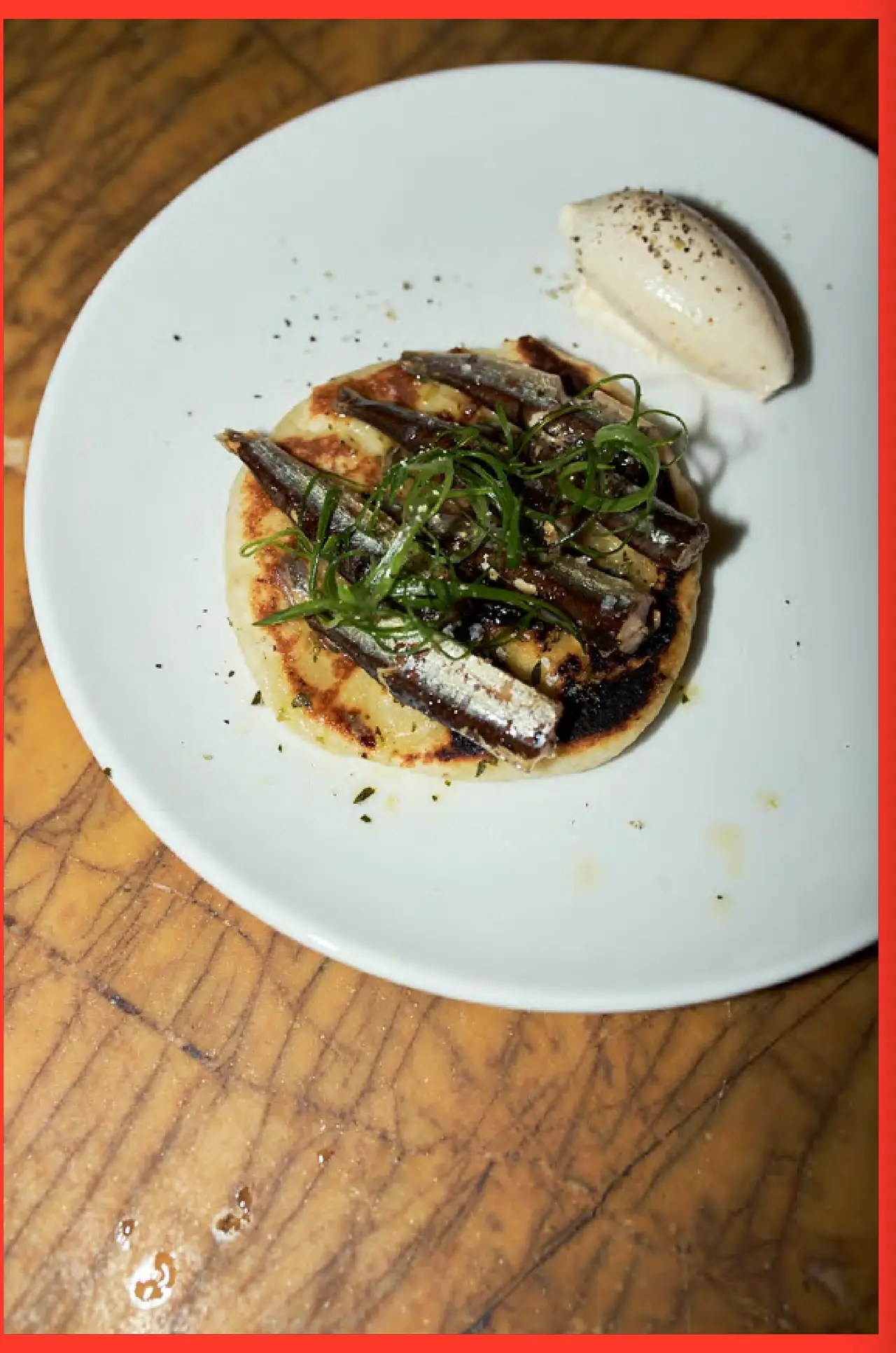
13. Bar Brutal — The natural-wine and small-plates pioneer of El Born
Bar Brutal helped set the template for the natural-wine wave that ran through El Born and beyond. The cellar holds roughly 2,000 references, heavily weighted toward organic, biodynamic and low-intervention producers, and the kitchen matches it with a short, frequently rewritten menu that brings a Veneto accent to Mediterranean cooking: well-chosen cheeses and cold cuts, fresh oysters, marinated sardines, and warm plates built to share. Dishes change with what's available, and there's always something for vegetarians, fish, seafood and meat eaters alike. The room, with its suspended marlin sculpture, has a loose, fun energy. Come for the wine, stay for the plates, let the staff steer you toward a bottle you've never heard of.
 El Quim de La Boqueria


14. El Quim de La Boqueria — The honest way to eat inside the Boqueria
El Quim de la Boqueria is how you actually eat inside Barcelona's most famous market without getting fleeced. Founded in 1987 and run by Quim Marquez with his son Yuri as second chef, it carries a Repsol Solete and sits at an interior counter, not on the tourist-facing edge. The identity is Quim's knack for turning market produce into proper cooking: the fried eggs with whitebait, capipota, market-fresh fish and seafood, and a breakfast programme that starts at 7am on market days. Average spend is around 35 euros. Pull up a stool at the bar, watch the kitchen pull from the stalls around it, and order whatever they're excited about that morning.
 Casa Maians


15. Casa Maians — Catalan market cooking and rice in Barceloneta
Casa Maians, with chef Roger Soteras, is the Barceloneta local's pick for cuina de mercat, Catalan market cooking with a Mediterranean and Balearic accent. Rice is the centrepiece in every form, dry paella-style and brothy arrossos caldosos, alongside seasonal seafood straight from the lonja and proper mar i muntanya combinations. The fish blackboard changes daily according to what's landed that morning, so expect things like black squid-ink rice with octopus, cuttlefish with artichokes, or arros amb gambes when the shellfish is running. It's a confident, unfussy kitchen that does the neighbourhood's traditions justice without leaning on its address. Go for the rice, check the board, and let the catch decide.
 4 Gats


16. 4 Gats — The modernista landmark from the Picasso era
4 Gats is a piece of Barcelona history as much as a restaurant. The modernista room dates to the city's turn-of-the-century artistic golden age and was a haunt of the young Picasso, and that's the main reason to come. The kitchen serves Catalan cuisine across dishes to share, rice, fish from the Catalan coast and slow-cooked meats, with signatures like the 4Gats canelons with slow-cooked meat au gratin, arros negre in the Palafrugell style, and cod 'a la llauna' Picasso-style with Ganxet beans. A weekday set lunch runs Tuesday to Friday alongside the a la carte. Be clear-eyed: you're booking the room and the history first. Order the canelons, take in the setting, and enjoy it for what it is.
 El Vaso de Oro


17. El Vaso de Oro — House-brewed beer and market tapas since 1962
El Vaso de Oro has been a Barceloneta fixture since 1962, a narrow, always-busy cerveceria where the draft beer is poured with real care and the tapas are de mercado: pristine seasonal ingredients sourced daily from the markets and local fishermen. It carries a Repsol Solete. The small plates put seafood front and centre, paired with a glass of the draft beer, and there's everything from simple, ingredient-led tapas to more refined creations. Space is tight, the bartenders are part of the show, and it runs on rhythm. Wedge in, order a beer and a few plates, and you're in one of the genuine old-town landmarks.
Also worth trying
Honourable Mentions

Bar del Pla
Sant Pere, Santa Caterina i la Ribera
Marble-bar market tapas in El Born from chef Jordi Peris, with a strong natural-wine list and a much-loved suckling pig sandwich. Carries a Repsol Solete.

Suculent
el Raval
Michelin-recognised creative Catalan from chef Toni Romero on the Rambla del Raval, with a Repsol Sol and a famous bone marrow with caviar that nods to elBulli.

Capet
el Barri Gòtic
Updated traditional Catalan from chef Armando Alvarez in the Gotic, a Michelin Guide pick built on proximity, seasonality and craft, with tasting menus of 5 and 8 courses.

La Mar Salada
la Barceloneta
The exception on Barceloneta's tourist-trap stretch: a family-run Mediterranean seafood and paella house with a market lunch menu around 28 euros.
The bigger picture
The Ciutat Vella Scene in Barcelona
Ciutat Vella packs centuries of Barcelona's eating culture into a small, walkable footprint. Barceloneta holds the historic rice-and-seafood houses, El Born mixes century-old institutions with the natural-wine and small-plates wave, the Gotic runs from the city's oldest restaurant to discreet Michelin-starred rooms, and El Raval has quietly become the district's most adventurous kitchen ground. It is also the most tourist-heavy district in the city, which makes the gap between the genuinely good and the merely central wider here than anywhere else. Prices span from a four-tapa bodega where you'll spend around 20 euros to fine-dining tasting menus well over 130 euros.
Practical tips
Know before you go
A short survival guide for eating ciutat vella in Barcelona— everything we wish we’d known on our first trip.
- 1
Walk one street back from the main drag
The worst value in Ciutat Vella sits directly on La Rambla, around Plaça Reial, and along the Barceloneta beachfront. The good stuff is almost always a block or two off the main artery. If a place has a picture menu outside or someone trying to wave you in, keep walking.
- 2
Several of these are cash-first and walk-in only
Old-town institutions like La Cova Fumada and Bar La Plata don't take reservations and lean on cash. La Cova Fumada is a daytime spot with a short window, so go early. Bar La Plata serves just four tapas off a fixed list. Treat them as quick, standing-room classics, not sit-down dinners.
- 3
Book the seafood houses ahead at weekends
The Barceloneta rice houses (Can Sole, Can Ros, La Mar Salada, Casa Maians) and the Born seafood counters (Cal Pep, Estimar) fill fast at weekend lunch. A day or two ahead is usually enough; the fine-dining rooms in the Gotic and El Raval need more notice.
- 4
Eat inside the Boqueria, not on its edge
The stalls facing La Rambla at the market entrance are mostly built for tourists. The real Boqueria experience is at an interior counter like El Quim, deeper in the market, where you sit at the bar and order whatever came off the morning's produce and catch.
- 5
Lunch menus are the best value
Many old-town kitchens run a weekday set lunch that's a fraction of the a la carte spend. Can Culleretes does a weekday menu around 21.50 euros, La Mar Salada runs a market lunch around 28 euros, and even the credentialled spots like Caelis offer a more accessible weekday lunch.
By neighbourhood
Ciutat Vella by neighbourhood
Already know where you’re eating? Here’s where to find the best ciutat vella in each of Barcelona’s key neighbourhoods.
Barri Gotic
The Gothic Quarter runs from Barcelona's oldest restaurant, Can Culleretes (1786), to the four-tapa bodega Bar La Plata (1945) and the modernista landmark 4 Gats (the Picasso-era room). It also hides serious credentialled kitchens: Caelis holds a Michelin star, Koy Shunka holds one for Japanese cooking, and Capet and Pla cover the updated-Catalan middle ground.
El Born
El Born (officially Sant Pere, Santa Caterina i la Ribera) is the old town's wine-and-small-plates heartland. El Xampanyet has poured cava and served anchovies on Carrer de Montcada since 1929, Cal Pep runs one of the city's great seafood counters, Estimar brings ex-elBulli seafood, and Bar Brutal helped define the natural-wine wave.
El Raval
El Raval, the old town's grittier, more mixed quarter, has become its most adventurous kitchen ground. Dos Palillos holds a Michelin star for Asian-Spanish tapas, Suculent does Michelin-recognised creative Catalan off the Rambla del Raval, and Cañete is the refined market-tapas pick a street back from La Rambla.
La Barceloneta
The old fishermen's quarter is all rice and seafood. Can Sole has run since 1903, Can Ros since 1908 with a Repsol Solete, El Vaso de Oro since 1962, and La Cova Fumada since 1944 (the reputed birthplace of the bomba). Casa Maians and La Mar Salada carry the tradition into the present.
Know the terms
Glossary
The vocabulary you need to order ciutat vella in Barcelona like a local.
- Ciutat Vella
- Catalan for 'old city', the central historic district of Barcelona, containing the Barri Gotic, El Born, El Raval and La Barceloneta, plus La Rambla and the Boqueria market.
- Bomba
- A breaded potato croquette, often served with a spicy sauce, widely credited as having been created at La Cova Fumada in Barceloneta. Now a standard Barcelona tapa.
- Cuina catalana
- Traditional Catalan cooking, the backbone of old-town menus. Think canelons, escudella, capipota, bacalla a la llauna and slow-cooked meats.
- Cuina de mercat
- Market cooking: a kitchen that builds its menu around what's fresh at the market or off the morning's catch, so dishes change daily.
- Arros negre
- Black rice coloured with squid ink, a Barceloneta and Catalan coast classic, usually served with a spoonful of allioli.
- Repsol Sol
- A distinction awarded by the Repsol Guide, Spain's leading domestic restaurant guide. A Repsol Solete is a separate, more casual recognition for everyday-excellent spots.
Questions
Frequently Asked Questions
All restaurants on this list were independently verified as open and serving the dishes described as of .
What is Ciutat Vella in Barcelona?
+
Ciutat Vella, meaning 'old city' in Catalan, is Barcelona's central historic district. It contains four quarters: the Barri Gotic (Gothic Quarter), El Born (within Sant Pere, Santa Caterina i la Ribera), El Raval, and La Barceloneta. La Rambla and the Boqueria market sit inside it.
What is the best restaurant in Ciutat Vella?
+
It depends what you want. Can Culleretes (1786) is the most historic and the oldest restaurant in Barcelona. For fine dining, Caelis holds one Michelin star and two Repsol Soles. For Barceloneta seafood, Can Sole has run since 1903. For a classic old-town tapas bar, El Xampanyet has poured cava since 1929.
What is the oldest restaurant in Ciutat Vella?
+
Can Culleretes, in the Barri Gotic, opened in 1786 and is the oldest restaurant in Barcelona. It still serves traditional cuina catalana like canelons, escudella and fricando, with a weekday set lunch around 21.50 euros and most a la carte mains between 12.50 and 26.50 euros.
Are there Michelin-starred restaurants in Barcelona's old town?
+
Yes. Inside Ciutat Vella, Caelis (Barri Gotic, chef Romain Fornell), Koy Shunka (Barri Gotic, Japanese, chef Hideki Matsuhisa) and Dos Palillos (El Raval, Asian-Spanish, chef Albert Raurich) each hold one Michelin star. All three also carry two Repsol Soles.
How do I avoid tourist traps in Ciutat Vella?
+
Walk one street back from La Rambla, Plaça Reial and the Barceloneta beachfront, where the worst value clusters. Skip any place with picture menus outside, staff waving you in, or spit-roast chickens in the window. Favour historic family houses and credentialled kitchens that still draw locals at lunch.
Where should I eat seafood and paella in Ciutat Vella?
+
Barceloneta is the seafood and rice quarter. Can Sole (since 1903) and Can Ros (since 1908) are the historic rice houses, La Mar Salada and Casa Maians carry the tradition forward, and El Born has Cal Pep's seafood counter and Rafa Zafra's two-Sol Estimar.
Where can I eat inside La Boqueria market?
+
El Quim de la Boqueria is the honest market-counter pick, sitting at an interior stall rather than the tourist-facing edge. Founded in 1987 and carrying a Repsol Solete, it serves market-driven Catalan cooking, including fried eggs with whitebait, with average spend around 35 euros.
What is a bomba and where did it come from?
+
A bomba is a breaded potato croquette, often with a spicy kick, that's now a Barcelona tapas staple. It's widely credited as having been created at La Cova Fumada in Barceloneta, an institution open since 1944. You can still order la bomba there and at Can Ros nearby.
Are any old-town restaurants cash-only or walk-in?
+
Yes. La Cova Fumada in Barceloneta is cash-first, daytime-only and doesn't take reservations, so go early. Bar La Plata in the Gotic is a walk-in four-tapa bodega. The Barceloneta rice houses and Born seafood counters take bookings and fill fast at weekend lunch.
Which Ciutat Vella restaurant is on La Rambla itself?
+
Louro is the rare genuinely good restaurant on La Rambla. It serves elevated Galician home cooking, including octopus a feira, clams a la marinera and steamed cockles, set up off the boulevard rather than chasing street-level footfall. Hours can be limited, so check before you go.
What food is each old-town quarter known for?
+
Barceloneta is rice and seafood. El Born mixes century-old tapas institutions with the natural-wine and small-plates scene. The Barri Gotic runs from classic cuina catalana to Michelin-starred rooms. El Raval has become the district's most adventurous kitchen ground, from Asian-Spanish tapas to creative Catalan.
Explore
Map

About the author
Justin Mota
Guidavera founder
Justin Mota is the founder of Guidavera. He has lived in Spain for over 10 years and runs a native AI agency alongside building this platform. Food has always been the way Justin connects with friends, and Guidavera started as the list he kept sending to everyone visiting Barcelona. He built it for himself and his friends first, and now hopes it can transform the way people discover great food experiences everywhere.
More about Justin→