 Photo: Seoul
12 Best Korean Restaurants in Barcelona
Introduction
The Barcelona Korean List We Send to Friends
This is the Korean list we send to friends who've worked their way through Barcelona's tapas and want something with more chilli, more fermentation, and a grill built into the table. Korea is a smaller scene here than Italian or Japanese, so the list is honest and short: a tight set of kitchens that actually cook Korean food properly, not pan-Asian menus with one bibimbap hiding in the corner. You'll find home-style places that have been feeding the city for years, tabletop KBBQ houses where you do the cooking, and a newer wave of Korean fried chicken and drink-led spots. Most of these sit in Eixample and Gràcia, and you can eat very well for around 20 to 30 euros a head, more if you go deep on the grilled wagyu.
Before you order
A Guide to Korean in Barcelona
What counts as a Korean restaurant in Barcelona?
For this list, a Korean restaurant means the menu reads Korean first. That covers a few distinct styles. Home-style Korean leans on rice, fermented sides (the small dishes called banchan), and stews like kimchi jjigae and doenjang jjigae, plus dishes like bibimbap and bulgogi. Korean barbecue, or KBBQ, is built around grilling marinated meat yourself on a grill set into the table, then wrapping it in lettuce with rice and sides. There's also a newer wave of Korean fried chicken and drink-led spots. What doesn't count is a generic pan-Asian or Asian-fusion menu where Korea is just one section among Chinese, Thai and Japanese dishes. Those are a different thing.
What should you order at a Korean restaurant?
If it's your first time, start with the classics. Bibimbap is rice topped with seasoned vegetables, often an egg and meat, mixed at the table with gochujang chilli paste; the dolsot version arrives in a hot stone pot so the rice crisps at the edges. Bulgogi is thin marinated beef, usually grilled and eaten in lettuce wraps. Japchae is sweet-potato glass noodles stir-fried with vegetables. Mandu are dumplings, steamed or pan-fried. Kimchi jjigae and sundubu jjigae are warming stews. For the fried-chicken crowd, yangnyeom chicken comes in a sweet-spicy glaze. Korean meals are built to share, so order a spread and let the banchan fill the gaps.
How does Korean barbecue work?
Korean barbecue is the most communal way to eat Korean food, and several of the spots on this list specialise in it. A grill is built into your table, and you cook the meat yourself as you go, usually beef cuts like galbi (short rib) and brisket, or pork belly and secreto. The meat comes either plain or marinated, and you eat it in small bites: a piece of grilled meat wrapped in lettuce with rice, a smear of sauce, and a bit of kimchi or another banchan side. It's hands-on, it's slow, and it's meant to be social, so it works best with a group and a few rounds of soju or beer.
How We Built This List
Years of Eating, Asking, and Going Back
We built this list the way we build all of them: by eating, asking, and cross-checking. Korean is a thin-coverage category in Barcelona, with far fewer serious lists than tapas or paella, so we leaned hard on the kitchens that the city's Korean community names again and again, then ate to confirm. Every place here reads Korean first, not pan-Asian. We ordered the list by which spots carry the most weight in the scene: the long-running home-style anchors first, then the specialist KBBQ and newer-wave kitchens. No restaurant pays for placement, and Guidavera has no affiliate or sponsorship relationships with any venue featured here.
More on how we rank: our methodology and quality standards.
At a glance
The 12 Best Korean Restaurants, Compared
Quick reference table. Click any name to jump to the full review.
| # | Restaurant | Neighbourhood | Price | Distinction | Signature dish |
|---|---|---|---|---|---|
| 1 | Seoul | la Sagrada Família | €€ | — | Hot-stone bibim bap |
| 2 | Kamasot | El Fort Pienc | €€ | — | Mandu, meat and vegetable Korean dumplings |
| 3 | San Kil | Gràcia | €€ | — | — |
| 4 | Kimchi Mama | Hostafrancs | €€ | — | Dolsot Bibimbap, hot stone pot with vegetables, egg and seaweed |
| 5 | Koryo | Sant Gervasi - la Bonanova | € | — | Set Lunch Menu, starter, main, dessert and drink |
| 6 | Shingané | La Nova Esquerra de l'Eixample | €€ | — | Barbacoa entrecote |
| 7 | Seoul Nadri | Dreta de l'Eixample | €€ | — | — |
| 8 | OBBA Korea BBQ | Les Corts | €€€ | — | — |
| 9 | Podonamu | L'Antiga Esquerra de l'Eixample | €€ | — | Jjamppong, spicy seafood and pork noodle soup |
| 10 | GYOJASANG Korean BBQ & Bar | Eixample (L'Eixample Esquerra) | €€ | — | Churrasco Galbi, short-rib galbi (normal / marinated) |
| 11 | Cobab | La Nova Esquerra de l'Eixample | € | — | Cazuela de Tokbokki, rice cakes and fish cake in gochujang for two |
| 12 | Hana Grill & Bowl | La Dreta de l'Eixample | €€ | — | Menú Hana Grill for two, pork belly, pancake, stew and rice |
The ranking
12 Best Korean Restaurants in Barcelona
Seoul


1. Seoul — The home-style anchor of the Barcelona Korean scene
Seoul is the place we'd send a first-timer, and the one Barcelona's Korean community keeps coming back to. It sits on Avinguda de Gaudí near the Sagrada Família, and the kitchen covers the full breadth of Korean home cooking: house-made kimchi and banchan, steamed or pan-fried mandu, hot-stone bibimbap, sweet-potato chapche noodles, spicy stews, and tabletop barbecue cuts wrapped in lettuce. There are three tasting menus for two or more (Gaudí, Seoul and Corea) if you want someone else to do the ordering, plus a weekday lunch menu. It's not flashy and it doesn't need to be. The cooking is confident, the spread is generous, and it's the clearest single introduction to what Korean food in this city is about.
 Kamasot


2. Kamasot — Traditional Korean plus tabletop barbecue in Eixample
Kamasot is one of the most-cited Korean spots in the city, and it's an easy one to love. It sits on Consell de Cent in Eixample, and the format runs both ways: a deep menu of traditional Korean dishes alongside proper tabletop barbecue, with grills set into the table so you're part of the cooking. Beyond the grill there are meaty stews and tofu dishes, which means vegetarians have something to reach for too. Start with the kimchi pancake or the mandu, work through a stew or two, and let the grill carry the back half of the meal. It's the kind of place that does both the comfort-food side and the social-grill side of Korean dining without dropping either.
 San Kil
3. San Kil — Traditional Korean in Gràcia
San Kil is the Gràcia entry on this list, a traditional Korean kitchen on Carrer de la Legalitat that the city's Korean diners hold in real esteem. The cooking is the classic home-style repertoire: bibimbap, rice topped with vegetables and usually a fried egg, mixed at the table with chilli paste, and bulgogi, thin marinated beef cooked over heat. You get the savoury-sweet-spicy balance that Korean food is built on, with vegetarian options on the menu too. It's a neighbourhood spot rather than a scene spot, which is exactly why it's worth the trip up to Gràcia. Come hungry, order a spread, and lean into the banchan.
 Kimchi Mama


4. Kimchi Mama — Highest-rated of the home-style set, with kimchi workshops
Kimchi Mama in Hostafrancs is the highest-rated of Barcelona's established Korean kitchens, and it earns it. The team cooks authentic Korean home-style food: dolsot bibimbap in a hot stone pot, dakgalbi (spicy stir-fried chicken), bulgogi, kimchi jeon, mandu, japchae and kimchi jjigae stew. There's a 36-euro-per-person set menu for two or more, with a vegan option on request, and most mains sit comfortably in the 13 to 16 euro range. The kitchen runs kimchi workshops too, which tells you how seriously they take the fermentation side of things. Service is warm and personal, and the cooking has the kind of consistency that turns first-timers into regulars.
 Koryo
Koryo


5. Koryo — Korean home cooking meets Japanese technique
Koryo is the crossover on this list, and it's a good one. Up in Sant Gervasi, two female chefs run the kitchen: Kyunghee, who brings traditional Korean home cooking, and Yasuko, who contributes Japanese technique. So the menu reads Korean-first but with a Japanese seam running through it: bulgogi with lettuce wraps, bibimbap in hot stone pots, japchae, homemade kimchi and Korean dumplings sit next to fried eggplant with sweet miso and a proper tonkatsu. The weekday lunch set is around 15.50 euros and includes a starter, main, dessert and a drink, which is one of the better-value Korean lunches in the city. Expect around 25 euros a head without drinks. Flag the crossover going in, then order across both sides.
 Shingané


6. Shingané — KBBQ specialist with built-in tabletop grills
Shingané is the dedicated KBBQ pick, on Carrer de Calàbria in Eixample. The whole thing is built around grilling meat yourself at the table over a built-in grill and eating it with side dishes and rice. But it's not grill-only: alongside the barbecue, Shingané runs a full menu of typical Korean mains, so there's plenty to order even if you're not cooking, and there are vegetarian options too. Open with a kimchi pancake or chapche, then move to the grill for the entrecote or duck. It's a solid, no-nonsense KBBQ house that does the format properly, which is exactly what you want when you've come for the smoke and the sizzle.
 Seoul Nadri

7. Seoul Nadri — Tabletop KBBQ in Dreta de l'Eixample
Seoul Nadri is the KBBQ spot for when you want to take the grilling seriously. It sits on Roger de Llúria in the Dreta de l'Eixample, and the format is pure Korean barbecue: cuts of meat you cook yourself over a grill set into the table, then wrap or pile with the small banchan side dishes that come alongside. It's communal and hands-on by design, you assemble each bite the way you want it. It's one of the better-executed grill experiences in the city's small KBBQ field, so come with a group, go slow, and work through a few cuts. Bring an appetite and let the table do the cooking.
 OBBA Korea BBQ


8. OBBA Korea BBQ — Cook-your-own tabletop barbecue in Les Corts
OBBA Korea BBQ is the Les Corts entry, on Carrer de Nicaragua, and it's a venue the city's Korean community points to for the real cook-your-own format. Korean barbecue here is built around grilling meat at the table, usually paired with rice, lettuce wraps and an array of banchan side dishes. At OBBA you cook as you eat, which is the whole point of the format, and the kitchen also serves dessert if you want to round things off. It's slightly off the central Eixample drag, which keeps it feeling more neighbourhood than scene. Go with a group, take your time, and let the grill set the pace.
 Podonamu


9. Podonamu — Traditional Korean stews and noodle soups
Podonamu is the spot for the stew-and-soup side of Korean cooking. It sits on Carrer de València in the Antiga Esquerra de l'Eixample, and the menu is grounded in the fundamentals: rice, fermentation, and a spread of side dishes, with grilling and stews showing up across the board. Every main comes with four banchan and rice, which is the kind of detail that signals a kitchen taking the home-style format seriously. The jjamppong, a hot spicy seafood noodle soup, and the various jjigae stews are the dishes to chase here, with wine, beer and coffee alongside and dessert to finish. It's a comforting, no-fuss kitchen that rewards ordering a soup or stew over the obvious grill.
 GYOJASANG Korean BBQ & Bar
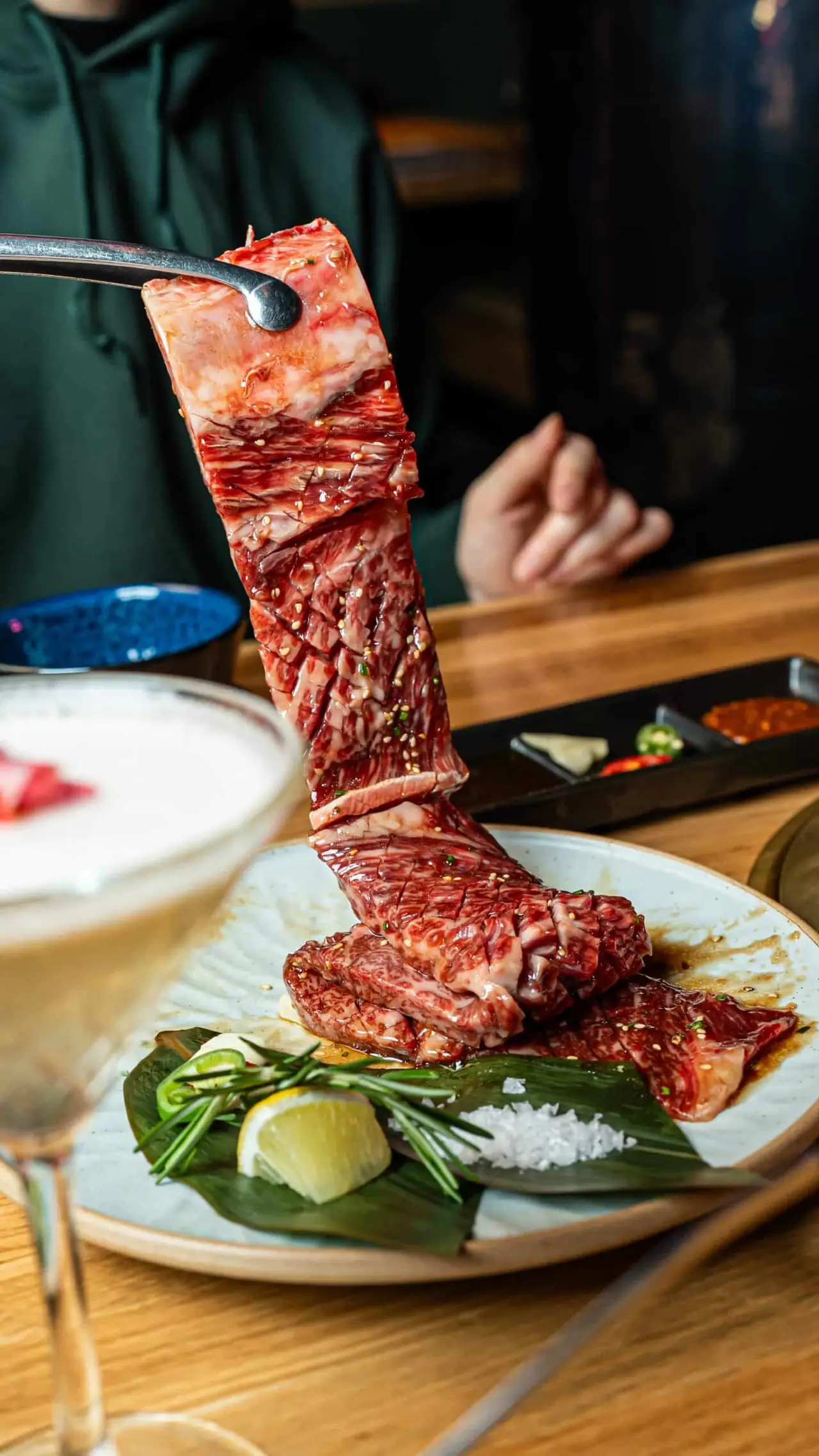
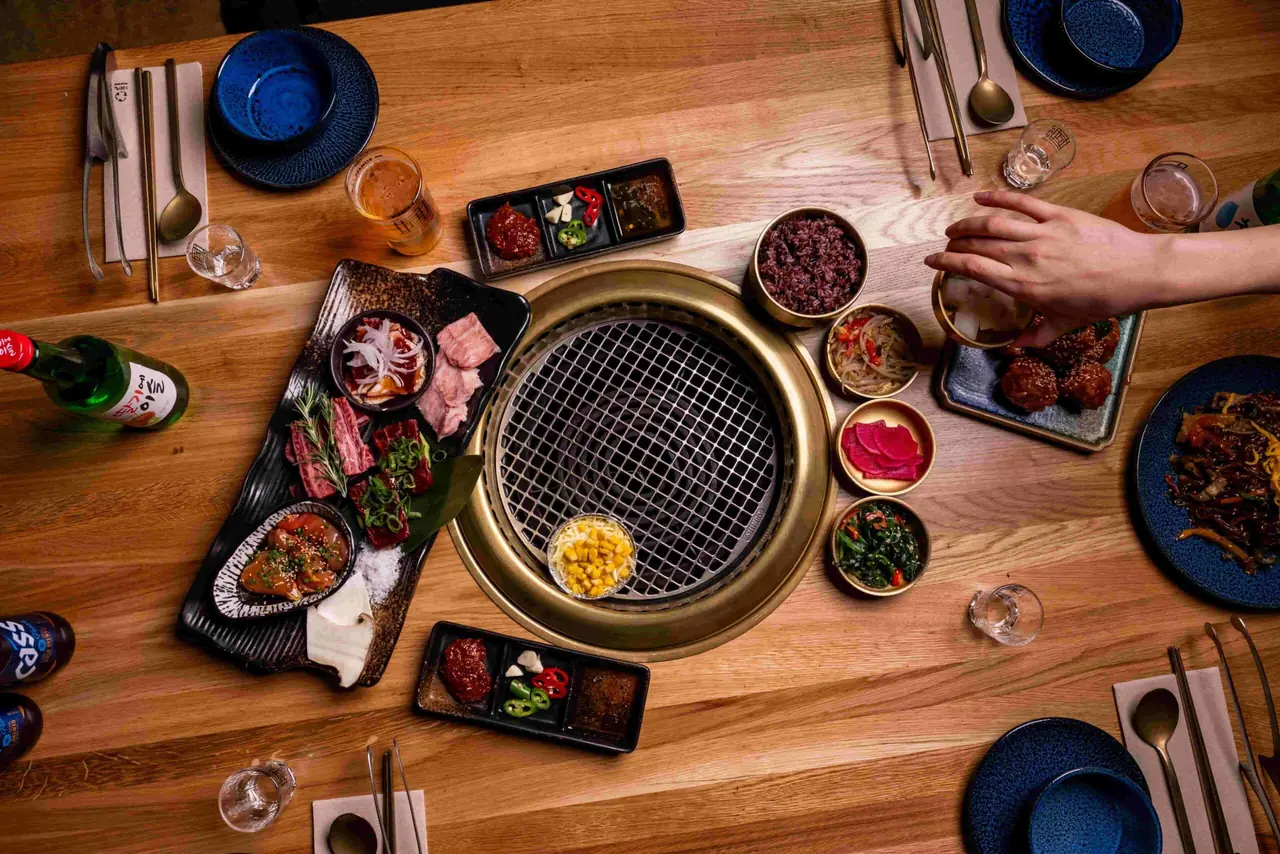
10. GYOJASANG Korean BBQ & Bar — KBBQ and Korean fried chicken with serious beef cuts
Gyojasang is the newer-wave grill on this list, a Korean BBQ and bar on Carrer de Mallorca in the Eixample Esquerra. The barbecue is the draw: tabletop grilling with banchan and rice, but the beef section is where it gets interesting, running from Angus chuck roll up to A5 wagyu rib-eye from Miyazaki. You cook, you share, you go at your own pace. Average spend is around 30 euros a head, though the premium cuts push that higher fast. It leans more bar-and-grill than home-style, which makes it a good shout for a group night out built around meat, soju and a slow burn through the menu.
 Cobab
Cobab11. Cobab — Cook-at-the-table Korean with a younger streak
Cobab is the casual, younger-feeling spot on Carrer d'Entença in Eixample, and it's a fun one. The food leans on the bold, layered flavours Korean cooking is built on, chilli, garlic, ginger, fermented elements and plenty of rice, served family-style with banchan. The signature move here is the cook-at-the-table cazuelas for two: a tteokbokki pot of rice cakes and fish cakes in gochujang you can dial up to level five, or a suk bul of bean sprouts and pork belly in spicy sauce. There are vegetarian options if you're not eating meat, and prices land in the friendly 10 to 20 euro range. Bring a friend, pick a cazuela, and decide together how much heat you can handle.
 Hana Grill & Bowl


12. Hana Grill & Bowl — Eixample KBBQ with a value lunch set
Hana rounds out the list, a Korean grill on Carrer de la Diputació in the Dreta de l'Eixample. The food is built around small plates, kimchi and tabletop grilling where you cook your own meat at the table, alongside the fermented and pickled sides that come with it. The Menú Hana Grill for two bundles pork belly, a pancake, a stew and rice into one order, which is a tidy way to do KBBQ without overthinking it. There's a lunch set around 14.50 euros if you want the format at a lower stakes, and à la carte mains like dolsot bibimbap and kimchi fried rice for the non-grillers. It's an easy, well-priced central option for a Korean barbecue night.
Also worth trying
Honourable Mentions

The bigger picture
The Korean Scene in Barcelona
Barcelona's Korean scene is small but real, and it has grown noticeably in the last few years. The bulk of the action sits in Eixample, with a few anchors in Gràcia and Sants. You'll find three rough camps: long-running home-style kitchens serving bibimbap, stews and banchan; tabletop KBBQ houses built around grilling your own meat; and a newer wave of drink-led and fried-chicken spots aimed at a younger crowd. None of these carry a Michelin or Repsol credential, which is typical for the category here, so the scene runs on reputation, word of mouth, and consistency on the plate. Expect to pay around 20 to 30 euros per person, more if you go heavy on premium grilled cuts.
Know the terms
Glossary
The vocabulary you need to order korean in Barcelona like a local.
- Bibimbap
- A Korean rice bowl topped with seasoned vegetables, often a fried egg and meat, mixed at the table with gochujang chilli paste. The dolsot version is served in a sizzling hot stone pot.
- Bulgogi
- Thin slices of beef marinated in a sweet-savoury soy-based sauce, then grilled. Often eaten wrapped in lettuce with rice and side dishes.
- Banchan
- The small shared side dishes served alongside a Korean meal, almost always including kimchi. They are meant to be eaten throughout the meal rather than as starters.
- KBBQ
- Korean barbecue, where diners grill marinated or plain meat themselves on a grill set into the table, then eat it in small bites with rice, lettuce wraps and banchan.
- Galbi
- Korean beef short rib, often marinated, and a centrepiece cut at Korean barbecue restaurants.
- Japchae
- Sweet-potato glass noodles stir-fried with vegetables and a soy-based seasoning. A common Korean side or main, often available in a vegetarian version.
- Jjigae
- A category of Korean stews served bubbling hot, such as kimchi jjigae (with kimchi and pork), doenjang jjigae (fermented soybean paste) and sundubu jjigae (soft tofu).
- Mandu
- Korean dumplings filled with meat and vegetables, served steamed, pan-fried or in soup.
- Tteokbokki
- Cylindrical rice cakes simmered in a spicy gochujang-based sauce, often with fish cakes. A staple of Korean street food.
- Yangnyeom chicken
- Korean fried chicken coated in a sweet and spicy glaze, one of the best-known styles of Korean fried chicken.
Questions
Frequently Asked Questions
All restaurants on this list were independently verified as open and serving the dishes described as of .
What is the best Korean restaurant in Barcelona?
+
Seoul, on Avinguda de Gaudí near the Sagrada Família, is the home-style anchor of Barcelona's Korean scene and the one the city's Korean community returns to. It covers the full breadth of Korean cooking, from kimchi and banchan to bibimbap, stews and tabletop barbecue.
Where can I find Korean barbecue (KBBQ) in Barcelona?
+
For tabletop Korean barbecue in Barcelona, try Shingané on Calàbria, Seoul Nadri on Roger de Llúria, OBBA Korea BBQ in Les Corts, Kamasot on Consell de Cent, or Gyojasang on Mallorca. Each has grills set into the tables so you cook the meat yourself with rice and banchan.
How much does a Korean meal cost in Barcelona?
+
Most Korean restaurants in Barcelona run around 20 to 30 euros per person. Home-style mains often sit in the 13 to 16 euro range, weekday lunch sets start near 14 to 16 euros, and Korean barbecue costs more once you add premium beef cuts, which can reach 48 euros for A5 wagyu.
What should I order at a Korean restaurant in Barcelona?
+
Start with bibimbap (rice with vegetables, egg and chilli paste, mixed at the table), bulgogi (marinated grilled beef), japchae (sweet-potato glass noodles), and mandu (dumplings). Add a stew like kimchi jjigae, and order banchan side dishes to share across the table.
What is bibimbap?
+
Bibimbap is a Korean rice dish topped with seasoned vegetables, often a fried egg and meat, mixed together at the table with gochujang chilli paste. The dolsot version is served in a hot stone pot so the rice crisps at the edges. It is on most Korean menus in Barcelona.
Where can I find Korean fried chicken in Barcelona?
+
Several Korean kitchens in Barcelona serve Korean fried chicken. Kimchi Mama in Hostafrancs does yangnyeom chicken in a sweet-spicy glaze, and Little Corea on Villarroel and Gyojasang on Mallorca both offer fried chicken alongside their main menus.
Are there vegetarian options at Korean restaurants in Barcelona?
+
Yes. Many Korean restaurants in Barcelona offer vegetarian dishes, including vegetable bibimbap, japchae, tofu dishes and kimchi pancakes. Kimchi Mama offers a vegan set menu on request, and Koryo, San Kil, Shingané and Cobab all list vegetarian options.
What is the difference between Korean barbecue and home-style Korean food?
+
Korean barbecue (KBBQ) is built around grilling marinated meat yourself on a grill set into the table, eaten in lettuce wraps with rice and banchan. Home-style Korean food centres on stews, bibimbap, fermented sides and dishes cooked in the kitchen and brought to the table.
Which neighbourhood has the most Korean restaurants in Barcelona?
+
Eixample has the highest concentration of Korean restaurants in Barcelona, including Kamasot, Shingané, Seoul Nadri, Podonamu, Gyojasang, Cobab and Hana. Gràcia has San Kil, Sants-Montjuïc has Kimchi Mama, and Sant Gervasi has Koryo.
Do Korean restaurants in Barcelona have Michelin stars?
+
No Korean restaurant in Barcelona currently holds a Michelin star or a Repsol Sol. The scene runs on reputation, the local Korean community's word of mouth, and consistency on the plate rather than guide credentials.
Explore
Map

About the author
Justin Mota
Guidavera founder
Justin Mota is the founder of Guidavera. He has lived in Spain for over 10 years and runs a native AI agency alongside building this platform. Food has always been the way Justin connects with friends, and Guidavera started as the list he kept sending to everyone visiting Barcelona. He built it for himself and his friends first, and now hopes it can transform the way people discover great food experiences everywhere.
More about Justin→