 Photo: Chen Ji
13 Best Chinese Restaurants in Barcelona
Introduction
The Barcelona Chinese List We Send to Friends
This is the list I send when a friend asks where to eat actual Chinese food in Barcelona, not the sweet-and-sour-everything version. The city's scene is deeper than it looks: there's a little Chinatown around Fort Pienc where the home cooking is Wenzhou and Qingtian, there's serious Sichuan heat if you know where to go, there are Shanghai dumpling specialists, a Kao family dynasty doing Cantonese dim sum up in Sarrià, and one full-on imperial dining room near Passeig de Gràcia. A lot of these places keep a separate menu for their Chinese regulars, and that's almost always where the good stuff is. Prices swing hard, from under €15 a head at the canteens to around €50 and up at the fancy end. Here's where I'd actually take you.
Before you order
A Guide to Chinese in Barcelona
What kinds of Chinese food will you find in Barcelona?
Barcelona's Chinese restaurants are far more regional than most people expect. The biggest community influence is from Zhejiang province, specifically Wenzhou and Qingtian home cooking, which is what you'll eat at the Fort Pienc canteens: hand-pulled noodles, guotie, potato-starch raviolis, slow-marinated pork. Sichuan shows up as the spicy, peppercorn-numbing kitchens. Shanghainese cooking leans slightly sweet and soy-forward, with soup dumplings (xiaolongbao) as the headline act. Cantonese is the dim sum tradition, small steamed and fried parcels meant for sharing. And at the top end there's imperial or banquet-style Chinese, with whole Peking duck carved at the table. One city, many very different kitchens.
What is the difference between dim sum, xiaolongbao and guotie?
These get muddled on a lot of menus, so here's the quick version. Dim sum is the umbrella term for the Cantonese tradition of small sharing plates, mostly steamed or fried dumplings and buns, eaten in a spread. Xiaolongbao are Shanghai soup dumplings: thin-skinned parcels with hot broth sealed inside, so you bite carefully. Guotie are pan-fried dumplings, crisp on the bottom and steamed on top, closer to what a lot of people call potstickers. Shaomai (or siu mai) are the open-topped steamed dumplings. If a place makes its dumplings by hand on site, it'll usually say so, and it's worth seeking out.
How do you find the authentic stuff?
A few tells. Many of the best Chinese restaurants in Barcelona run two menus, a Spanish-language one and a longer Chinese-language one with the regional dishes; ask for it, or point at what the neighbouring table is eating. A dining room full of Chinese diners is the strongest signal there is. Look for hand-made noodles and dumplings, regional labels like Sichuan, Wenzhou, Qingtian or Shanghai on the menu, and dishes that don't show up at the generic wok places: jellyfish salad, mapo tofu, twice-cooked pork, hotpot. Cash-friendly canteens with bright lighting and packed tables tend to over-deliver relative to price.
How We Built This List
Years of Eating, Asking, and Going Back
I built this the same way I build all our guides. I started from the dishes themselves, then weighed each place on how seriously it takes its region: is the cooking specific to Wenzhou or Sichuan or Shanghai, or is it the same generic menu you see everywhere? I leaned on the restaurants that the city's Chinese community actually eats at, gave weight to hand-made noodles and dumplings and to kitchens that keep a real Chinese-language menu, and tried to cover the full spread of regional styles rather than stacking the list with one. Order is about reputation within Chinese cooking specifically, not a general popularity score. No restaurant pays to be here, and Guidavera takes no commission or sponsorship from any venue on this list.
More on how we rank: our methodology and quality standards.
At a glance
The 13 Best Chinese Restaurants, Compared
Quick reference table. Click any name to jump to the full review.
| # | Restaurant | Neighbourhood | Price | Distinction | Signature dish |
|---|---|---|---|---|---|
| 1 | Chen Ji | el Fort Pienc | € | — | Guotie pan-fried dumplings (10 pcs) |
| 2 | Shanghai | Sant Gervasi - la Bonanova | €€€ | Repsol Recommended | Pato Pekín (Peking duck) |
| 3 | China Crown Barcelona | la Dreta de l'Eixample | €€ | Repsol Recommended | Imperial Peking Duck (whole / half) |
| 4 | Out of China | l'Antiga Esquerra de l'Eixample | € | — | Hand-made dumplings |
| 5 | Melo-Jia | L'Antiga Esquerra de l'Eixample | €€ | — | Xiao Longbao (4u) |
| 6 | Río Dragón | El Guinardó | €€ | — | Noodles |
| 7 | He Cheng | el Camp de l'Arpa del Clot | € | — | Pata de cerdo al estilo Qingtian |
| 8 | Yue Lai | La Dreta de l'Eixample | € | — | Raviolis de gambas (6u / 10u) |
| 9 | DaZhong Restaurante Xine | El Fort Pienc | € | — | Whole roast duck |
| 10 | Kao Dim Sum | Sant Gervasi - la Bonanova | €€ | — | Hand-made Cantonese dim sum (xiao long bao, siu mai) |
| 11 | Chi Nanit | la Vila de Gràcia | €€ | — | Shrimp Shaomai (Shaomai de Gambas) |
| 12 | Uniko | l'Antiga Esquerra de l'Eixample | € | — | Xiaolongbao (soup dumplings) |
| 13 | Casa de Waipo | La Dreta de l'Eixample | € | — | Twice-cooked pork with spicy vegetables |
The ranking
13 Best Chinese Restaurants in Barcelona
 Chen Ji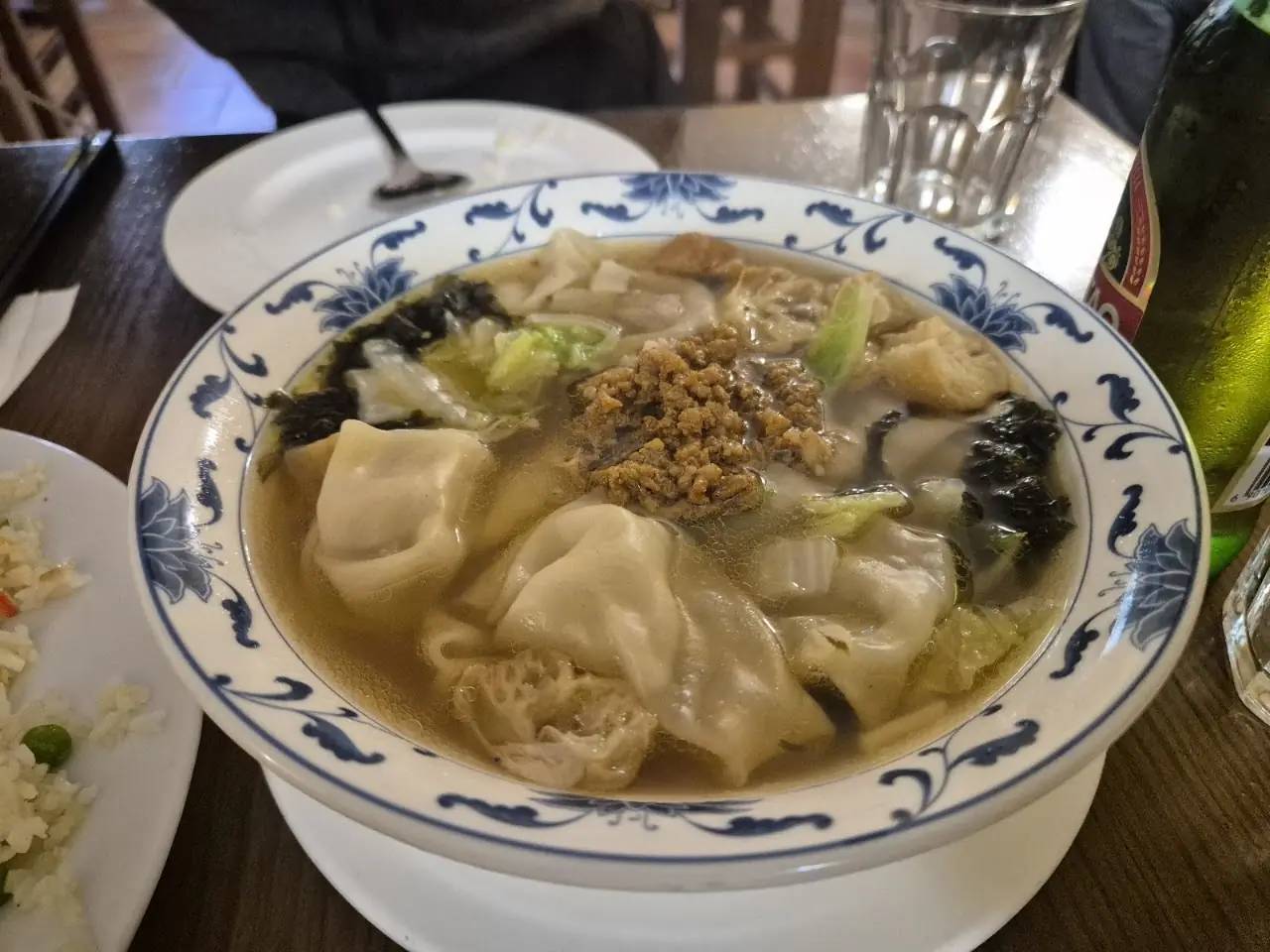
1. Chen Ji — The Fort Pienc canteen locals treat as the benchmark
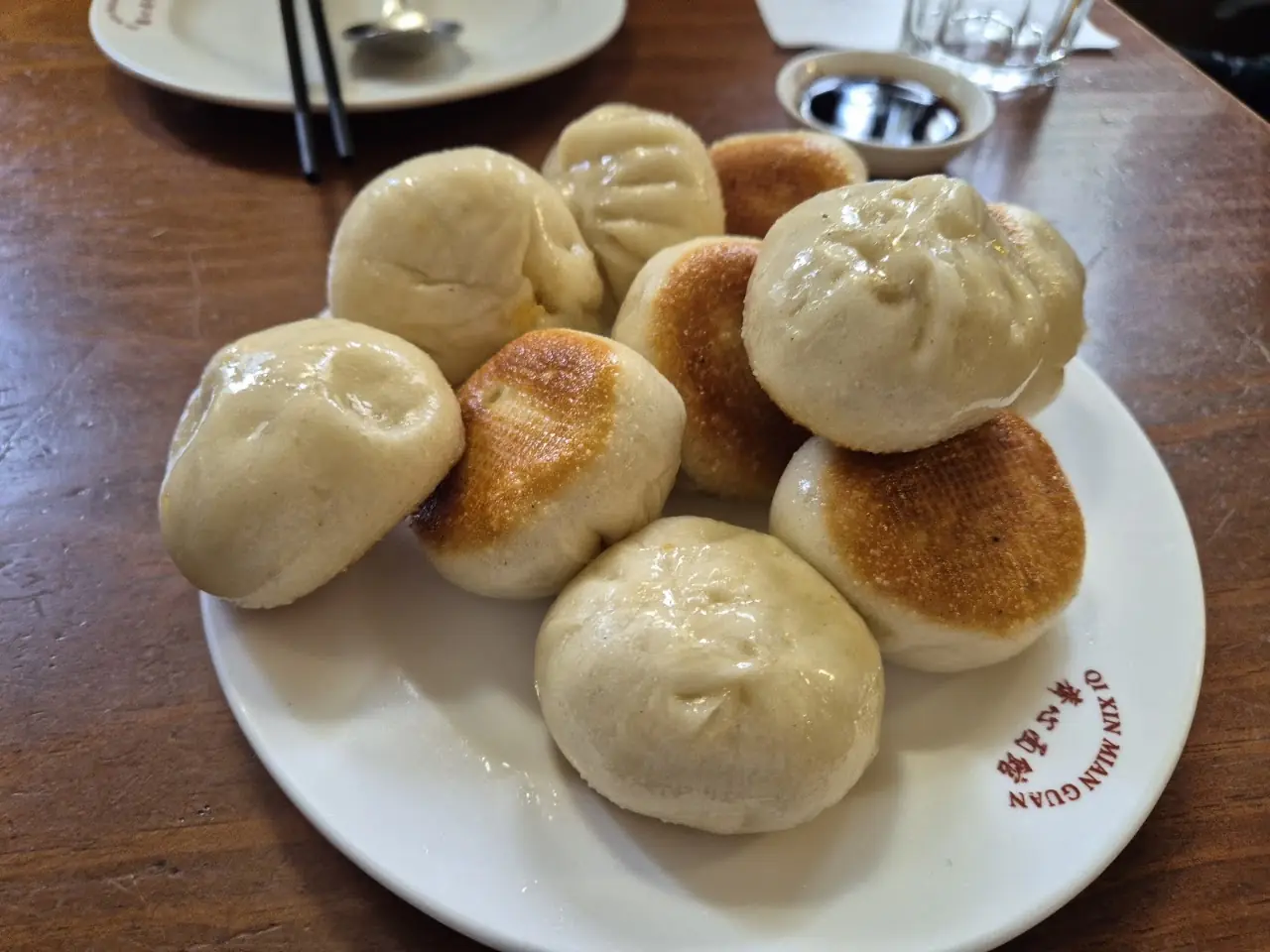
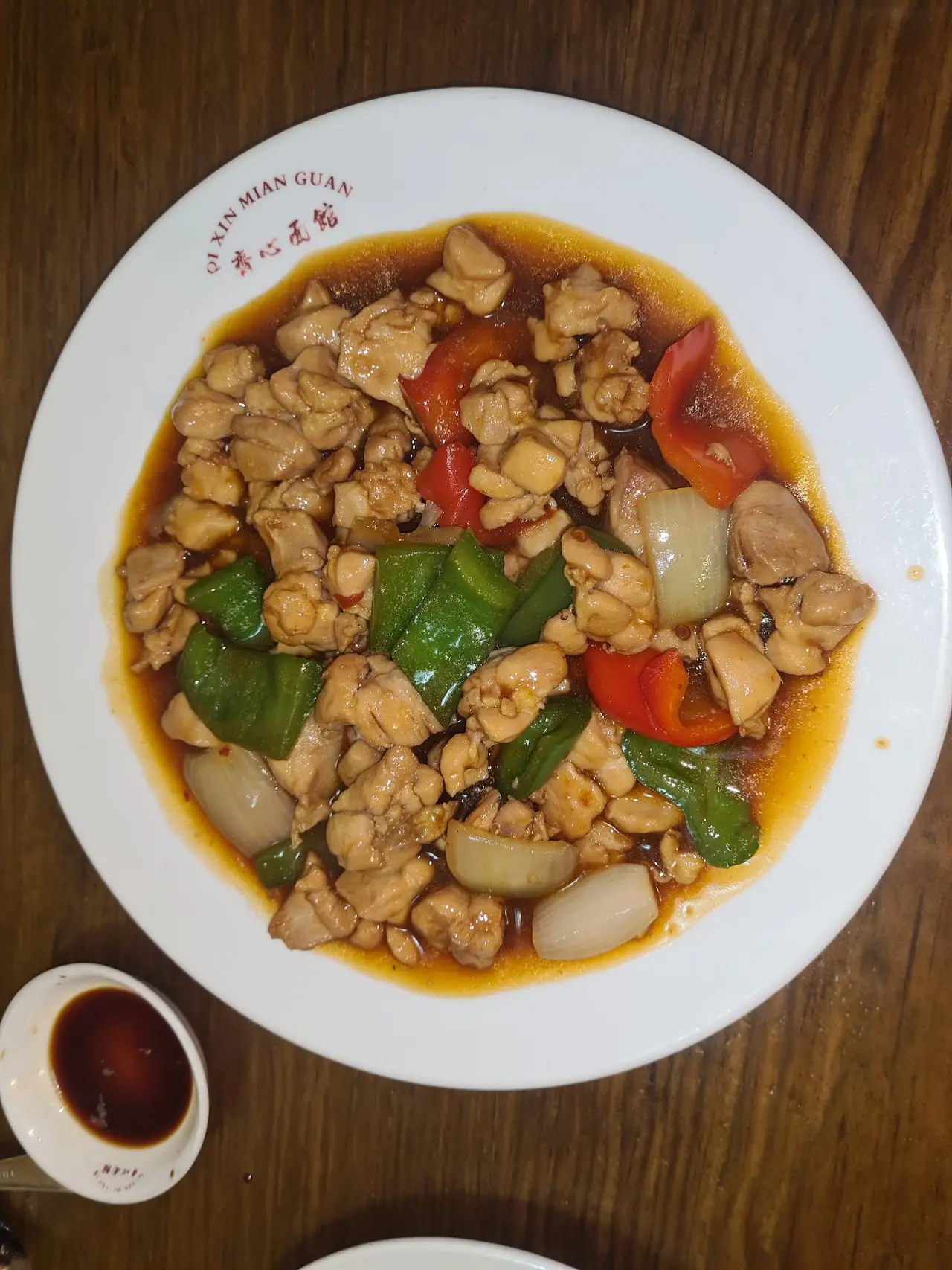
If you only eat at one Chinese place in Barcelona, make it this one. Chen Ji is a bright, no-frills canteen on Carrer d'Ali Bei in Fort Pienc, packed tables, open kitchen, queues on the pavement at weekend lunch, and it's where a lot of the city's Chinese community actually eats. The cooking leans Qingtian home style with Northern, Shanghainese and Cantonese touches: hand-pulled noodles, guotie, xiaolongbao, fried rice cakes. It's cheap in the best way, with most plates under €8 and a whole meal rarely topping €25. There's a Chinese-language menu with jellyfish salad and duck tongue if you ask. Come hungry, come early, bring cash, and order more than you think you need.
 Shanghai


2. Shanghai — The Kao family institution, Repsol Recommended and open since 1976
Shanghai is the grand old name of Chinese cooking in Barcelona. The Kao family opened it in 1976 in Sant Gervasi - la Bonanova, and it's still theirs: José María Kao runs the kitchen, his brother Luis built the 800-label wine cellar, and the cooking is rooted in the family's Shandong heritage. José María shops the Boqueria daily, which tells you how seriously they take sourcing. The Peking duck is the must-order, and the dim sum is genuinely refined, siu mai with trout roe, grilled prawn dumplings. It's a proper sit-down occasion rather than a canteen, around €60 a head, and it's listed in the Repsol guide. The walls are lined with photos of the family alongside half of famous Barcelona. A classic for good reason.
 China Crown Barcelona


3. China Crown Barcelona — Imperial Chinese and table-side Peking duck near Passeig de Gràcia
China Crown is the top end of Chinese dining in Barcelona, the place to go when you want the full banquet treatment. Executive chef Felipe Bao runs an imperial-style kitchen in la Dreta de l'Eixample, building dishes around centuries of Chinese gastronomic tradition, and it's Repsol Recommended. The signature is the Imperial Peking Duck, carved and served with ceremony, €90 whole or €55 half. Around it sits a serious xiaolongbao programme, including versions with Iberico pork and foie or with squid ink and truffle, plus dishes like lobster in Nanyang red curry and steamed sea bass with garlic and Sichuan chilli. It's the priciest spot on this list and the most theatrical. Save it for the meal that needs to feel like an event.
 Out of China


4. Out of China — Southern Chinese home cooking from the Wong sisters
Out of China has been a reliable Eixample all-rounder since 2002, run by the Wong sisters as a family operation in l'Antiga Esquerra de l'Eixample. The kitchen does southern Chinese home cooking built around rice rather than wheat: hand-made dumplings, Peking duck with pancakes, steamed and pan-fried dim sum, sweet-and-sour stewed pork ribs, curry prawns with courgette. They make a point of cooking without MSG and sourcing locally where they can, and there are gluten-free options, which is rarer than it should be in this category. It's friendly, affordable, around €25 a head, and it's the kind of neighbourhood place you end up going back to. A safe, genuinely good first stop in the Eixample.
 Melo-Jia


5. Melo-Jia — Wenzhou cooking and a deep dim sum list in the Eixample
Melo-Jia cooks Wenzhou-style food from coastal Zhejiang, where seafood and fish do a lot of the work, and it's one of the better dim sum lists in the Eixample. The menu is long and rewarding: jellyfish salad, a beef salad dressed Sichuan style, a big spread of dumplings (xiaolongbao, shaomai de marisco, truffle xiaolongbao), and bigger plates like Dongpo-style braised pork belly and the golden lion's-head meatball. There's a dim-sum-and-duck set menu at €36 per person if you want someone else to do the ordering. Prices land around €20 to €30 a head. It's a good middle ground, more ambitious than the canteens, more relaxed than the banquet rooms.
 Río Dragón


6. Río Dragón — Northeastern and Sichuan home cooking in Guinardó
Río Dragón is the one worth the trip uphill to El Guinardó, and the only northeastern-leaning kitchen on this list. The cooking works in the Sichuan and Manchurian traditions, unpretentious classics done well: noodles, dumplings, the kind of staples that anchor this style of menu, with vegetarian options too. It's a neighbourhood spot rather than a destination room, prices in the €25 to €35 range, and it earns its place here on the strength of the food and the regional angle, given how few Dongbei-leaning kitchens the city has. The owner reputedly does a magic trick, which is a fun bonus but not the reason to come. Come for the noodles and the dumplings.
 He Cheng


7. He Cheng — Qingtian hand-made noodles and raviolis since 1997
He Cheng has been making its noodles, dumplings and raviolis by hand every day since 1997, in El Camp de l'Arpa del Clot, following family recipes. This is Qingtian home cooking, and the house raviolis are the thing to order: a potato-starch dough gives them a slippery, chewy texture you rarely find outside Qingtian. The other signature is the pata de cerdo al estilo Qingtian, pork leg marinated for more than 24 hours before slow-cooking. The menu is enormous and cheap, most dishes well under €10, and it runs the full range from noodle soups and fried rice cakes to frogs' legs and a marisco hotpot for the table. Under €25 a head, and a genuine specialist in a style most people never get to try.
 Yue Lai


8. Yue Lai — Home-style Wenzhou and Sichuan cooking, very low prices
Yue Lai is a low-key home-style kitchen in la Dreta de l'Eixample with a sprawling, mostly bilingual menu and prices that barely move the needle. The cooking swings between Wenzhou-style dishes and proper Sichuan heat: hand-pulled noodles, pan-fried dumplings made to order, a long list of cold starters (marinated veal, jellyfish salad, spicy shredded pig ear), and chilli-oil beef and mapo tofu for the spice crowd. Most plates sit under €10, and the dumplings come in 6 or 10-piece portions so you can graze across a few. It's the kind of place that rewards going with a group and ordering wide. Unfussy, cheap and genuinely regional.
 DaZhong Restaurante Xine


9. DaZhong Restaurante Xine — Multi-regional cooking and roast duck in Fort Pienc
DaZhong sits in the Fort Pienc cluster and casts a wide net across Chinese regional traditions, Sichuan, Jiangsu, Zhejiang and Cantonese, so the menu covers a lot of ground rather than one single style. You'll find Chinese-style dumplings, noodle dishes and fried rice, and the whole roast duck is a showpiece worth ordering for the table. It's a solid, broad-appeal choice if you're with a group that can't agree on a region: someone wants noodles, someone wants something fiery, someone wants duck, and DaZhong can do all three. Less of a specialist than its Fort Pienc neighbours, but a dependable all-rounder in the city's Chinatown corner.
 Kao Dim Sum


10. Kao Dim Sum — Cantonese dim sum bar from the Kao family
Kao Dim Sum is the Kao family's dim-sum-focused spot in Sarrià-Sant Gervasi, with chef Josep Maria Kao bringing three generations of Chinese-Catalan expertise to a menu built around hand-made Cantonese dumplings and sharing plates. The line-up is what you want from a dedicated dim sum bar: xiao long bao, siu mai, red prawn dumplings, foie-filled wontons, Vietnamese nem rolls, plus bigger plates like fried duck with hoisin, sweet-and-sour ribs and stir-fried zhao mien noodles. It runs around €50 a head. If you want the Kao kitchen's polish in a more focused, dumpling-first format, this is the one. A specialist pick for when dim sum is the whole point.
 Chi Nanit

11. Chi Nanit — Shanghai family kitchen in Gràcia
Chi Nanit is the Shanghainese specialist of the list, a family kitchen in la Vila de Gràcia run by Jun Mei and built around hand-made dumplings and noodles. It's the reincarnation of the beloved Nanit, and the cooking sticks close to Shanghai-region technique rather than the usual Western-Chinese template. Order the shrimp shaomai, the xiaolongbao, the hot-pot soups and Shanghai chicken, plus chef Quim's mains like Gong Bao chicken and tofu in vinegar sauce. Prices land in the €26 to €50 range, a step up from the canteens but reflected in the care. If you want Shanghai dumplings done by people who clearly love the style, Gràcia is where to go.
 Uniko
Uniko


12. Uniko — Shanghai soup dumplings at canteen prices in the Eixample
Uniko is a Shanghai dim sum specialist in l'Antiga Esquerra de l'Eixample, and the headline is the xiaolongbao: the chef reportedly has more than 30 years of practice making them. The menu runs deep into Shanghai and Sichuan staples, sheng jian pan-fried buns, hand-made noodles, salt-and-pepper pork loin, yu xiang rou si (Sichuan-style pork strips), and a long list of wonton soups. Prices are very gentle, around €25 a head, which makes it an easy go-to when you want serious soup dumplings without the occasion-dining price tag. The room is simple and the focus is squarely on the dumplings and noodles. For xiaolongbao specifically, it's one of the city's best-value picks.
 Casa de Waipo


13. Casa de Waipo — Zhejiang, Sichuan and Cantonese home cooking, budget-friendly
Casa de Waipo spans three Chinese regional traditions on one menu in la Dreta de l'Eixample, which means a meal here can swing from mild to fiery depending on what you order. Zhejiang cooking brings the lighter, fresher eastern-coast flavours; Sichuan brings the chilli oil and tongue-numbing pepper; and Cantonese covers a broad, ingredient-forward southern range. It's a budget-authentic spot, most dishes under €10, with regional specifics worth seeking out: the Songsao fish broth, osmanthus dumplings, twice-cooked pork with spicy vegetables, and a run of pork-intestine dishes for the more adventurous. A good-value way to taste across three regions in a single sitting.
Also worth trying
Honourable Mentions

The bigger picture
The Chinese Scene in Barcelona
Barcelona's Chinese restaurants cluster in a few pockets. Fort Pienc, behind Arc de Triomf, is the closest thing the city has to a Chinatown, with Wenzhou and Qingtian home-cooking canteens and Chinese groceries along Carrer d'Ali Bei. The wider Eixample holds the Shanghai dumpling specialists, Sichuan kitchens and the one imperial dining room, while the Kao family's Cantonese institutions sit up in Sarrià-Sant Gervasi. Styles run the full regional map: Wenzhou and Qingtian home cooking, Sichuan, Shanghainese, Cantonese dim sum and banquet Chinese. Prices range from under €15 a head at the canteens to around €50 and above at the top end.
Know the terms
Glossary
The vocabulary you need to order chinese in Barcelona like a local.
- Xiaolongbao
- Shanghai soup dumplings: thin-skinned parcels with hot broth and filling sealed inside. Eaten carefully so the broth doesn't escape, they are the headline dish of Shanghainese kitchens like Uniko and Chi Nanit.
- Guotie
- Pan-fried dumplings, crisp on the bottom and steamed on top, similar to what many call potstickers. A staple of the Fort Pienc canteens and a benchmark of a kitchen's dumpling work.
- Dim sum
- The Cantonese tradition of small sharing plates, mostly steamed or fried dumplings and buns eaten as a spread. Specialists in Barcelona include Kao Dim Sum and the dim sum programmes at Shanghai and Melo-Jia.
- Shaomai (siu mai)
- Open-topped steamed dumplings, typically filled with pork or shrimp. A common dim sum item found across the regional kitchens on this list.
- Mapo tofu
- A classic Sichuan dish of soft tofu in a spicy, peppercorn-numbing sauce. A reliable test of a Sichuan kitchen such as Río Dragón.
- Qingtian
- An area of Zhejiang province in eastern China, home to much of Barcelona's Chinese diaspora. Qingtian cooking is known for hand-made noodles and potato-starch raviolis, a speciality at He Cheng.
Questions
Frequently Asked Questions
All restaurants on this list were independently verified as open and serving the dishes described as of .
What is the best Chinese restaurant in Barcelona?
+
Chen Ji, in the Fort Pienc neighbourhood behind Arc de Triomf, is widely regarded as the benchmark for authentic Chinese food in Barcelona. It is a casual canteen serving Wenzhou and Qingtian home cooking, hand-pulled noodles and guotie, mostly under €25 a head.
Where is Barcelona's Chinatown?
+
Barcelona's closest thing to a Chinatown is around Fort Pienc, behind Arc de Triomf, along streets like Carrer d'Ali Bei. The pocket holds Wenzhou and Qingtian home-cooking canteens such as Chen Ji and DaZhong, plus Chinese groceries and bakeries.
Where can I find authentic Chinese food in Barcelona?
+
For authentic regional Chinese cooking, head to the Fort Pienc canteens (Chen Ji, DaZhong), the Eixample home-cooking spots (Melo-Jia, Yue Lai, Casa de Waipo) and specialists like He Cheng for Qingtian noodles or Chi Nanit for Shanghainese. Many keep a separate Chinese-language menu worth asking for.
Where is the best Peking duck in Barcelona?
+
China Crown serves an Imperial Peking Duck carved table-side with ceremony, at €90 whole or €55 half. Shanghai, the Kao family institution in Sarrià, is also celebrated for its Peking duck, and Melo-Jia and Out of China both serve duck with pancakes at lower prices.
Where can I get good dim sum in Barcelona?
+
Kao Dim Sum in Sarrià-Sant Gervasi is a dedicated Cantonese dim sum bar from chef Josep Maria Kao, with xiao long bao, siu mai and red prawn dumplings. Melo-Jia and Shanghai both run strong dim sum programmes, and Uniko specialises in Shanghai-style soup dumplings.
Where is the best Sichuan food in Barcelona?
+
Yue Lai and Casa de Waipo cook Sichuan dishes alongside other regions, and Río Dragón works in the Sichuan and Manchurian traditions.
Where can I find the best xiaolongbao in Barcelona?
+
Uniko in the Eixample specialises in Shanghai soup dumplings, with a chef who reportedly has over 30 years making them, at around €25 a head. Chi Nanit in Gràcia and China Crown near Passeig de Gràcia also serve notable xiaolongbao, the latter in versions with Iberico pork and foie or squid ink and truffle.
How much does a Chinese meal cost in Barcelona?
+
Prices vary widely. The Fort Pienc and Eixample canteens such as Chen Ji, He Cheng and Casa de Waipo run under €25 a head, often under €15. Mid-range spots like Melo-Jia and Chi Nanit sit around €25 to €50, while China Crown and Shanghai reach €50 to €60 and above.
What is Wenzhou and Qingtian cooking?
+
Wenzhou and Qingtian are areas of Zhejiang province in eastern China and the origin of much of Barcelona's Chinese community. The home cooking features hand-pulled noodles, dumplings, potato-starch raviolis and slow-marinated meats, and it anchors the Fort Pienc canteens like Chen Ji and the long-running He Cheng.
Which Chinese restaurants in Barcelona have a Repsol or Michelin recognition?
+
Among Chinese restaurants in Barcelona, Shanghai (the Kao family institution in Sarrià) and China Crown (imperial dining near Passeig de Gràcia) are both listed as Recommended in the Repsol guide. No Chinese restaurant in the city currently holds a Michelin star for Chinese cooking.
Explore
Map

About the author
Justin Mota
Guidavera founder
Justin Mota is the founder of Guidavera. He has lived in Spain for over 10 years and runs a native AI agency alongside building this platform. Food has always been the way Justin connects with friends, and Guidavera started as the list he kept sending to everyone visiting Barcelona. He built it for himself and his friends first, and now hopes it can transform the way people discover great food experiences everywhere.
More about Justin→