Palma's Restaurant Association Wants Terrace Misters Legalised After Record-Hot Night
Mallorca CAEB-Restauración is asking Palma's city hall to update its 2018 terrace ordinance to allow water diffusers and misters, after AEMET recorded the city's hottest night on record.
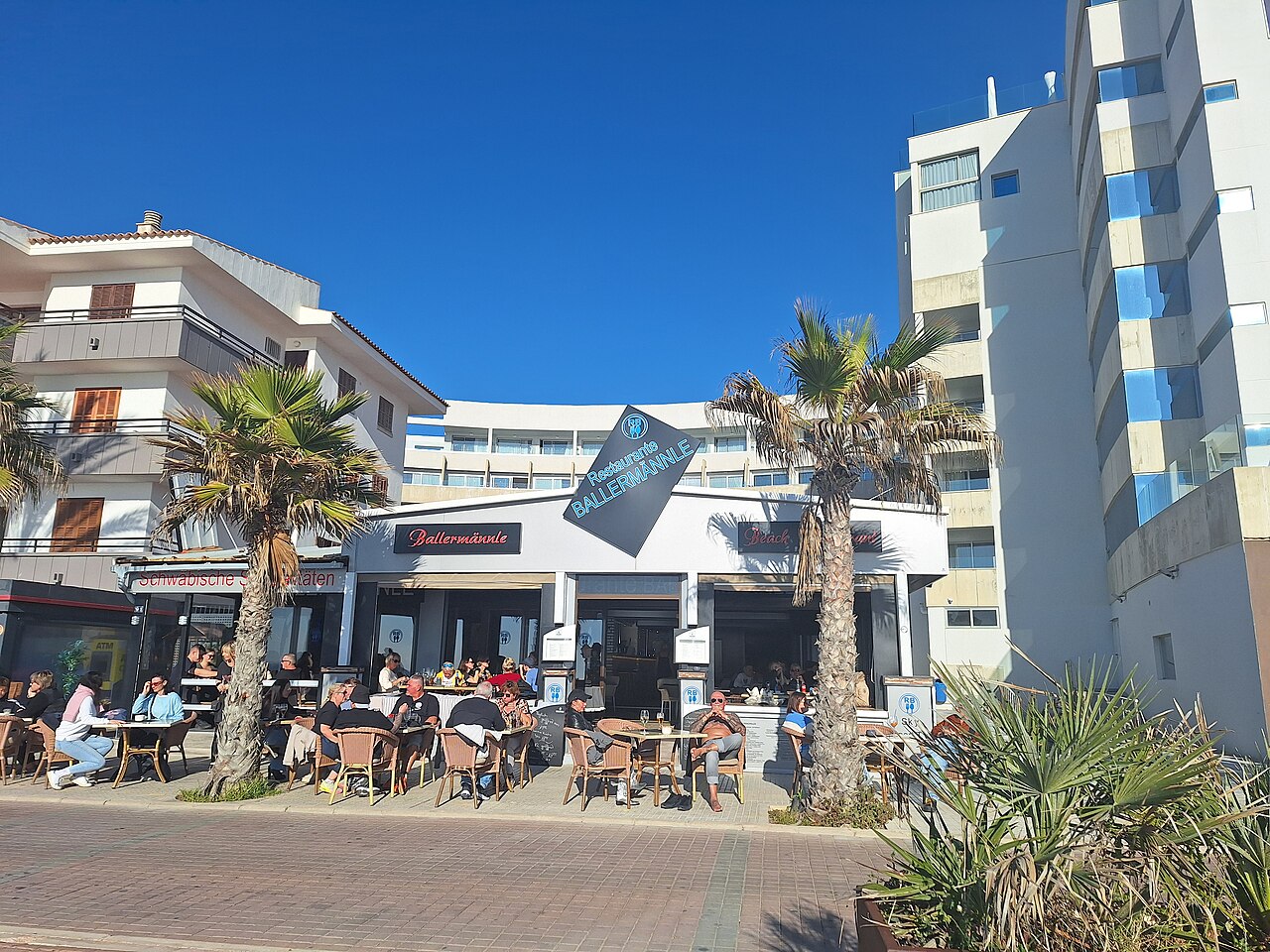
Palma has just suffered the hottest night in its recorded history, according to Spain's national weather agency AEMET, and the city's restaurant trade group wants that heat to force a rule change. Mallorca CAEB-Restauración is asking Palma's city hall to rewrite the 2018 ordinance governing what can go on a terrace, which currently bans devices that relieve high heat, such as water diffusers or misters, and limits terraces to little more than tables, chairs and parasols with no overhead elements.
Association manager Tomeu Mas says the rule needs updating for current climate conditions, for staff as well as customers, and points to Málaga, Madrid and Sevilla as cities that already allow these cooling systems on their terraces.
"Customers don't want to be on the terraces when the thermometers soar, except for smokers," Mas told the Majorca Daily Bulletin. He says diners who used to ask for a terrace table in summer are now asking to sit inside with the air conditioning instead.
Frequently asked questions
What change is Palma's restaurant association asking for?
Mallorca CAEB-Restauración wants Palma's city hall to update the 2018 public-way ordinance so terraces can use water diffusers, misters and other cooling devices, which are currently banned.
Why is this happening now?
Palma just recorded the hottest night in its history, according to Spain's weather agency AEMET, and restaurant owners say customers are steering clear of terraces during the heat.
Which cities already allow terrace cooling devices?
Association manager Tomeu Mas cites Málaga, Madrid and Sevilla as cities where these systems are already permitted on restaurant terraces.
What can Palma terraces currently include under the 2018 rule?
The ordinance limits terraces mainly to tables, chairs and parasols, bans elevated or aerial installations such as fan wiring, and requires distance from building facades.