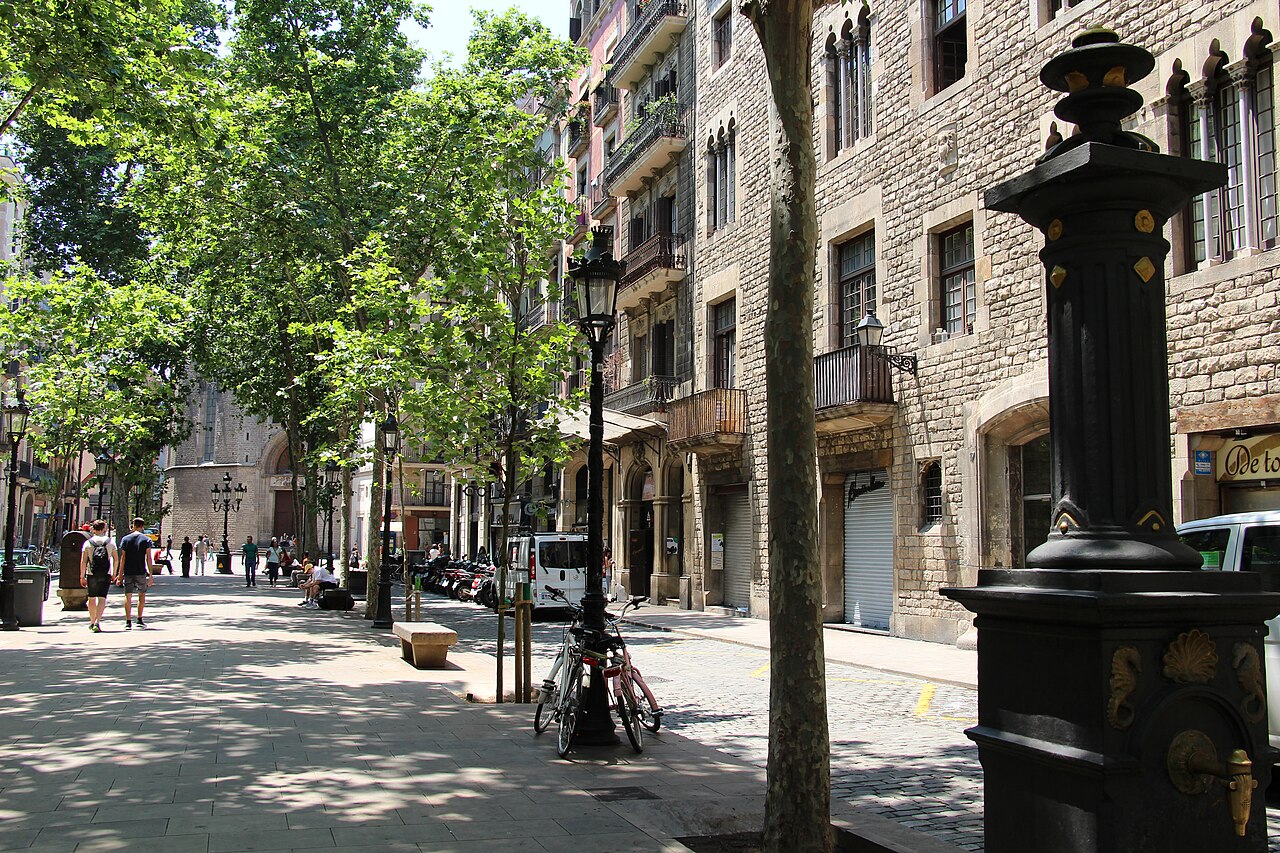
Barcelona restricts terrace hours and late-night service on the Passeig del Born
Barcelona has declared the Passeig del Born a special acoustic zone, a plan that will cut terrace hours and late-night activity at its bars and restaurants. It was approved on 8 July 2026 and takes effect around May 2027; the city's restaurant guild says it will appeal.
On 8 July 2026, Barcelona approved declaring the Passeig del Born a special acoustic zone, a ZARE, and published it in the province's official gazette (BOPB). The plan is designed to bring down noise at night, and it does so by reducing the hours of both the terraces and the activity inside the area's bars and restaurants.
The restrictions do not bite straight away. They are set to take effect around May 2027, when the plan reaches its second phase.
The city's restaurant guild is not having it. The Gremi de Restauració de Barcelona has announced it will file a contentious-administrative appeal against the regulation. Its director, Roger Pallarols, argues the hospitality sector is being made the target even though, per the guild, municipal reports trace the area's coexistence problems to street drinking and incivility rather than to the restaurants themselves.
Frequently asked questions
What did Barcelona approve for the Passeig del Born?
A special acoustic zone (ZARE) declaration, a plan that will reduce terrace hours and late-night activity at the area's bars and restaurants. It was approved on 8 July 2026 and published in the Barcelona province official gazette (BOPB).
When do the Passeig del Born restrictions take effect?
Not immediately. They are set to come into force around May 2027, when the plan reaches its second phase.
Are restaurants challenging the measure?
Yes. The Gremi de Restauració de Barcelona, the city's restaurant guild, has announced it will file a contentious-administrative appeal against the regulation.