 Photo: Al Jaima de Abou Khalil
9 Best Halal Restaurants in Barcelona
Introduction
The Barcelona Halal List We Send to Friends
Here's the halal list we send to friends visiting Barcelona who want to eat well without second-guessing the meat. The short version: halal here mostly means Lebanese, Persian, Pakistani, Turkish, Moroccan and Malaysian kitchens, and the good ones are spread right across the city. Abou Khalil does the full Lebanese mezze spread in the Eixample, and Rincon Persa runs proper Persian kebabs and stews. A note on trust before you read: halal claims matter, so we split the list by how the food is actually described. Most venues here state their meat is halal. A couple offer halal food but also serve alcohol on site, which we flag. And we only call a place 'certified' when there's a certificate behind it, which is rare. When in doubt, ask the restaurant directly.
Before you order
A Guide to Halal in Barcelona
What does halal actually mean on a Barcelona menu?
Halal means food that's permissible under Islamic dietary rules. In practice, on a Barcelona menu, the part that matters most is the meat: no pork, and animals slaughtered according to halal practice. Most halal-serving restaurants in the city state this directly on their menu or signage rather than carrying a formal certificate, which is why community trust and word of mouth carry so much weight here. A few venues serve halal food but also pour alcohol on site, which moves them from strictly halal into Muslim-friendly territory. If a venue is family-run by a Muslim owner and the menu says the meat is halal, that's the common standard you'll find. For anything trust-critical, the right move is always to ask the kitchen directly.
What kinds of halal food can you find in Barcelona?
Halal dining in Barcelona is mostly shaped by the city's immigrant kitchens. Lebanese and Middle Eastern spots do mezze (small shared plates like hummus, mutabbel, falafel and warak enab) plus charcoal grills of shish tawook, kafta and kebab. Persian kitchens run chelo kebabs, polos (rice dishes layered with herbs, barberries or nuts) and slow khoresh stews. Pakistani and North Indian places lean on the tandoor for tikka and seekh kebabs alongside curries and karahis. Turkish spots do doner, Adana and Iskender. Moroccan kitchens centre on tagines and couscous. There's also a Malaysian hawker-style option and even a rare South African peri-peri chicken spot. The thread running through almost all of it is grilled and slow-cooked meat, with strong vegetarian sides built in.
Where are the halal restaurants in Barcelona?
The densest cluster is El Raval, where Pakistani and North Indian grills sit within a few streets of each other. The Eixample and neighbouring Sant Antoni hold most of the rest, including the Lebanese, Persian, Malaysian and South African kitchens. The Gotic has a Turkish option, El Born has a Levant-leaning tapas bar, and Gracia has a Palestinian-leaning spot up on Carrer de Verdi. There's no Michelin or Repsol recognition anywhere in the halal pool, so this list leans on community reputation and how clearly each kitchen states its halal status rather than on guide accolades.
How We Built This List
Years of Eating, Asking, and Going Back
We built this list around two things: how well each kitchen cooks, and how clearly it states its halal status. Halal is trust-critical, so we treated it the way we'd treat an allergen claim, and we never upgraded a venue beyond what it actually says. Most places here state their meat is halal on the menu or signage. Where a venue serves alcohol on site, we kept it on the list but labelled it Muslim-friendly rather than strictly halal and flagged it in the write-up. We only use the word 'certified' when there's a certificate behind it. Several well-known halal names didn't make the cut because we couldn't stand behind the data yet, and a couple of community favourites aren't in our coverage at all. No restaurant pays for placement, and we have no affiliate or sponsorship relationships with any venue here.
More on how we rank: our methodology and quality standards.
At a glance
The 9 Best Halal Restaurants, Compared
Quick reference table. Click any name to jump to the full review.
| # | Restaurant | Neighbourhood | Price | Distinction | Signature dish |
|---|---|---|---|---|---|
| 1 | Abou Khalil | l'Antiga Esquerra de l'Eixample | €€ | — | Mazza Carne (tasting for 2) |
| 2 | Rincón Persa | Sant Antoni | €€ | — | Chelo Kebab Soltaní |
| 3 | Ziryab Fusion Tapas Bar | El Born / La Ribera | € | — | Pita Toro (slow-cooked ox-tail pitas) |
| 4 | Bombay Spicy | El Raval | € | — | Chicken Tikka Masala |
| 5 | Mazah | la Dreta de l'Eixample | €€ | — | Hummus bel Lahme (with minced meat) |
| 6 | Restaurante Árabe Halal Marrakech | Hostafrancs | € | — | Bastela de Pollo |
| 7 | Askadinya | Vila de Gràcia | € | — | — |
| 8 | Spice BCN | Sant Antoni | € | — | Whole Chicken SA |
| 9 | Malaysian Street Delights | La Dreta de l'Eixample | €€ | — | — |
The ranking
9 Best Halal Restaurants in Barcelona
Abou Khalil


1. Abou Khalil — Full Lebanese mezze spread, meats halal
Abou Khalil is the one we send people to first for halal in Barcelona. It's a proper Lebanese kitchen in the Eixample on Carrer de Valencia, run by chef Miguel Katib, and the menu covers the whole table: cold and hot mezze, charcoal grills, rice and biryanis, and the desserts you want to finish on. The meats are halal, and there are full vegetarian and vegan sections too, so a mixed group is easy here. Order a spread and share it. The mazza carne tasting for two at 58.90 euros is the lazy-genius move, but the hummus Abou Khalil with spiced lamb, the kibbi, and the maqlubeh (upside-down rice with meat and veg) all hold their own a la carte. Spend usually lands around 25 to 50 euros a head.
 Rincón Persa


2. Rincón Persa — Persian home cooking and chelo kebabs in Sant Antoni
Rincon Persa is the Persian specialist on Carrer de Floridablanca, and it's a proper tour of Iranian home cooking rather than a kebab counter. The carta runs from starters like Kashk o Badenyun (fried eggplant with kashk, walnuts and mint oil) and Mirza Ghasemi through the polos (rice dishes) and the slow khoresh stews, Gorme Sabzi and Fesenyun with walnuts and pomegranate among them. The chelo kebabs are the anchor: the Soltani at 22.90 euros pairs a skewer of sirloin Barg with minced Kubideh over saffron rice. The stews sit around 15.50 euros and the freshly baked Persian bread is 1.50 euros. Mid-priced, generous, and the kind of place regulars keep going back to.
 Ziryab Fusion Tapas Bar


3. Ziryab Fusion Tapas Bar — Levant-leaning fusion tapas in El Born
Ziryab is the odd one out here in the best way: a small-plate fusion bar in El Born doing Mediterranean tapas with the Levant and North Africa running through it. Think harissa and tagine flavours set against Catalan wines from closer to home. It's the rare halal-adjacent spot built for grazing, so you order a few things and share across the table. The confit onion falafel is 8.40 euros, the slow-cooked oxtail pitas (Pita Toro) 14.50, the baked halloumi with minty beetroot 8.90, and the harissa bravas with vegan alioli 9.90. Heads up that Ziryab serves alcohol, including Palestinian Taybeh beers, so confirm anything you need to with the kitchen. Prices are gentle and the format is genuinely fun.
 Bombay Spicy

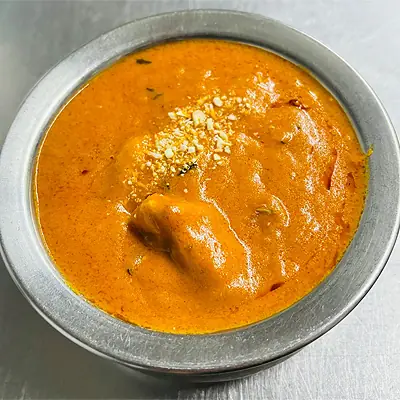
4. Bombay Spicy — North Indian off La Rambla, in El Raval
Bombay Spicy is the North Indian pick in El Raval, on Carrer de Sant Pau just off La Rambla. The cooking is the regional style built around tandoor breads, rich gravies and plenty of spice, and the menu keeps it straightforward with vegetarian options and set menus alongside the a la carte. Start with the mix pakora at 6 euros or samosa chaat at 6, then work through the tandoor: chicken tikka and tandoori chicken at 9.50, the mix tandoor platter at 16, jhinga (prawn) tandoori at 17.50. On the curry side, chicken tikka masala is 11 euros, butter chicken 10.50, and the lamb curries sit around 9.50 to 10.50. It's budget-friendly and reliable, the kind of Raval spot you end up returning to.
 Mazah
Mazah


5. Mazah — Lebanese mezze and charcoal grill in the Eixample
Mazah is the Lebanese kitchen on the Gran Via, run by Chef Amer, and it's set up exactly like a proper Lebanese table: soups, salads, a long list of cold mezze built around hummus variations, and hot mezze before you even get to the grill. The fattoush and tabbouleh are both 11.50 euros, the hummus bel lahme (with minced meat) 13.50, the mohammara 11.50, and the batata harra 6.50. Mains centre on shish tawook, kebab halabi and lamb, served with rice and house sauces, and there's a weekday lunch menu at 19.90 euros if you want the quick version. Finish on konafa or baklava. During Ramadan they run dedicated iftar and suhur menus, which is a nice tell about who eats here.
 Restaurante Árabe Halal Marrakech


6. Restaurante Árabe Halal Marrakech — Moroccan tagines and couscous, served halal
Arabe Halal Marrakech is the Moroccan option, over in Hostafrancs on Carrer de Bejar, and the meat follows halal rules. Moroccan cooking leans on slow-cooked tagines, couscous and aromatic spice blends, and there are vegetarian dishes here alongside the meat. Start with the brewat (filo parcels) or one of the hummus variations around 7.50 euros, or the bastela de pollo at 13.80. The tagines are the heart of it, beef tagine from 8.50 euros, lamb tagine halal at 9.90, and there's halal entrecote at 19.50 if you want to go bigger. It's an honest neighbourhood Moroccan kitchen rather than a tourist tagine spot, and the pricing reflects that.
 Askadinya


7. Askadinya — Palestinian and Middle Eastern mezze in Gracia
Askadinya is the Palestinian-leaning Middle Eastern spot up in Vila de Gracia, on Carrer de Verdi, and it works in the meze register: small shared plates you build a table around, grilled meats off the fire, and pastries to finish. There are plenty of vegetarian options too, which fits a cuisine where vegetable, pulse and grain dishes carry a lot of the spread. It's a neighbourhood restaurant rather than a destination, which is the appeal: you come for the mezze, stay for the grills, and it sits in one of the nicer eating corners of Gracia. A distinct neighbourhood option away from the Raval and Eixample clusters.
 Spice BCN
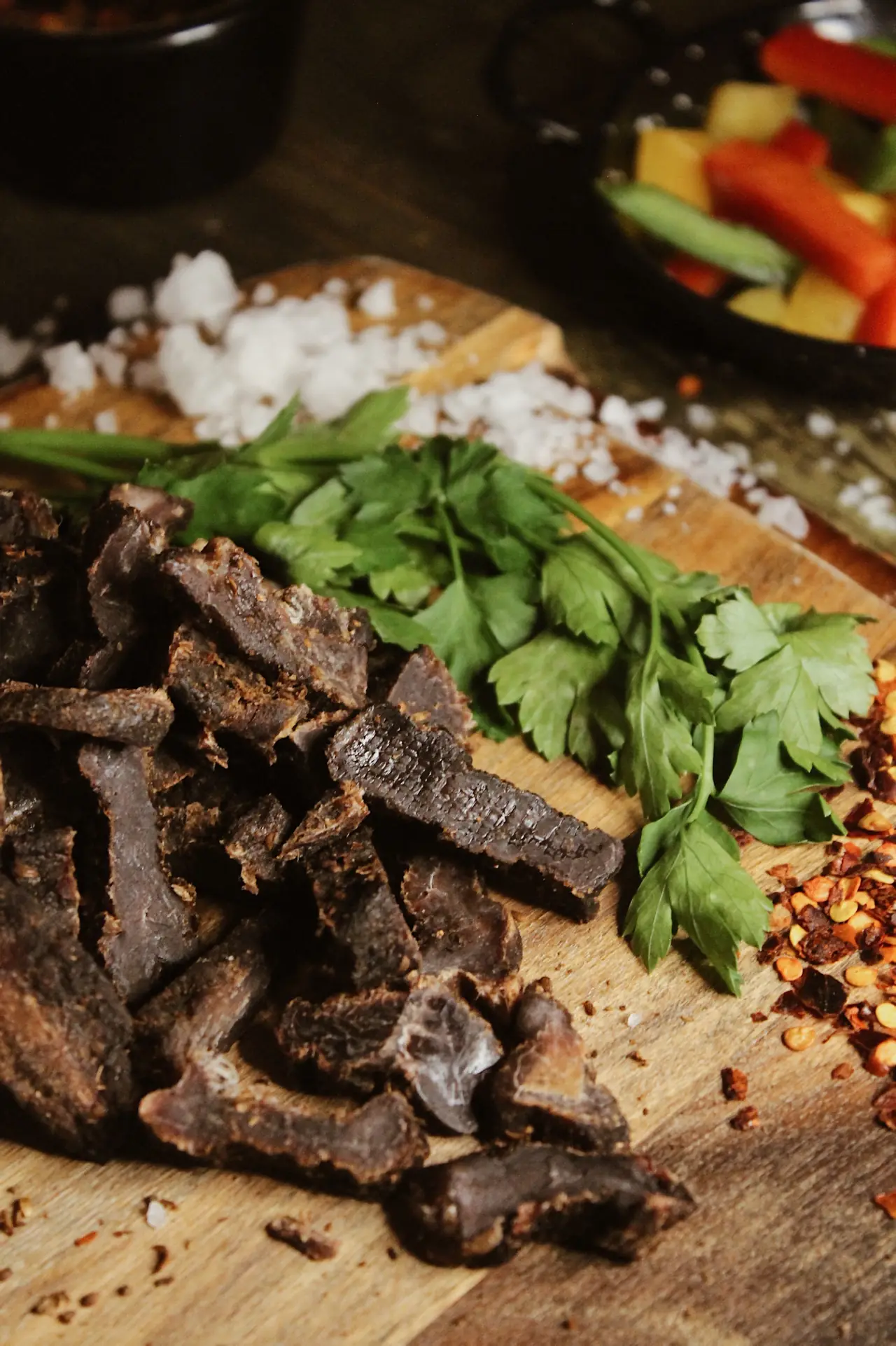
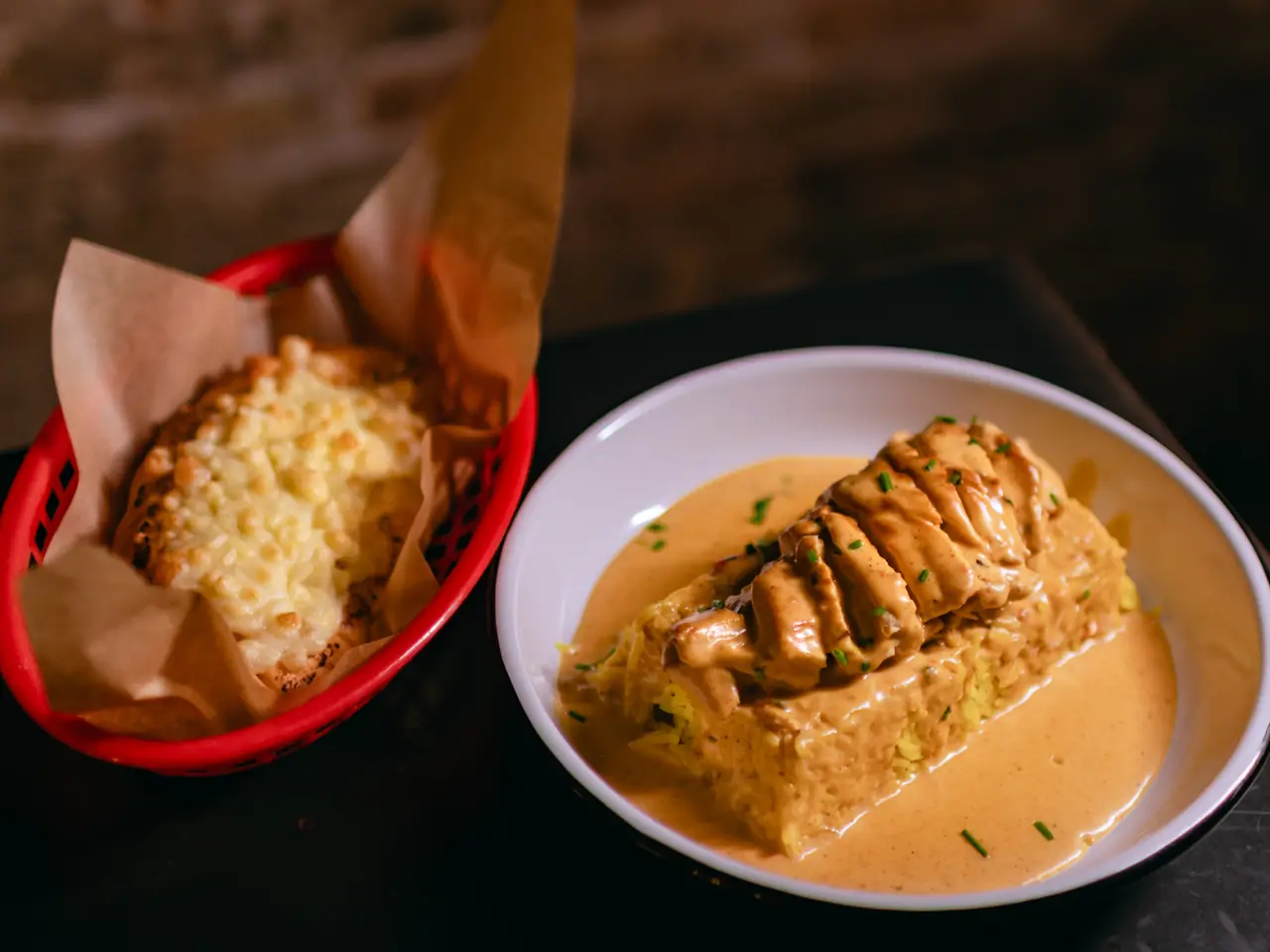
8. Spice BCN — South African halal chicken in Sant Antoni
Spice BCN is the unusual one: South African food, on the Paral-lel in Sant Antoni, built around flame-grilled and peri-peri chicken. South African cooking pulls from Cape Malay spicing, braai-style grilling and Indian, Dutch and indigenous traditions, and the menu here covers lunch and dinner with dessert to finish. A whole chicken is 15.90 euros, half is 9.50, and there are peri peri versions, wings, wraps and burgers across the board. Sides go full South African too: pap and chakalaka, biltong, Mrs Balls sauce. Finish on malva pudding. It's a fun, casual change of pace from the kebab-and-curry default, and a genuinely rare cuisine in the city.
 Malaysian Street Delights

9. Malaysian Street Delights — Malaysian hawker-style sharing plates (alcohol present)
Malaysian Street Delights is the Southeast Asian pick, on Carrer del Rossello in the Eixample, doing Malaysian street food in a format built for sharing. Malaysian cooking is one of the great crossroads cuisines, pulling Malay, Chinese and Indian cooking onto a single table, all coconut, chilli and lemongrass across a lot of layered, hawker-style dishes. It's the most highly rated kitchen in this whole pool, so the cooking clearly lands. One thing to flag up front: alcohol is present on the premises, which is why we'd file it as a Muslim-friendly option rather than a strictly halal one. If that matters to you, ask about the specific dishes. If it doesn't, it's a great table to share with a group.
The bigger picture
The Halal Scene in Barcelona
Barcelona's halal scene is built around its immigrant kitchens rather than its tourist restaurants. The biggest clusters are in El Raval, where Pakistani and North Indian grills sit a few doors apart, and across the Eixample and Sant Antoni, where Lebanese, Persian, Malaysian and South African kitchens have settled. Most of these are family-run, mid-priced and meat-forward, with kebabs, mezze, tagines, curries and slow-cooked stews doing the heavy lifting. There's no Michelin or Repsol recognition in the halal pool, so the list leans on community reputation and how clearly each kitchen states its halal status.
Questions
Frequently Asked Questions
All restaurants on this list were independently verified as open and serving the dishes described as of .
What are the best halal restaurants in Barcelona?
+
Standout halal restaurants in Barcelona include Abou Khalil (Lebanese, Eixample), Rincon Persa (Persian) and Arabe Halal Marrakech (Moroccan). Most state their meat is halal.
Where can I eat halal food in El Raval, Barcelona?
+
El Raval is the densest halal area in Barcelona, with Pakistani and North Indian grills within a few streets of each other. Bombay Spicy on Carrer de Sant Pau, just off La Rambla, does North Indian tandoor and curries.
Which Barcelona restaurants serve halal Lebanese food?
+
For halal Lebanese food in Barcelona, Abou Khalil on Carrer de Valencia in the Eixample serves the full mezze-to-grill spread with halal meats, and Mazah on the Gran Via, run by Chef Amer, does a traditional Lebanese mezze table and charcoal grill.
Where can I find halal Persian or Iranian food in Barcelona?
+
Rincon Persa on Carrer de Floridablanca in Sant Antoni is the Persian halal kitchen in Barcelona, running chelo kebabs, polos (rice dishes) and slow khoresh stews.
Are there halal restaurants in Barcelona that serve alcohol?
+
Yes. Some halal-leaning venues serve alcohol on site, which makes them Muslim-friendly rather than strictly halal. Malaysian Street Delights and Ziryab both serve alcohol, so if that matters to you, ask the kitchen about specific dishes before ordering.
How much does a halal meal cost in Barcelona?
+
Most halal restaurants in Barcelona are mid-priced. Pakistani and Indian spots like Bombay Spicy run budget-friendly, with curries around 8 to 12 euros. Lebanese and Persian kitchens like Abou Khalil land around 25 to 50 euros a head when you share a spread.
What types of halal cuisine can you find in Barcelona?
+
Halal dining in Barcelona is mostly Lebanese, Persian, Pakistani, North Indian, Turkish, Moroccan and Malaysian, plus a rare South African option at Spice BCN. The cooking is meat-forward, built around kebabs, mezze, tagines, curries and slow-cooked stews.
Is halal meat certified at Barcelona restaurants?
+
Certification is rare in Barcelona's halal scene. Most venues state their meat is halal without naming a certifying body. For anything trust-critical, confirm the halal status directly with the restaurant.
Explore
Map

About the author
Justin Mota
Guidavera founder
Justin Mota is the founder of Guidavera. He has lived in Spain for over 10 years and runs a native AI agency alongside building this platform. Food has always been the way Justin connects with friends, and Guidavera started as the list he kept sending to everyone visiting Barcelona. He built it for himself and his friends first, and now hopes it can transform the way people discover great food experiences everywhere.
More about Justin→